 Proud member of the Federation of Damp


Does Home Insurance Cover Basement Waterproofing?
Key Takeaways:
- Not Universal Coverage: Not all insurance policies automatically cover basement leaks. Coverage varies among providers, and approximately 20% of water damage insurance claims get rejected. It’s essential to understand your specific policy’s terms regarding basement waterproofing.
- Consider Additional Coverage: Basement leaks might require additional coverage, such as flood insurance, depending on your insurance provider. Understanding the exclusions and limitations of your policy is crucial to determining the need for additional endorsements.
- Preventive Measures Matter: Home maintenance is critical to prevent claims from being rejected. Regular inspections, understanding your responsibilities outlined in the insurance policy, and proactively addressing potential issues can significantly reduce the likelihood of basement leaks and improve the success of insurance claims.
Those who own a property with a basement might assume that policies taken with an insurance company might automatically cover basement waterproofing. However, this is not always the case, and about 20% of all water damage insurance claims are rejected.
In this article, we will look at what is offered by insurance providers, and what you can do to minimise basement leaks.
Key Takeaways:
- Not all insurance policies cover a basement leak.
- You can get additional flood insurance policies to cover basement waterproofing.
- There are numerous ways to prevent a burst pipe or heavy rains from causing damage to the home.
- Prevention is key to protecting your home from flood damage.
Is Basement Waterproofing Covered By Insurance?
Every insurance policy is different. One insurance company might automatically cover the damage caused by a basement leak, whereas another company might not have basement leaks covered by default and they require additional coverage, such as flood insurance.

Therefore, if you have a basement, it is important to check with your insurer whether or not the insurance policy covers this damage and what can be covered by a claim. For example, some insurance policies might cover damage caused by broken pipes or large appliance malfunctions. However, they might not cover aspects such as a leaky basement when it rains or burst pipes if the heating hasn’t been kept on.
If the insurance providers discover that any water damage has been caused because of a lack of maintenance, then they might also reject any insurance claim made. Therefore, ensure you’ve read and understand your homeowner’s insurance.
How to Prevent Claims From Being Rejected
There are numerous ways that you can ensure that you can make a successful claim if there are basement leaks in your property.
Home Maintenance
Prevention is always better than cure, and that applies to basement waterproofing as it is to any other part of your home. Home insurance providers are less likely to accept a claim if your home is not kept in good order.
However, knowing what home maintenance issue there might be with your home can be challenging. Therefore, it is important to have regular foundation inspections and other checks on the property and appliances to see what issues there might be.
During an inspection, numerous elements might be assessed. This can include the floor drains, and whether they allow for a proper flow of water. They might also find damage to the walls that might allow basement leaks to occur.
Once the report has been created, the surveyors will provide a list of how to prevent a flooded basement. These actions should be taken as soon as possible. The basement waterproofing cost will be much cheaper before a leak happens than afterwards.
Understand Responsibilities
Insurance providers will put certain aspects in place on their home insurance policies. These elements might include what activities must be done for you to be covered by insurance. Reading your responsibilities and ensuring that you complete these tasks is important.
For instance, for any basement leaks to be covered, you might need to complete regular inspections of the property.
Alternatively, you might need to have appliances that use water to be regularly inspected. Your homeowner’s insurance should list the expectations of the homeowner.
You will also have expectations set by any mortgage company you’re with.
Always keep a copy of your documents in a safe place.

Know What is Covered By Your Insurance Policy
Before you make any insurance claim, you need to ensure that you know what is covered by insurance policies on your home. Every home insurance policy is different. Some policies might cover damage caused by leaking pipes, whereas some damage might only be covered by water damage to a certain height in the home.
Understanding what is covered by your home insurance and what repairs will be covered can help homeowners determine if they need to add endorsements to the policies. Any additional endorsements will mean that the policyholder will need to pay more, but in the long run, it can save money should leaks happen in the home.
Understand the Claim Process
Understanding the claim process can help improve the speed at which you can receive a payout and reduce the chance that a claim will be rejected.
Providers all have their systems. Normally they start with a loss adjuster, but who carries out the repairs and how long it takes can vary between companies. You might get the choice of who carries out the repairs or even choose new decorations/etc. These details will be inside your policy documents.

Final Word: Are Your Basement Leaks Covered By Insurance?
Home insurance can be confusing for many. Sometimes what coverage we think we have is not there. Therefore, it is important to understand the policy, the exemptions, and responsibilities to ensure that any basement water damage can be repaired should it happen. But prevention is always better than cure, and having regular inspections of the waterproofing on your home can help you reduce the need to rely on your insurance company.
Frequently asked questions
Does home insurance pay for basement waterproofing?
Standard home insurance usually does not cover waterproofing because gradual water ingress is treated as maintenance. A sudden event such as a burst pipe or flood may be covered, so check your policy.
Is an insurance backed guarantee available for waterproofing?
Yes, an insurance backed guarantee through Quality Mark Protection is available on request for qualifying installations, alongside our own written guarantee.
Will waterproofing affect my home insurance?
A professionally installed system with a guarantee can help when you sell or remortgage, as it shows the basement has been protected properly.
Reviewed by Michael Young, Head Contractor at Advanced Damp (CSSW and FODCS). Last reviewed November 2026.
Related Case Studies
Our recent work includes below ground room, Tring HP23; cellar, Berkhamsted HP4 and lower ground stairwell, Islington N1. Each case study sets out what the survey found and how the problem was fixed.
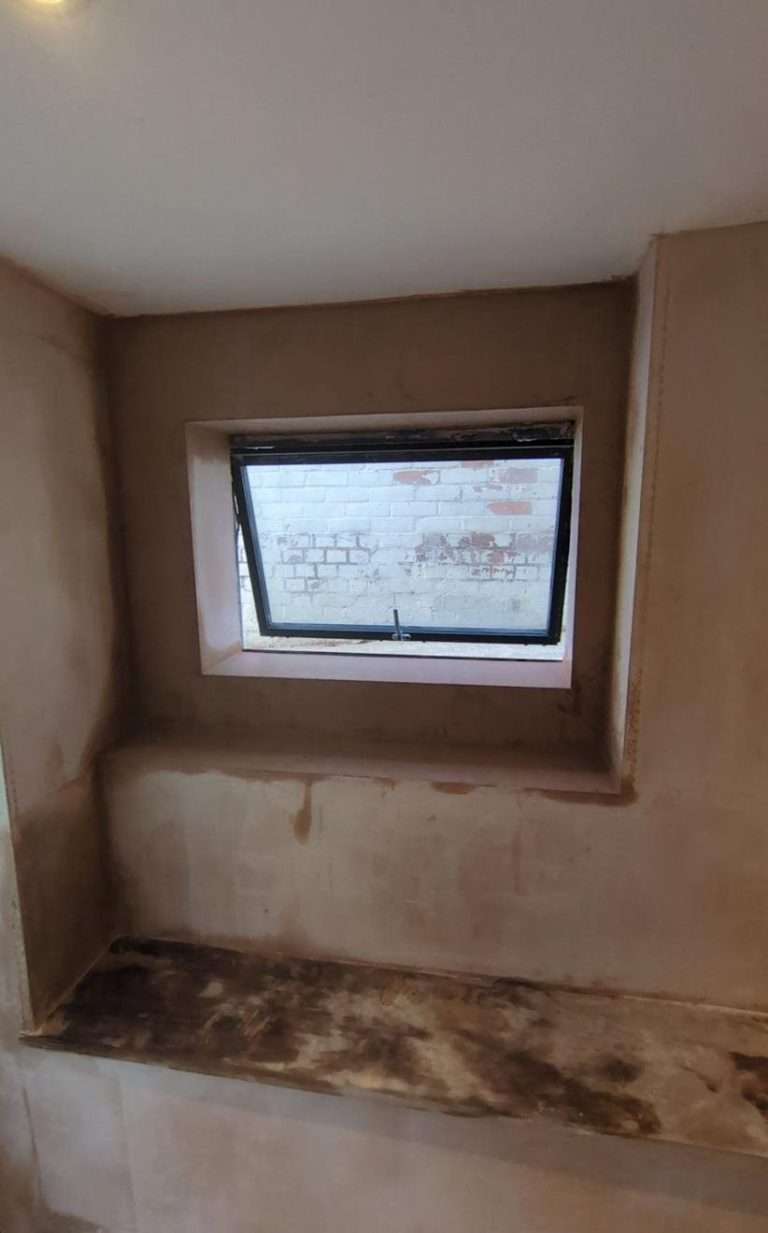
Below ground room, Tring HP23
Cavity drain membrane, floor channel and a dual sump pump with alarm, finished in plasterboard and skim.
Read the case study →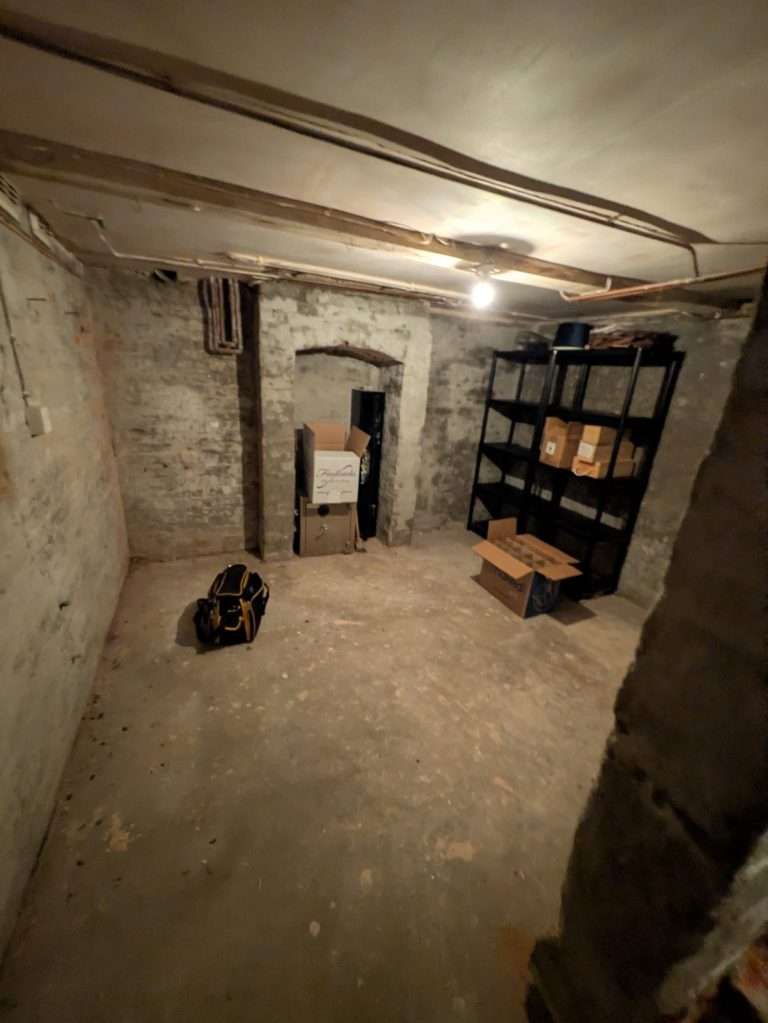
Cellar, Berkhamsted HP4
Failed cellar tanking and a decayed lintel at 40% WME. Type C waterproofing, sump pump and ventilation.
Read the case study →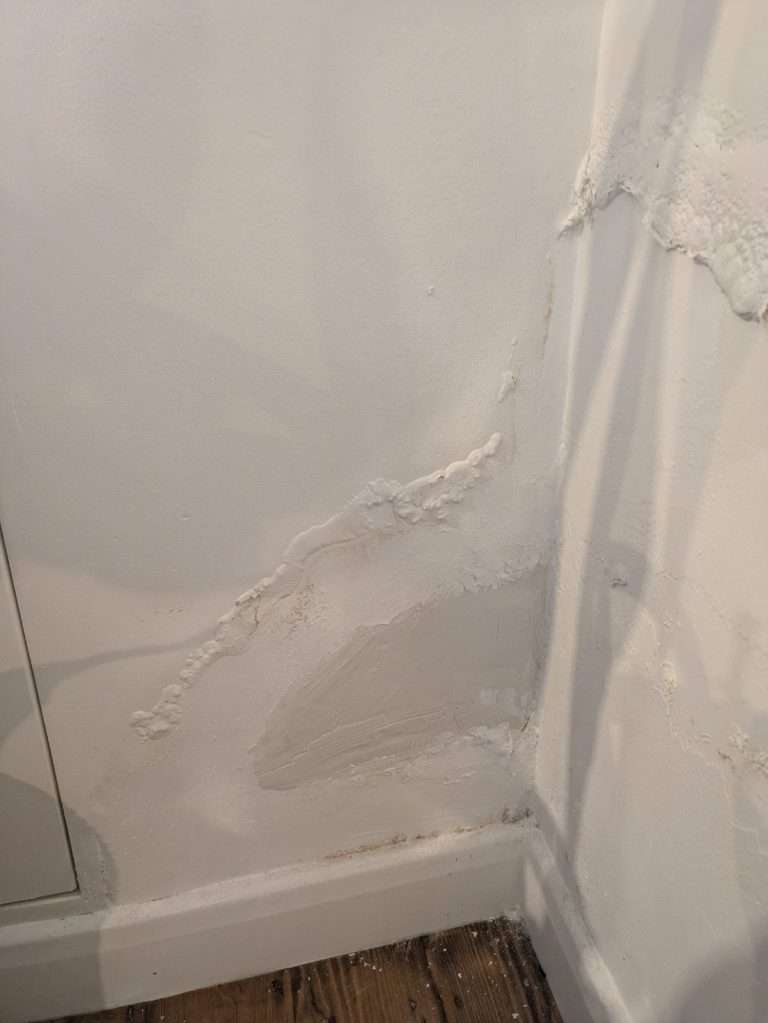
Lower ground stairwell, Islington N1
A new damp patch linked to high ground and poor rear drainage. Localised membrane repair to the marked areas.
Read the case study →
Sam Fitzgerald is the founder of Advanced Damp and a working damp and structural waterproofing surveyor diagnosing and treating moisture problems in residential and commercial properties across London and the South East. He is FODCS certified (a Federation of Damp Certified Surveyor) and a member of the Federation of Damp. His hands-on work covers rising damp, penetrating damp, condensation, basement waterproofing to BS 8102, and thermal imaging surveys, and he has personally completed over 400 damp surveys across properties of every type and age. Everything he writes draws directly from jobs he has carried out. He does not write about treatments, products or causes he has not dealt with first-hand in the field.