 Proud member of the Federation of Damp

Basement Waterproofing Cost UK: 2026 Prices by System and Property
Updated 5 November 2026. Reviewed by Michael Young, Head Contractor at Advanced Damp (CSSW and FODCS).
Key Takeaways
- Most basement waterproofing projects in the UK fall between £5,000 and £20,000, with larger or more complex London basements going well above that.
- Cavity drain membrane systems (Type C) are the most common choice for existing basements and typically run at £80 to £150 per m² installed.
- Cementitious tanking (Type B) is cheaper per m², but it holds water back rather than managing it, so preparation and the right specification matter more.
- External waterproofing (Type A) is the most expensive option because of excavation, and is mostly used on new builds and extensions.
- The system should follow a design to BS 8102:2022, based on how wet the ground is and how the space will be used. That design, not the per m² price, is what decides the final cost.
What decides the cost of basement waterproofing
Two basements of the same size can cost very different amounts to waterproof. The price is driven by a handful of factors that a designer will look at before anything is quoted.
- How the space will be used. A habitable bedroom or living room needs a Grade 3 environment under BS 8102:2022, which means no water penetration and controlled humidity. A store room can accept a lower grade.
- How wet the ground is. A basement with an occasional damp patch is very different from one with running water after heavy rain or a high water table.
- The size and shape of the space. Wall and floor area sets the material quantity, but awkward shapes, chimney breasts, vaults and stairwells all add labour.
- Drainage and pumping. Most Type C systems need a perimeter channel and a sump pump. Where water cannot drain away by gravity, a pump, battery backup and alarm add to the cost.
- Access and preparation. Removing old plaster, failed tanking, timber and services takes time, and restricted access in terraced streets slows the work.
- Finishes. The waterproofing is one stage. Insulation, boarding, plastering and flooring on top are usually priced separately.
Basement waterproofing cost by system type
These are typical installed ranges for 2026. London prices are higher because of access, parking, waste removal and the age of most of the housing stock.
| System | BS 8102 grade | Cost per m² (UK) | Cost per m² (London) | Typical London project |
|---|---|---|---|---|
| Cavity drain membrane (Type C) | Grade 3 | £80 to £120 | £100 to £150 | £7,000 to £18,000 |
| Cementitious tanking (Type B) | Grade 1 to 2 | £40 to £80 | £60 to £100 | £4,000 to £12,000 |
| External waterproofing (Type A) | Grade 1 to 3 | £150 to £300 | £200 to £400+ | £15,000 to £40,000+ |
| Combined Type A and Type C | Grade 3 | £180 to £350 | £220 to £400 | £18,000 to £45,000+ |
| Basement floor only | Grade 1 to 2 | £50 to £90 | £65 to £110 | £2,500 to £6,000 |
| Sump pump installation (add on) | n/a | £800 to £1,500 | £1,000 to £2,000 | Per unit |
Cavity drain membrane (Type C) costs
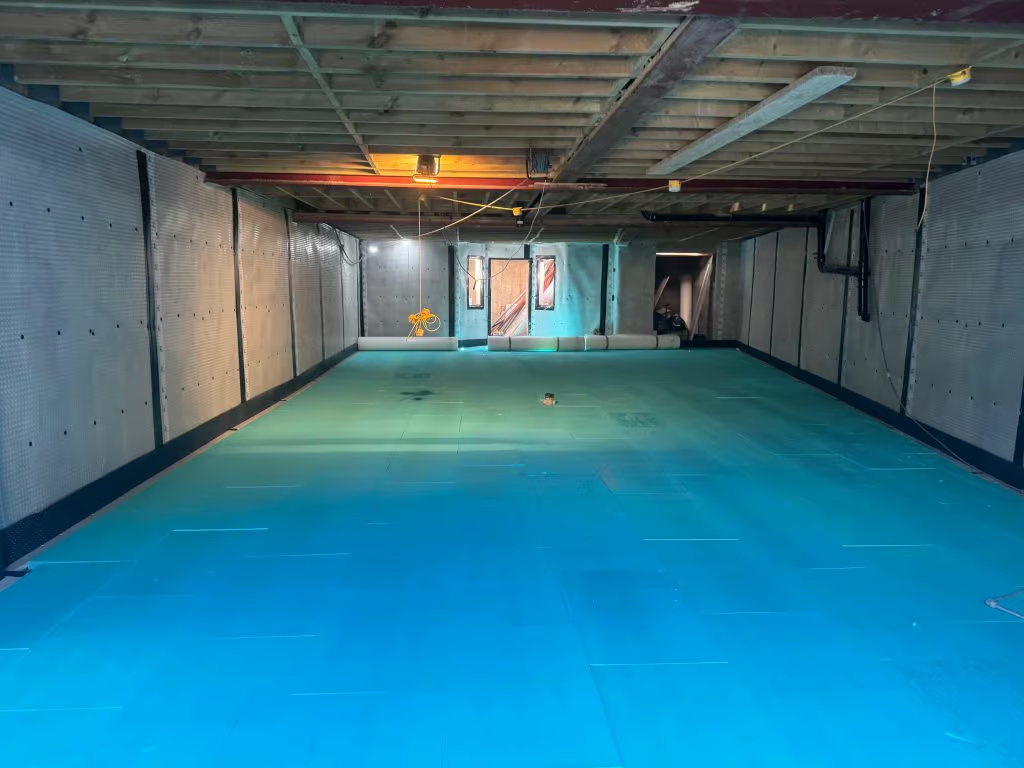
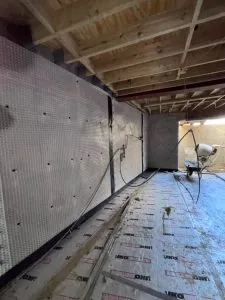
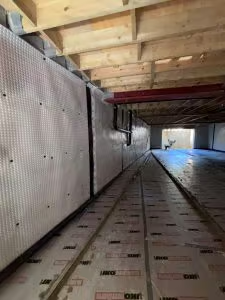
A cavity drain membrane is a studded plastic sheet fixed to the walls and laid over the floor. It does not try to stop water at the masonry. Instead, any water that gets through the wall runs down behind the membrane into a drainage channel and away to a sump, where a pump discharges it. Because it manages water rather than resisting it, it copes well with the movement and variable conditions you find in older brick basements.
A typical breakdown for a single room basement of around 30 m² of wall and floor in London looks like this:
- Wall and floor membrane: £3,000 to £4,500
- Perimeter drainage channel: £1,200 to £1,800
- Sump chamber and pump installation: £1,200 to £2,000
- Battery backup system: £400 to £800
- High level alarm: £150 to £250
- Preparation, making good and final finish: £1,500 to £3,000
That puts a typical total at £7,500 to £12,500 before VAT and before any separate plastering or decorating. Pumped systems need servicing, usually once a year, so allow for that in running costs.
Basement tanking (Type B) costs
Basement tanking uses cementitious slurry or render applied directly to the prepared masonry to hold water back. It is cheaper per m² than a membrane and works well where the structure is sound and the water pressure is low. The risk is that tanking is a barrier: if the structure moves or cracks, or the surface was not prepared properly, water finds a way through and the failed area usually has to be stripped back and redone. That is why surface preparation, salt treatment and the junction between wall and floor are where most of the labour goes.
External waterproofing (Type A) costs
External waterproofing means digging down the outside of the basement wall and applying a membrane or coating to the face that is in contact with the soil, then fitting drainage board and backfilling. It is very effective, but in most existing London homes the excavation alone rules it out on cost. For a typical London terrace the stages break down roughly as follows:
- Excavation, often by hand with restricted access: £5,000 to £15,000+ depending on depth and perimeter
- External membrane application: £3,000 to £8,000
- External drainage board and filter membrane: £1,500 to £3,000
- Backfill and reinstatement: £1,500 to £4,000
A typical total of £15,000 to £40,000+ is why Type A is mainly used on new basements and extensions, often combined with an internal Type C system for a belt and braces Grade 3 space.
Typical costs by property type
| Property | Typical system | Typical cost (London) |
|---|---|---|
| Victorian terrace, brick cellar | Type C cavity drain | £8,000 to £14,000 |
| Edwardian townhouse, lower ground floor | Type C with tanking to some areas | £10,000 to £18,000 |
| 1960s to 1980s concrete basement | Type B tanking or Type C | £5,000 to £10,000 |
| New basement construction | Type A and Type C combined | £15,000 to £35,000 |
| Basement flat, single room | Type C cavity drain | £5,000 to £9,000 |
| Large detached house, full basement | Type C with dual pumps | £15,000 to £25,000+ |
Every basement is different, so treat these as a guide to the likely range rather than a price for your property.
Why London basements usually cost more
London basements are mostly Victorian and Edwardian cellars and lower ground floors built in solid brick with no waterproofing at all. Many sit close to neighbouring properties, which limits any external work, and many are in areas where the water table rises in wet weather. Add parking restrictions, waste removal and the need to work around party walls, and the same system usually costs more than it would in a detached house outside the capital. You can see examples of the conditions we find in our basement waterproofing work in London.
What a good quote should include
A basement waterproofing quote should tell you exactly what is being installed and why. Look for:
- The BS 8102 grade the system is designed to achieve, and the intended use of the room
- The system type, the products to be used and where each one goes
- How water will be drained or pumped away, including any backup and alarm
- What preparation is included, such as removing old plaster or failed tanking
- What is excluded, such as insulation, boarding, plastering, electrics and flooring
- A long-term written guarantee, and who stands behind it
- Any servicing needed for pumps and drainage, and how often
If a quote is a single line price with no specification, ask for the detail before you agree to anything.
Specialist or general builder?
Waterproofing a basement is a design job as much as an installation job. A specialist will assess the ground conditions, specify a system to BS 8102:2022 and install it with the detailing that makes it work: sealed junctions, drainage falls, inspection ports and a correctly sized sump. A general builder may be fine for the finishing trades on top, but problems with basements usually come from the waterproofing detail. Look for surveyors with the CSSW qualification (Certificated Surveyor in Structural Waterproofing), and installers who back the work with a long-term written guarantee.
When to book a waterproofing survey
Book a survey before you commit to a conversion, if water is coming in after rain, if an existing system is failing, or if you have quotes that recommend very different systems. A waterproofing survey looks at how wet the structure is, where water is getting in and how the space will be used, and sets out a design that gives you a like for like basis for comparing prices.
Frequently asked questions
How much does basement waterproofing cost in the UK?
Most projects fall between £5,000 and £20,000. Cavity drain membrane systems typically cost £80 to £150 per m² installed, tanking £40 to £100 per m², and external waterproofing more because of excavation. London projects usually sit towards the top of each range.
How much does it cost to waterproof a basement in a London terrace?
For a typical Victorian terrace cellar using a cavity drain membrane, expect around £8,000 to £14,000. The final figure depends on the wall and floor area, how wet the basement is and whether a sump pump is needed.
Is a cavity drain membrane better than tanking for an old basement?
In most older brick basements a cavity drain membrane is the safer choice, because it manages water rather than trying to hold it back and copes with movement in the structure. Tanking can work well on sound, low risk structures where the surface can be prepared properly.
Do I need a sump pump?
If water collected behind a membrane cannot drain away by gravity, it has to be pumped out. Most cellars below ground level need a sump and pump, ideally with a battery backup and a high level alarm.
Is plastering included in the price of basement waterproofing?
Usually not. The waterproofing system is one stage, and insulation, boarding, plastering and decorating on top are normally quoted separately. Check what is included before comparing quotes.
Does basement waterproofing need maintenance?
Membrane systems with drainage and pumps need servicing, usually once a year, to keep channels clear and check the pump and alarm. Tanking needs no routine servicing but should be inspected if any cracks or damp patches appear.
Reviewed by Michael Young, Head Contractor at Advanced Damp (CSSW and FODCS). Last reviewed November 2026.
Related Case Studies
Our recent work includes below ground room, Tring HP23; cellar, Berkhamsted HP4 and lower ground stairwell, Islington N1. Each case study sets out what the survey found and how the problem was fixed.
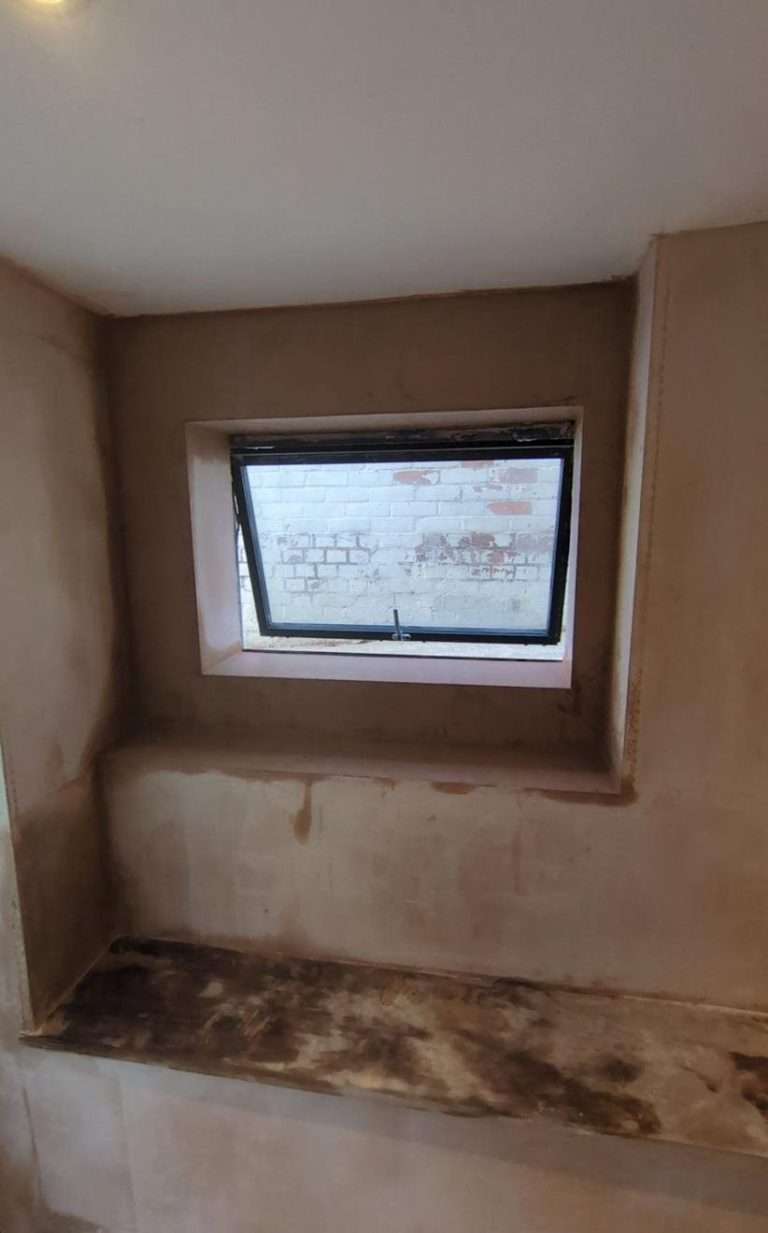
Below ground room, Tring HP23
Cavity drain membrane, floor channel and a dual sump pump with alarm, finished in plasterboard and skim.
Read the case study →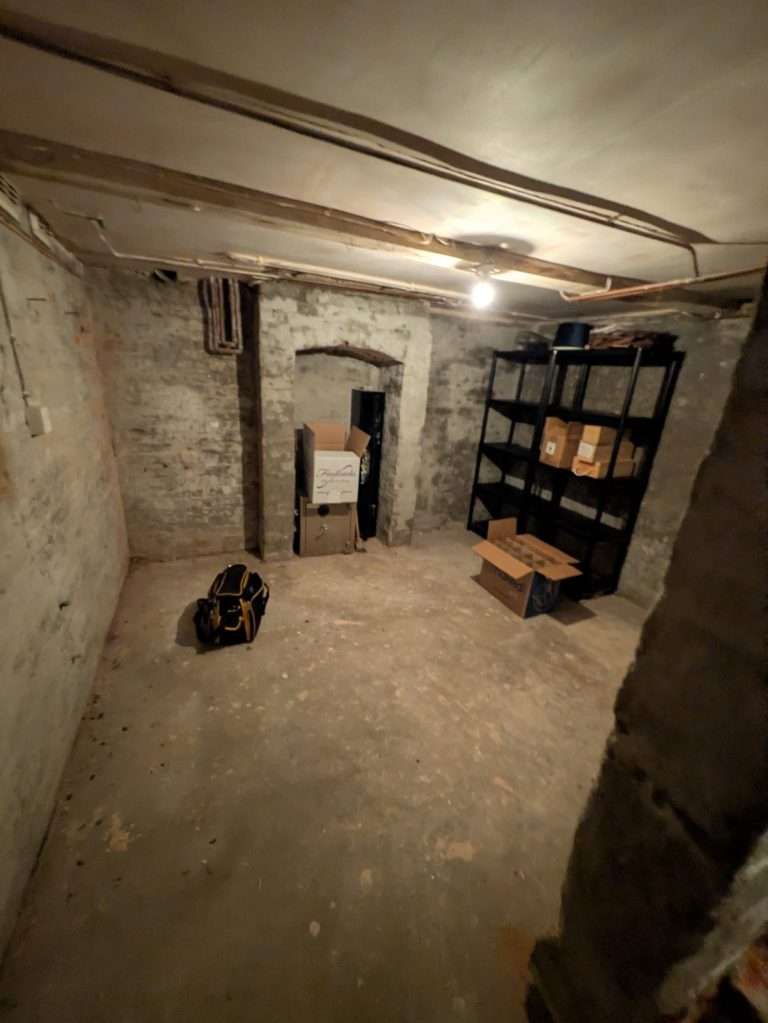
Cellar, Berkhamsted HP4
Failed cellar tanking and a decayed lintel at 40% WME. Type C waterproofing, sump pump and ventilation.
Read the case study →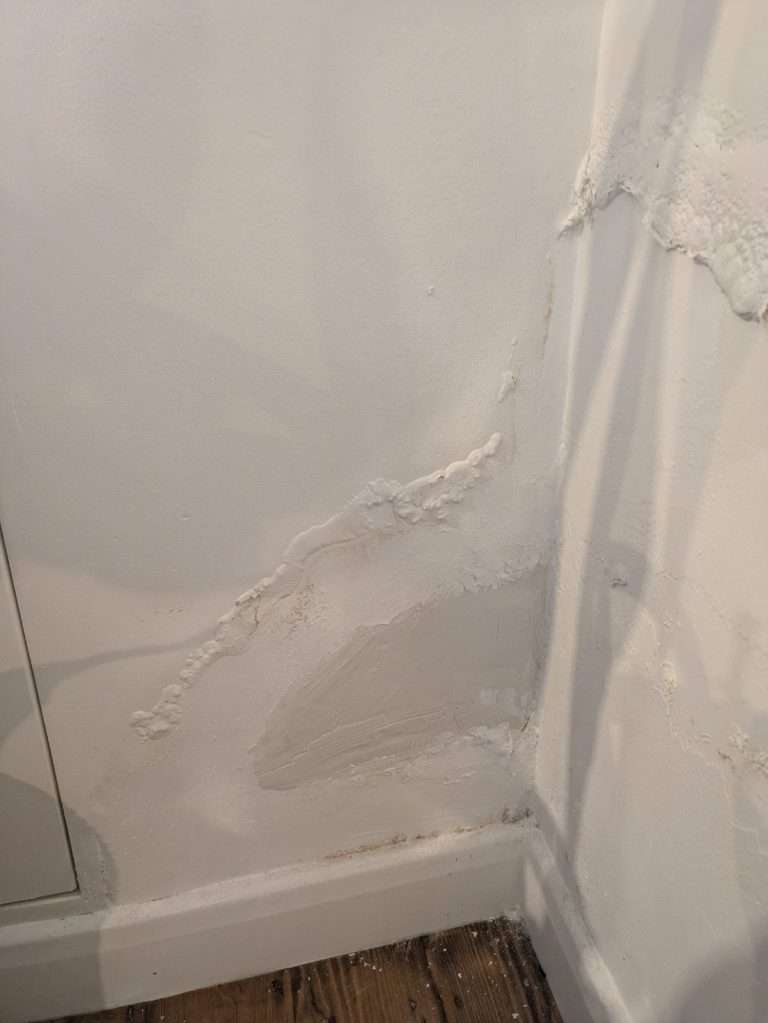
Lower ground stairwell, Islington N1
A new damp patch linked to high ground and poor rear drainage. Localised membrane repair to the marked areas.
Read the case study →
Sam Fitzgerald is the founder of Advanced Damp and a working damp and structural waterproofing surveyor diagnosing and treating moisture problems in residential and commercial properties across London and the South East. He is FODCS certified (a Federation of Damp Certified Surveyor) and a member of the Federation of Damp. His hands-on work covers rising damp, penetrating damp, condensation, basement waterproofing to BS 8102, and thermal imaging surveys, and he has personally completed over 400 damp surveys across properties of every type and age. Everything he writes draws directly from jobs he has carried out. He does not write about treatments, products or causes he has not dealt with first-hand in the field.