 Proud member of the Federation of Damp

Wet Rot vs Dry Rot: How to Tell the Difference
Published 4 November 2026. Reviewed by Michael Young, Head Contractor at Advanced Damp (CSSW and FODCS).
Key Takeaways
- Both wet rot and dry rot are fungal decay caused by timber staying damp. Neither happens in dry timber.
- Wet rot stays where the wood is wet. Dry rot can spread beyond the damp area, including through masonry, which makes it more serious.
- The signs differ: dry rot produces white cotton wool growth, grey strands and rusty red spore dust. Wet rot usually leaves dark, soft, spongy timber in one localised area.
- Both start with fixing the moisture source. Dry rot usually needs more extensive opening up and treatment.
Finding rotten timber in a floor, skirting board or window frame is worrying, and the first question is usually whether it is wet rot or dry rot. The answer matters, because the two behave very differently and the repair is not the same. This guide explains how to tell them apart, what causes each, and what needs to happen next.
What Is Timber Rot?
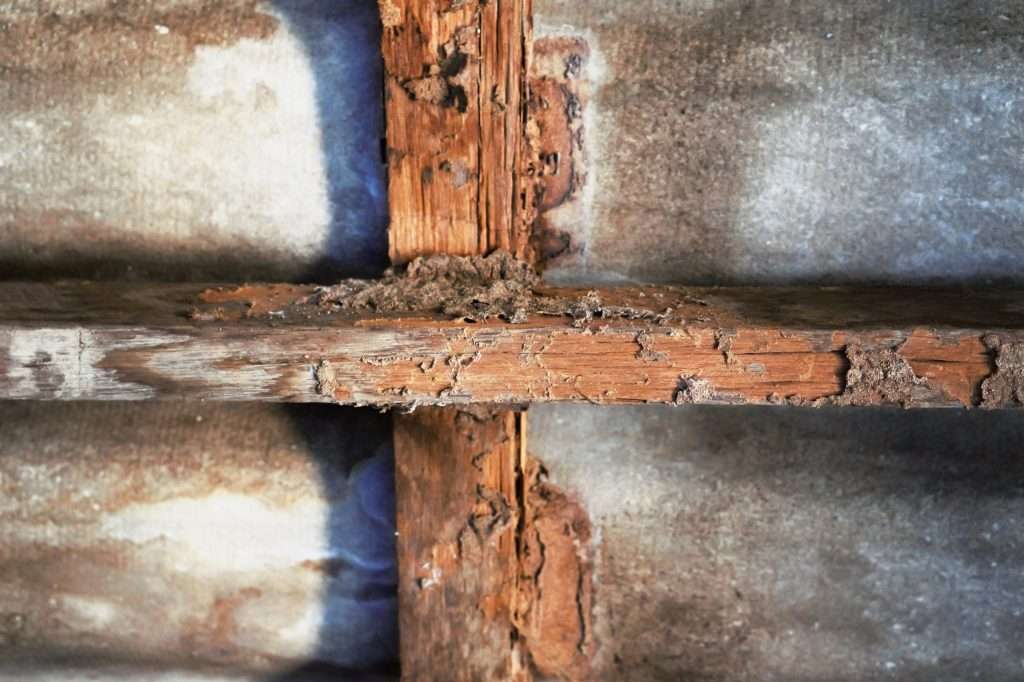
Rot is decay caused by wood destroying fungi. Fungal spores are present in the air almost everywhere, but they only grow when timber stays damp for long enough. Dry, well ventilated timber does not rot. That is why every rot problem is really a moisture problem first, whether that comes from a leak, rising damp, penetrating damp, condensation or blocked subfloor ventilation.
Wet Rot vs Dry Rot at a Glance
| Wet rot | Dry rot | |
|---|---|---|
| Moisture needed | Very wet timber, usually from a persistent leak or saturated wall | Damp timber, at lower moisture levels than wet rot needs |
| Spread | Stays in the wet area | Can spread through timber and across masonry to reach new wood |
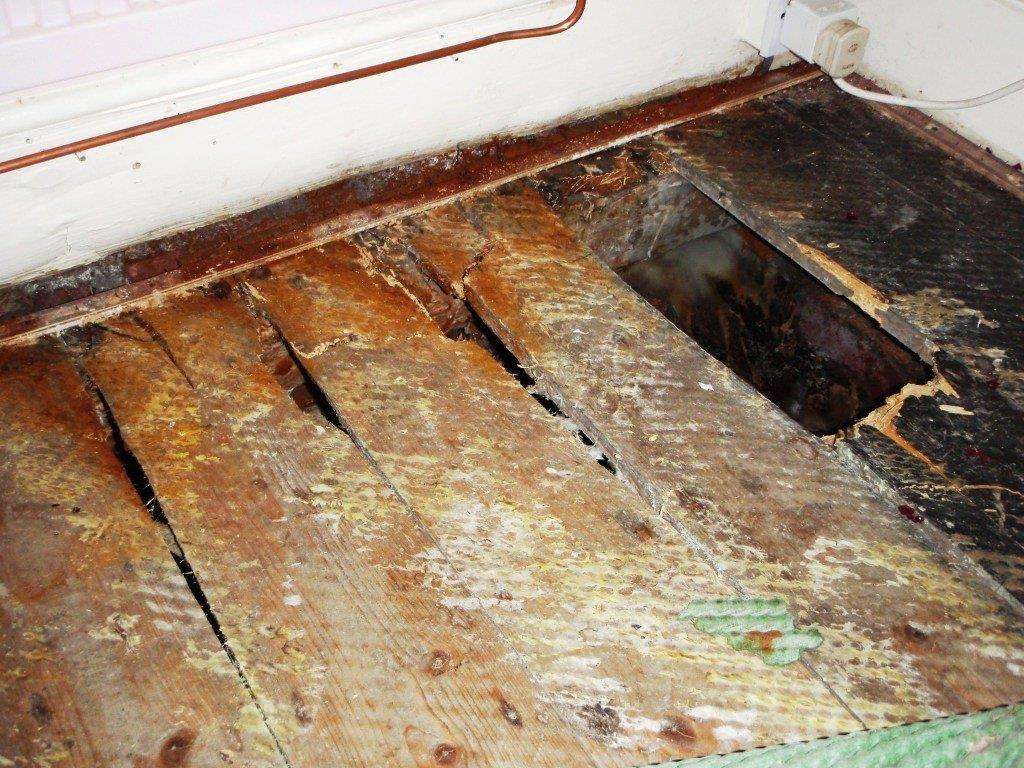
| Timber appearance | Dark, soft and spongy, often cracking along the grain | Dry and crumbly, with deep cracks forming cube shapes |
| Fungal growth | Usually little visible growth, sometimes dark brown or black strands | White cotton wool growth, grey strands, and flat fruiting bodies |
| Spores | Rarely visible | Rusty red or orange dust around the outbreak |
| Smell | Damp and musty | Strong mushroom smell |
| Treatment | Fix the moisture, then repair or replace affected timber | Fix the moisture, open up to find the full extent, remove affected timber and treat surrounding areas |
What Is Wet Rot?
Wet rot is the general name for decay caused by several types of fungi that need timber to be very wet. It is the more common of the two. Because the fungus cannot survive once the timber dries out, wet rot stays confined to the area that is getting wet.
Signs of wet rot
- Timber that feels soft or spongy when pressed with a screwdriver
- Darkened wood, often much darker than the surrounding timber
- Cracking along the grain, or wood that crumbles when dry
- Flaking or blistered paint on window frames and door frames
- A damp, musty smell
- Sometimes thin dark brown or black strands on the surface
Common places to find it are window sills and frames, the feet of door frames, skirting boards on damp walls, timber under leaking baths and showers, and floor joists where a leak or high ground level keeps the timber wet.

What Is Dry Rot?
Dry rot is caused by one particular fungus, Serpula lacrymans. Despite the name, it still needs moisture to start. The difference is that once it is established, it can send strands through brickwork, plaster and gaps to find and attack drier timber some distance away. That ability to travel is what makes dry rot more serious and why it needs a careful survey.
Signs of dry rot
- White, cotton wool like growth in damp, still areas such as under floors or behind panelling
- Grey strands spreading across timber or masonry, which can be thick and brittle when dry
- Timber that is dry and crumbly, breaking into cube shaped pieces
- Flat, pancake like fruiting bodies with a rusty red centre
- Fine rusty red or orange dust settling on surfaces nearby
- A strong mushroom smell
- Skirting boards or floors that have warped or sunk
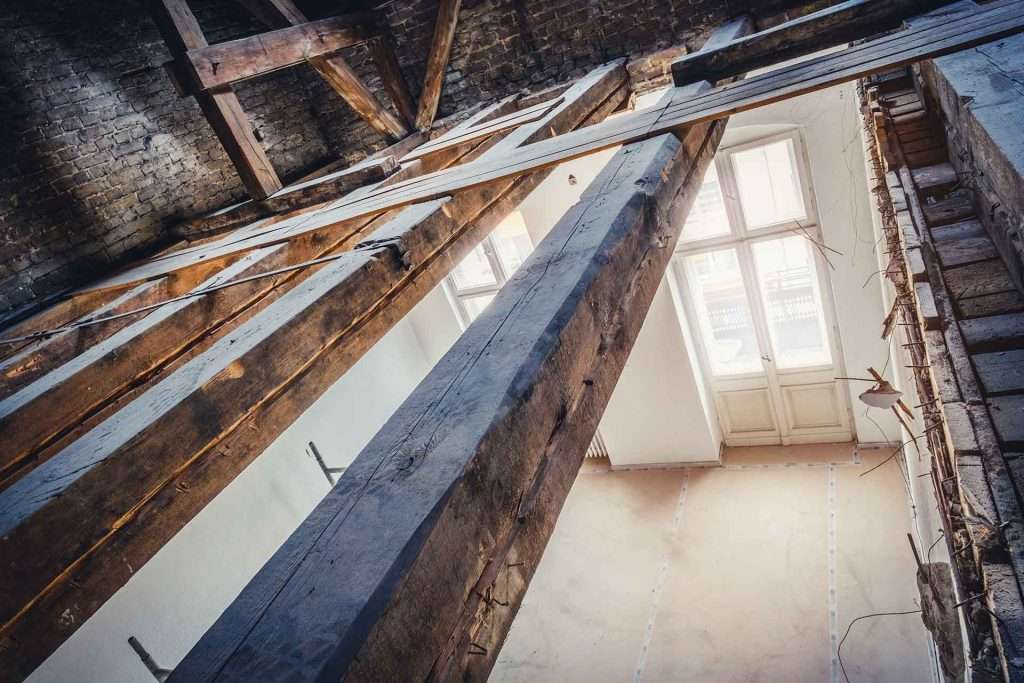
Dry rot is most often found in poorly ventilated areas: under suspended timber floors, in cellars, behind wall panelling, around embedded timbers in damp walls, and where roof leaks have soaked hidden timbers.
Why the Difference Matters
Treating wet rot as if it were dry rot can lead to far more opening up and expense than needed. Treating dry rot as if it were wet rot is worse: the outbreak may already have spread beyond what you can see, and repairing only the obvious timber can leave active growth in place. A correct diagnosis protects both your wallet and your property.
What Causes Rot in Homes?
- Leaking pipes, radiators, baths, showers and roofs
- Rising damp or penetrating damp reaching timbers built into walls
- Blocked or too few air bricks, leaving subfloor timbers in damp, still air
- High ground levels or bridged damp proof courses
- Condensation in lofts, bathrooms and behind furniture
- Timber in direct contact with damp masonry
How Wet Rot and Dry Rot Are Treated
Wet rot
Once the source of moisture is fixed, wet rot stops. The decayed timber is cut out and replaced with treated timber, or in some cases repaired with resin, and the surrounding timber is checked to make sure it is sound and drying out.
Dry rot
Dry rot treatment also starts with removing the moisture source and promoting drying. The affected area is then opened up to trace the full extent of the growth. Decayed timber is removed and replaced with treated timber, and surrounding masonry and timbers may be treated where strands are present. Good ventilation afterwards helps keep the area dry. See our dry rot treatment and wet rot treatment pages for how we approach each.
Could It Be Woodworm Instead?
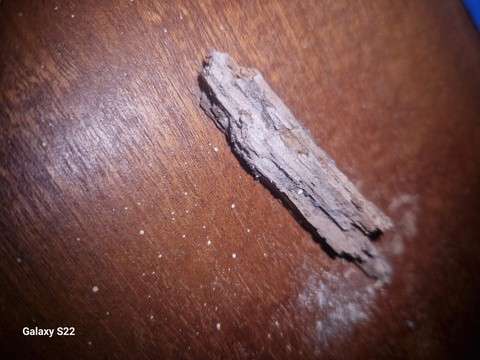
Small round exit holes and fine powdery dust point to woodworm rather than rot. The two can occur together, because beetles prefer damp timber. Our woodworm treatment page explains the signs.
Get It Identified Properly
If you have found rotten timber, a timber survey will identify whether it is wet rot, dry rot or woodworm, trace the moisture source and set out exactly what needs replacing. Advanced Damp is a Member of the Federation of Damp and our surveyors are FODCS certified.
Frequently asked questions
How can I tell if I have wet rot or dry rot?
Wet rot leaves dark, soft, spongy timber in one damp area. Dry rot produces white cotton wool growth, grey strands, rusty red spore dust and dry, crumbly timber that breaks into cubes, and it can spread beyond the damp area. A timber survey will confirm which you have.
Is dry rot worse than wet rot?
Usually, yes. Dry rot can spread through masonry to reach new timber, so the outbreak may be larger than it looks. Wet rot stays where the timber is wet and stops once the moisture source is fixed.
Can rot be treated without replacing the timber?
Lightly affected timber can sometimes be dried out and left in place, or repaired with resin. Timber that has lost its strength needs replacing, especially where it is structural.
What causes rot in a house?
Rot is always caused by timber staying damp. Common sources are leaks, rising or penetrating damp, condensation and poor subfloor ventilation from blocked air bricks.
Does house insurance cover rot?
Many policies exclude rot because it develops gradually. Check your policy wording, and speak to your insurer if the rot was caused by a sudden event such as an escape of water.
Reviewed by Michael Young, Head Contractor at Advanced Damp (CSSW and FODCS). Last reviewed November 2026.
Related Case Studies
Our recent timber work includes a cellar with a decayed lintel in Berkhamsted HP4 and a woodworm inspection in Edlesborough LU6. Each case study sets out what the survey found and how the problem was fixed.
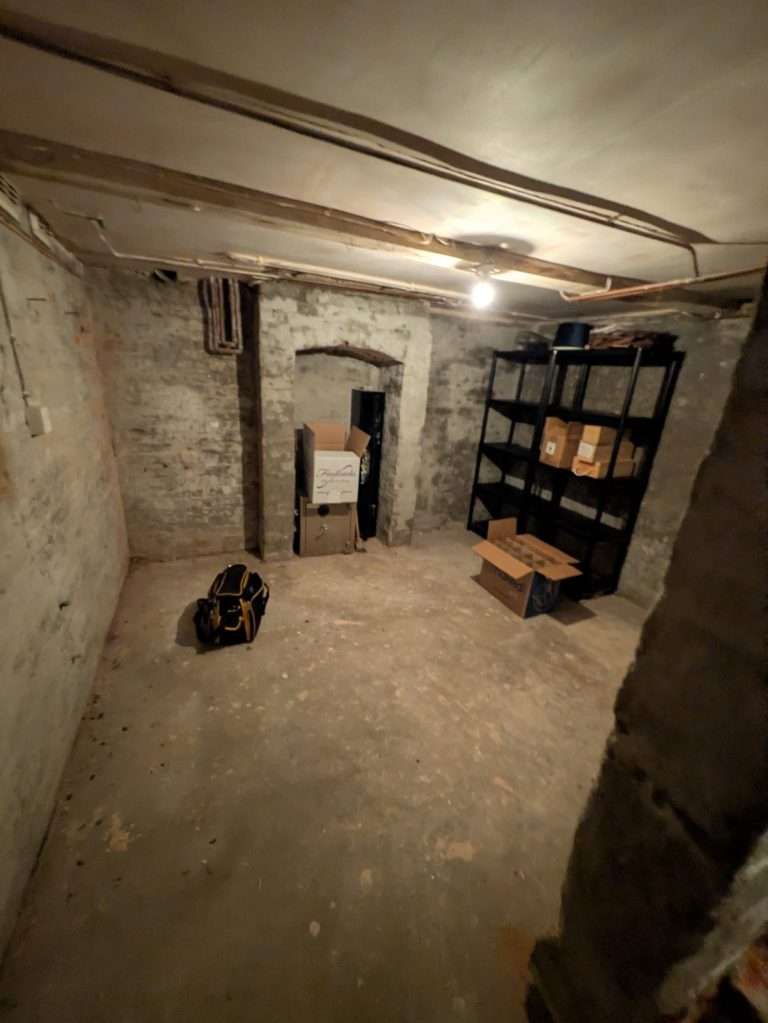
Cellar and decayed lintel, Berkhamsted HP4
A timber lintel reading 40% WME with advanced fungal decay, alongside failed cellar tanking. Type C waterproofing, a sump pump and damp proofing.
Read the case study →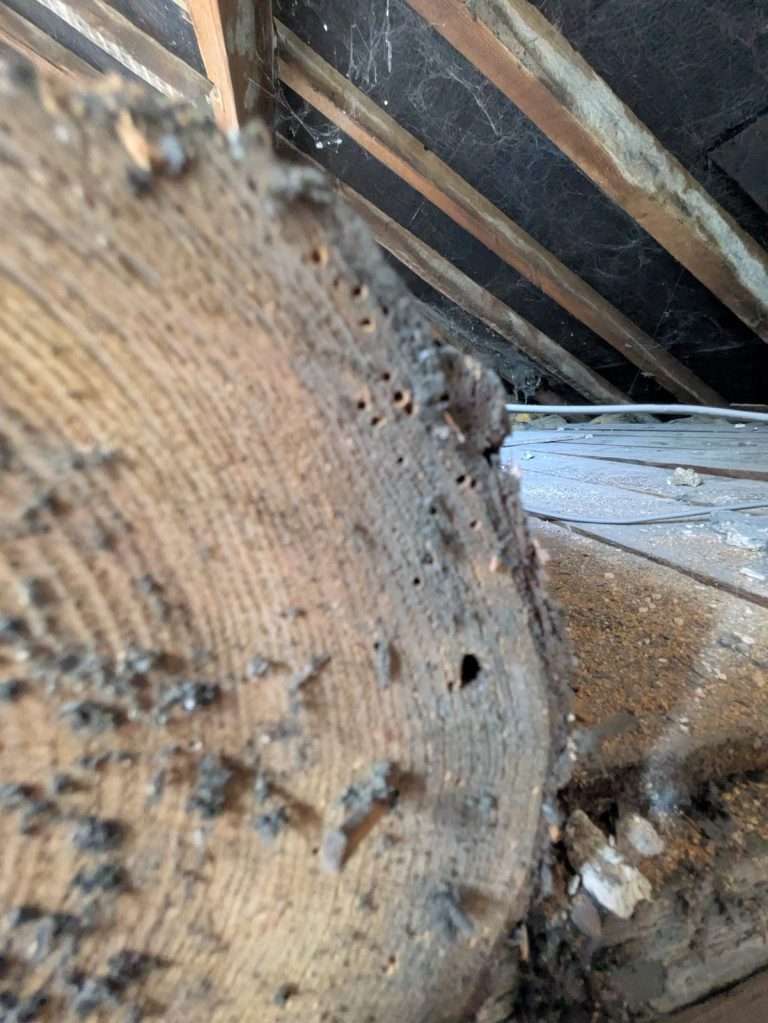
Loft and bedrooms, Edlesborough LU6
Common furniture beetle signs in loft beams and floor joists. Likely historic, with no live beetles or larvae, and the timbers sound and dry.
Read the case study →
Sam Fitzgerald is the founder of Advanced Damp and a working damp and structural waterproofing surveyor diagnosing and treating moisture problems in residential and commercial properties across London and the South East. He is FODCS certified (a Federation of Damp Certified Surveyor) and a member of the Federation of Damp. His hands-on work covers rising damp, penetrating damp, condensation, basement waterproofing to BS 8102, and thermal imaging surveys, and he has personally completed over 400 damp surveys across properties of every type and age. Everything he writes draws directly from jobs he has carried out. He does not write about treatments, products or causes he has not dealt with first-hand in the field.