 Proud member of the Federation of Damp

What to Do If Your Neighbour Has Dry Rot
Published 4 November 2026. Reviewed by Michael Young, Head Contractor at Advanced Damp (CSSW and FODCS).
Key Takeaways
- Dry rot can spread through shared walls and floors into the house next door, but only where it finds damp timber.
- Check your side of the party wall for the signs, especially in cellars, under floors, in cupboards and behind skirting boards.
- Talk to your neighbour early. Fixing the moisture source on their side is the most important step for both properties.
- A timber survey of your property tells you whether you are affected and what, if anything, needs doing.
Hearing that the house or flat next door has dry rot is unsettling, especially if you live in a terrace, a semi or a converted building where walls and floors are shared. Dry rot is known for spreading, so it is reasonable to ask whether your home is at risk. This guide explains how likely that is, what to check, and the practical steps to take.
Can Dry Rot Spread From Next Door?
It can. The dry rot fungus can send strands through brickwork, mortar joints and plaster to reach timber on the other side of a wall. Joists that sit in a shared party wall, timber floors that run beneath both properties, and shared roof spaces are all possible routes.
It does not travel into dry timber, though. Dry rot needs damp conditions to grow, so the real question is whether there is damp timber on your side of the wall. If your floors, joists and skirting boards are dry and well ventilated, the risk is much lower.
What to Check in Your Home
Start with the rooms and spaces that share a wall or floor with the affected area, and look for:
- A strong mushroom smell, particularly in cellars, under stairs cupboards or rooms that are kept closed
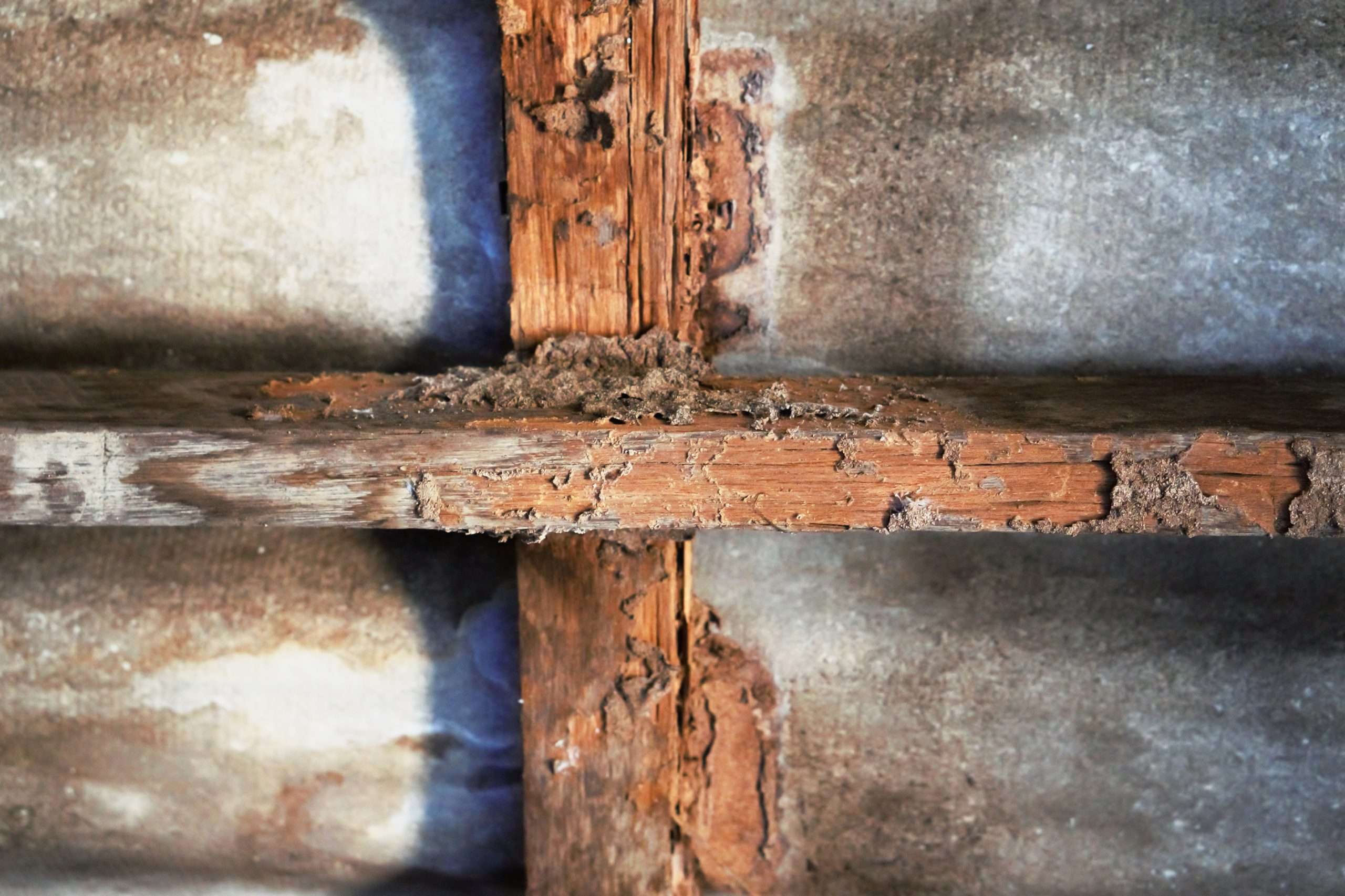
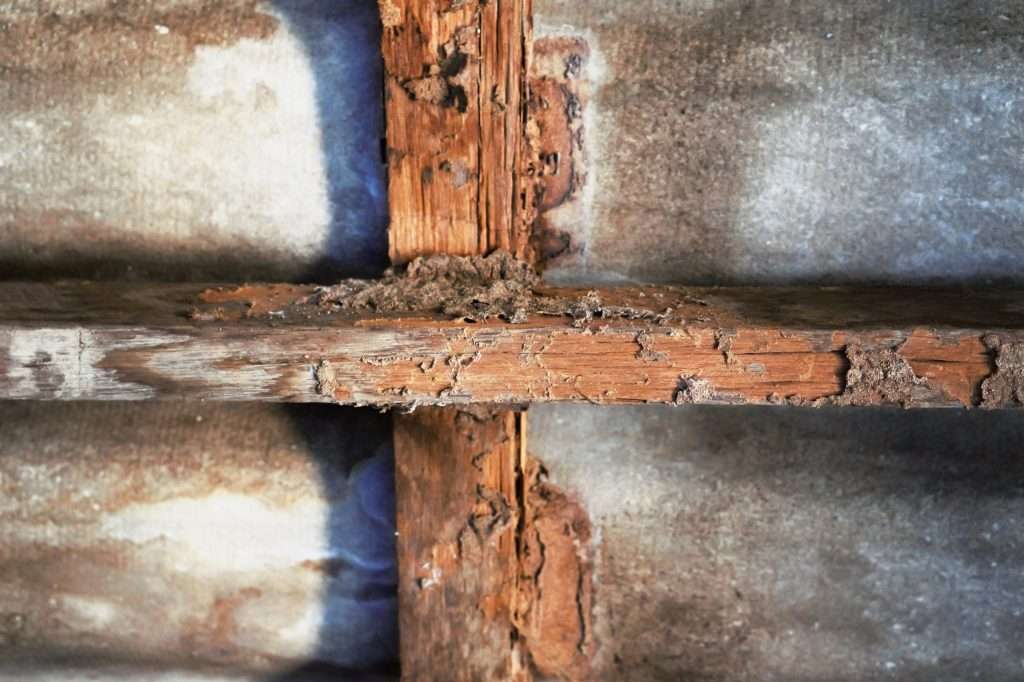
- White, cotton wool like growth or grey strands on timber or masonry
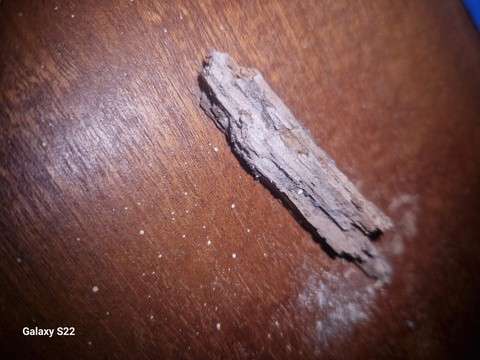
- Fine rusty red or orange dust on surfaces near the party wall
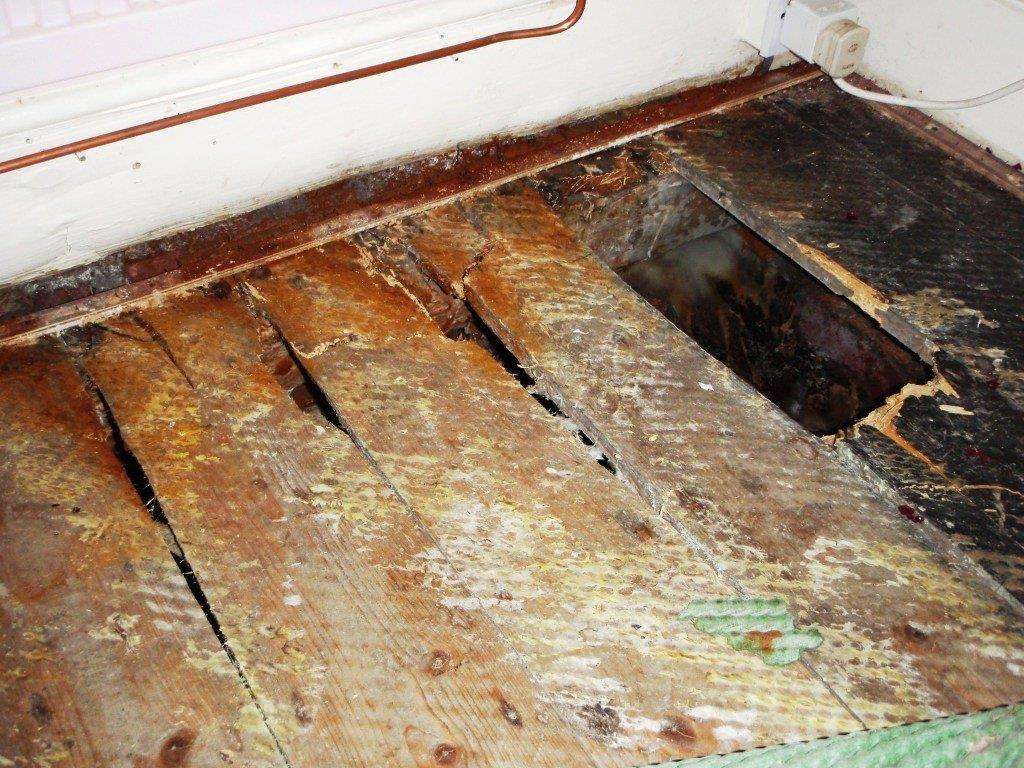
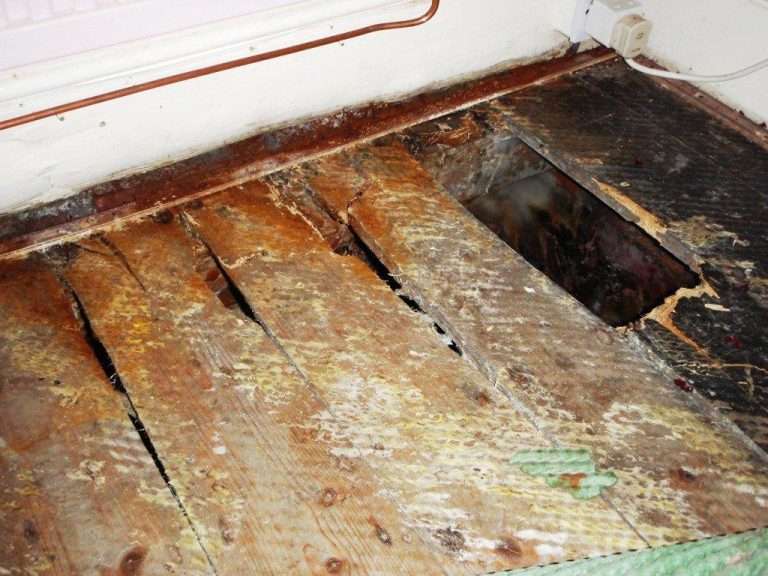
- Skirting boards or floorboards that are warped, sunken or soft
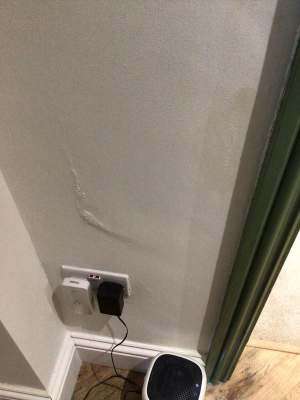
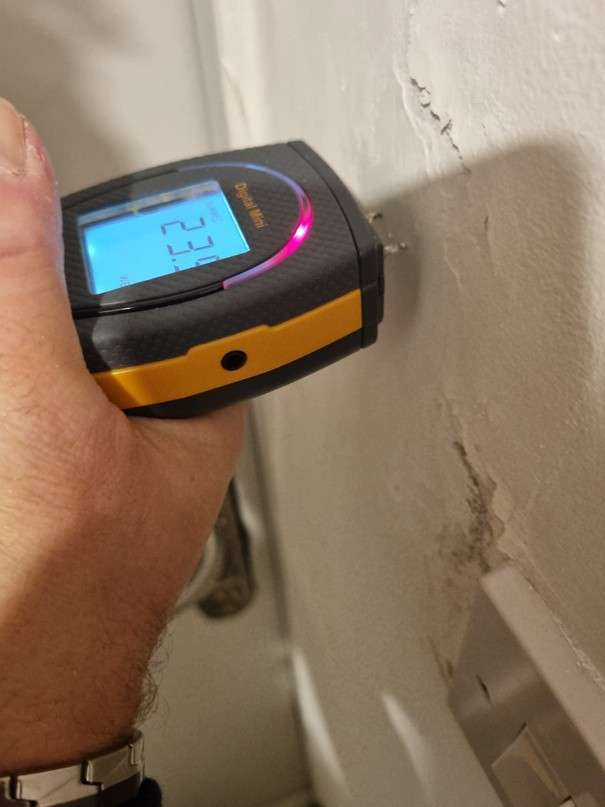
- Plaster on the party wall that is damp, stained or bulging
- Timber that is dry and crumbly, breaking into cube shaped pieces
If you can safely lift a floorboard or look into a cellar next to the party wall, check the ends of the joists where they sit in the wall. This is where outbreaks are often found. Our guide to wet rot vs dry rot explains the signs in more detail.
Steps to Take
1. Talk to your neighbour
Ask what has been found, where the outbreak is, what caused it and what treatment is planned. Most people are happy to share this, and knowing the location helps you check the right part of your home.
2. Make sure the moisture source is being fixed
Dry rot is always driven by damp, often from a leak, a blocked gutter, rising or penetrating damp, or blocked air bricks. If the cause on their side is not fixed, the problem can continue regardless of what is treated. This is the single most important step for both properties.
3. Check your own ventilation and damp
Make sure your air bricks are clear, your gutters and downpipes are working, and there are no leaks near the shared wall. Keeping your own timbers dry is the best protection.
4. Get a timber survey if you have concerns
If you have found any of the signs above, or the outbreak next door is close to the party wall, a timber survey will confirm whether your property is affected. The surveyor can inspect floor voids and the party wall and tell you what, if anything, needs doing.
5. Coordinate treatment if both sides are affected
Where dry rot has crossed the party wall, treating both sides at the same time gives the best result. Treating only one side can leave active growth in the wall. Work that affects a party wall may also fall under the Party Wall etc. Act 1996, so check whether notice is needed before work starts.
Who Pays for Dry Rot Treatment?
Generally, each owner is responsible for treating their own property. If the outbreak started next door because of a defect your neighbour was responsible for, such as a long running leak, you may have grounds to ask them or their insurer to contribute. In flats, the freeholder or managing agent may be responsible for shared structure, so check your lease. This is not legal advice, so speak to a solicitor if a dispute arises.
Does It Affect Selling or Buying?
A neighbouring dry rot outbreak may come up in a buyer’s survey or in the questions your solicitor answers. Having a timber survey of your own property, and paperwork showing any treatment carried out, makes it easier to deal with. If you are buying next to a property with dry rot, a specialist survey before you exchange is sensible. See our guide to buying a house with damp.
Book a Timber Survey
Advanced Damp carries out timber surveys and dry rot treatment across London and the surrounding counties. We are a Member of the Federation of Damp and our surveyors are FODCS certified. We will check your side of the wall and tell you clearly whether any work is needed.
Frequently asked questions
Can dry rot spread through a party wall?
Yes. Dry rot can grow strands through brickwork and mortar to reach timber on the other side of a party wall, but only where it finds damp conditions. Dry, well ventilated timber is much less at risk.
How do I know if dry rot has spread to my house?
Look for a mushroom smell, white or grey fungal growth, rusty red dust, and warped or crumbly timber near the shared wall, especially in cellars and floor voids. A timber survey will confirm it.
Is my neighbour responsible if dry rot spreads to my home?
It depends on the cause. If the outbreak came from a defect your neighbour was responsible for, they may be liable. Check your insurance and lease, and take legal advice if needed.
Should both properties be treated at the same time?
Where dry rot has crossed the party wall, treating both sides together gives the best result, because treating only one side can leave active growth in the wall.
Do I need a party wall agreement for dry rot treatment?
Work to a party wall may fall under the Party Wall etc. Act 1996. Check with a party wall surveyor before work starts if the treatment involves cutting into or treating the shared wall.
Reviewed by Michael Young, Head Contractor at Advanced Damp (CSSW and FODCS). Last reviewed November 2026.
Related Case Studies
Our recent timber work includes a cellar with a decayed lintel in Berkhamsted HP4 and a woodworm inspection in Edlesborough LU6. Each case study sets out what the survey found and how the problem was fixed.
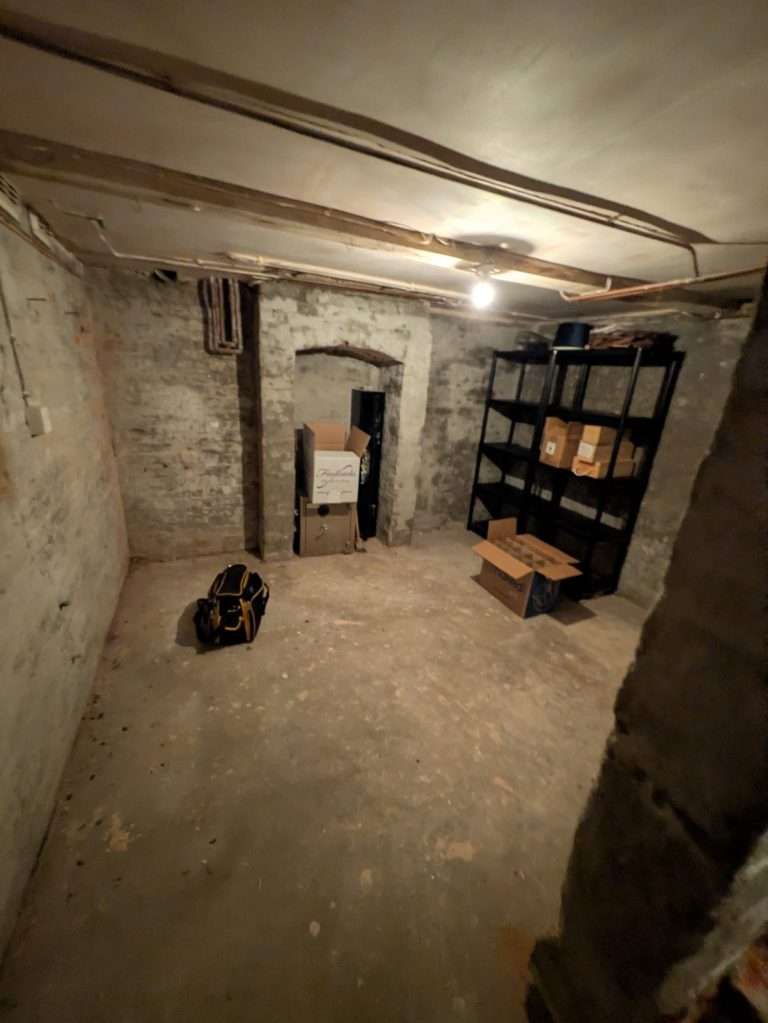
Cellar and decayed lintel, Berkhamsted HP4
A timber lintel reading 40% WME with advanced fungal decay, alongside failed cellar tanking. Type C waterproofing, a sump pump and damp proofing.
Read the case study →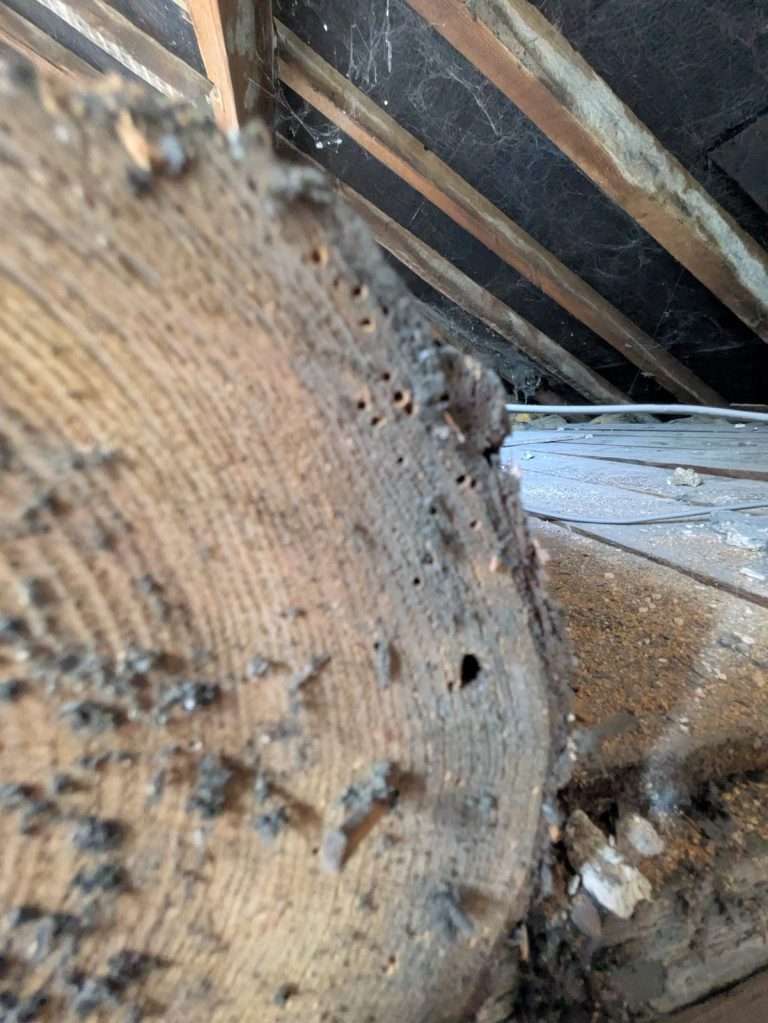
Loft and bedrooms, Edlesborough LU6
Common furniture beetle signs in loft beams and floor joists. Likely historic, with no live beetles or larvae, and the timbers sound and dry.
Read the case study →
Sam Fitzgerald is the founder of Advanced Damp and a working damp and structural waterproofing surveyor diagnosing and treating moisture problems in residential and commercial properties across London and the South East. He is FODCS certified (a Federation of Damp Certified Surveyor) and a member of the Federation of Damp. His hands-on work covers rising damp, penetrating damp, condensation, basement waterproofing to BS 8102, and thermal imaging surveys, and he has personally completed over 400 damp surveys across properties of every type and age. Everything he writes draws directly from jobs he has carried out. He does not write about treatments, products or causes he has not dealt with first-hand in the field.