 Proud member of the Federation of Damp


When Is the Best Time to Waterproof Your Building?
Key Takeaways:
- Purpose of Waterproofing: Waterproofing safeguards your home by adding a protective membrane to prevent water damage, mould growth, and structural issues caused by excess moisture. Surveying your property can help determine existing damage, the type of membrane in place, and necessary protective measures.
- Ideal Timing for Waterproofing: The optimal time for waterproofing is during the construction phase, providing maximum access with minimal disruption to homeowners. However, membrane failures can occur due to reasons like bad workmanship, deterioration over time, incorrect installation, or damage from adverse weather.
- Signs for Necessary Repairs: Signs of waterproofing issues include water seepage, wall cracks, peeling paint, unpleasant odours, mould, and stains on walls. If these signs manifest, it indicates potential damage to the foundation, necessitating a thorough survey and, if required, repairs.
Moisture inside your home can be a significant problem. It can damage your home, cause poor health, and even make the property unpleasant to live in. However, that doesn’t mean that any moment is the best time to waterproof your home.
In this article, we will look at the best time to add waterproofing systems and the precautions that you should take for house waterproofing.
Key Takeaways:
- Waterproofing is there to protect your home from damage caused by water accessing the property.
- Waterproofing failures are caused because of numerous reasons, including the waterproofing being done at the wrong time of the year.
- While the construction phase is the most appropriate time, getting waterproofing done afterwards is not impossible.
What is Waterproofing?

What is waterproofing? Waterproofing is the process where a property has a waterproof membrane added to the surface to protect the building from water accessing the home. The homeowners are therefore protected from mould growth, damage to structural integrity, and unpleasantness that can occur because of the excess moisture inside.
There are various parts to the waterproofing systems, and it can depend on the design of the home as to what is used. For instance, homes with basements will need basement waterproofing systems. Those that are near high water tables will need other waterproofing options.
The best way to find out what your home needs is to conduct a survey. A professional surveyor can help you determine whether there is any existing damage to the property, what waterproof membrane is already there, and what needs to be done to protect your home.
When Is The Best Time To Waterproof a Home?
Whether you’re considering the basement walls or the whole home, the best time to waterproof a property is always when the building is during the construction process. This is when the property has the most access and causes the least distribution to the homeowners.

However, waterproof membrane failure can happen over time. There are numerous reasons why a waterproofing system might fail including:
- 90% of cases are caused by bad workmanship.
- Deterioration over time causes breaks in the membrane.
- The waterproofing was installed at the wrong time previously.
- The wrong waterproofing was installed in the first place.
Therefore, if you notice any water seepage in the home or an unpleasant odour, then you might want to get a survey to help you determine whether repairs need to be completed. It might be that the basement waterproofing was never completed. Or it could be that there was damage caused by bad weather in the last few years.

What Will a Survey Reveal?
A waterproofing survey will detail if there is a problem with the damp proofing of the property. It will also say what problems it is causing and the treatments that are needed to fix the issues. Be sure that you’re talking to a good surveyor. An expert and a trusted damp surveyor should be a member of the Property Care Association.
The survey should take between two and four hours to complete, depending on access to the home, the size of the property, and what problems are seen. If you have a basement waterproofing problem, expect the survey to take longer.
The surveyor should also be able to carry out the repairs at a later date for you.
Signs that Waterproofing Needs to Be Fixed
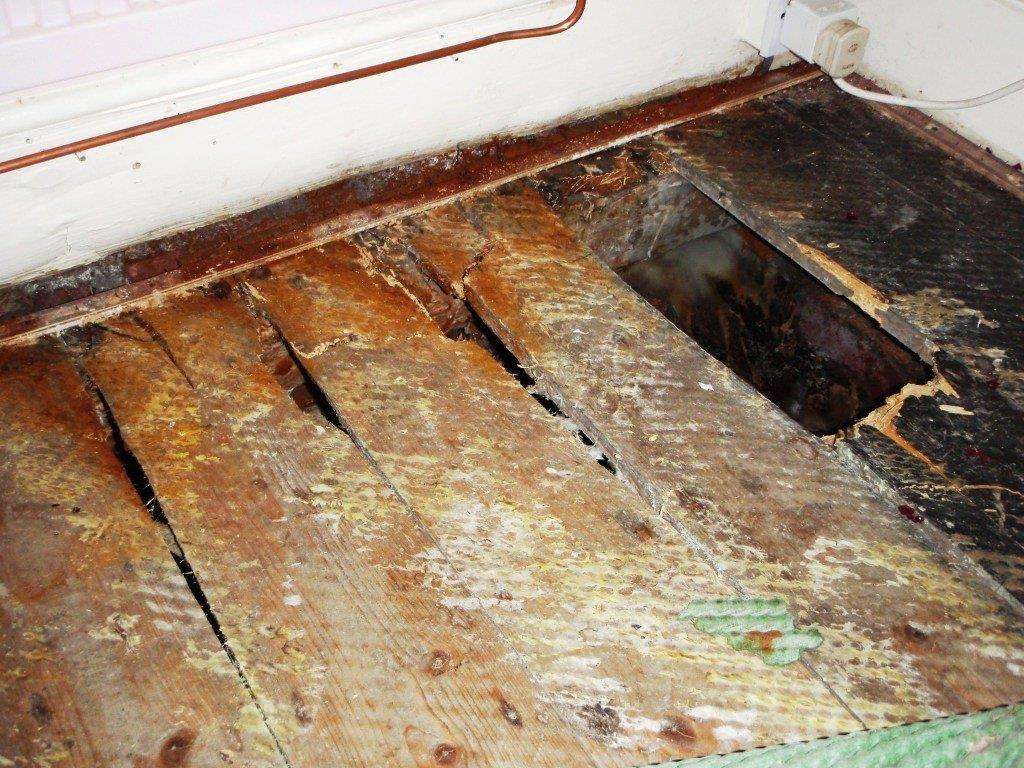
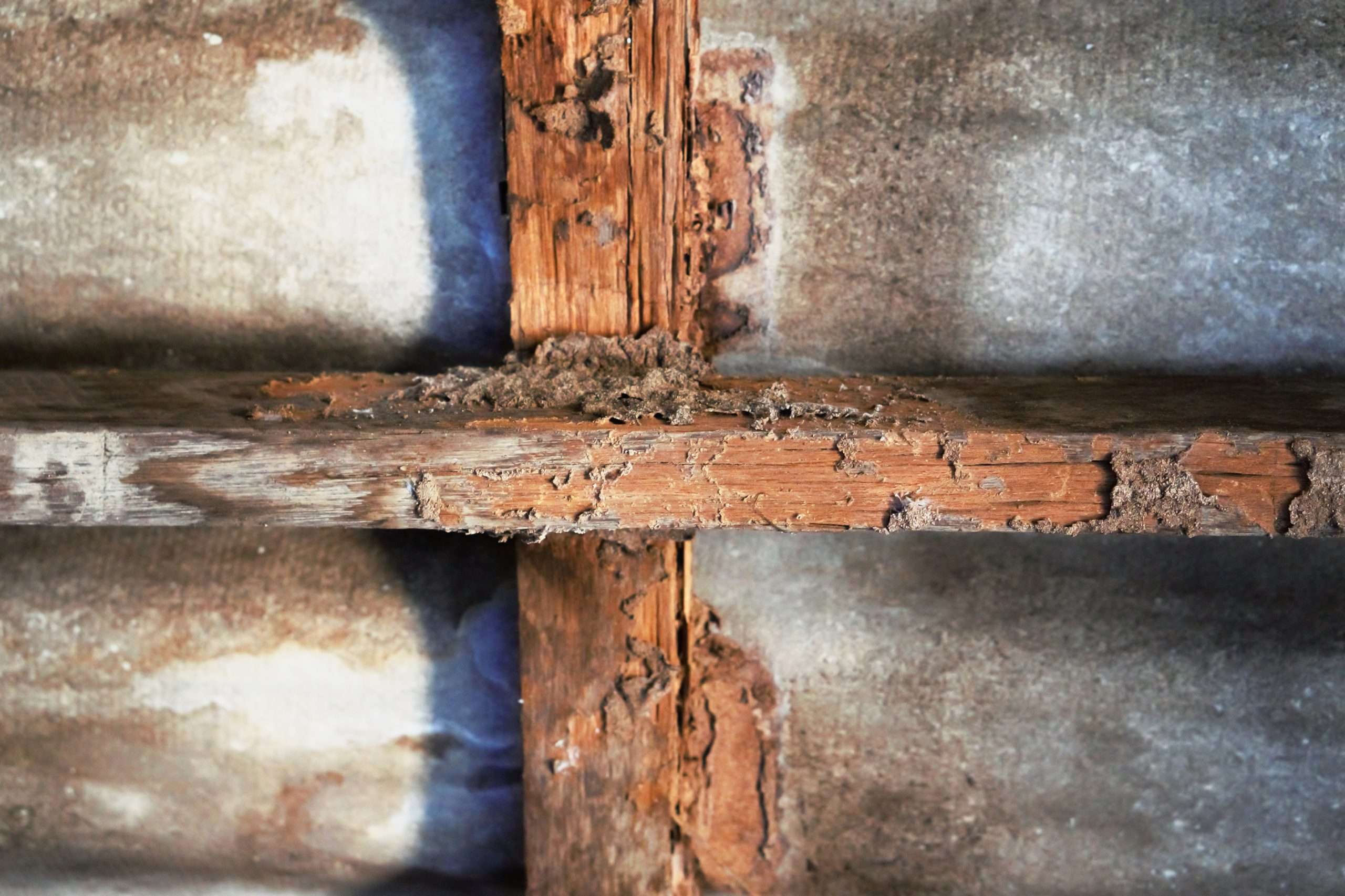
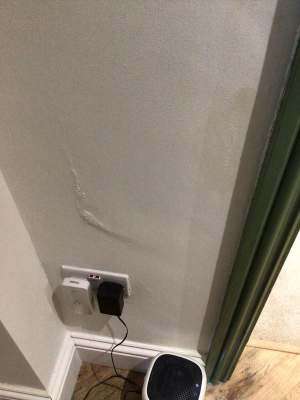
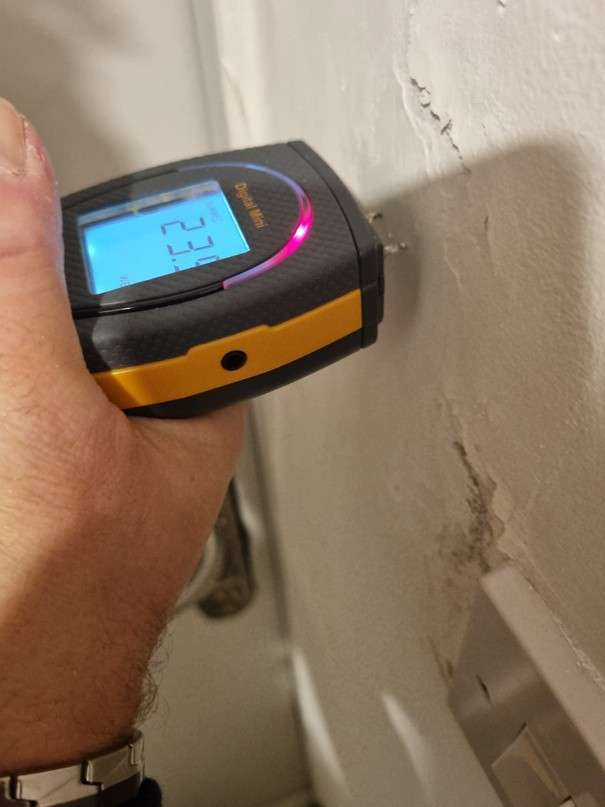
There are numerous signs that the damp proof needs to be looked at. For one, you might notice there is some water seeping into the property or there might be wall cracks. You might notice there is paint peeling or a bad odour in the property.
Mould and mildew are also clear signs that the damp proofing in the home needs to be looked at. Be sure to check for damage near any flat roof on a property too. These are key areas where waterproofing damage can happen, especially if birds are frequently there or heavy rain sits on the flat roof.
Water damage might also appear as stains on the wall.
If these signs are showing on the property, then it is a good indicator that the property foundation might need checking.
When to Get Repairs to the Waterproofing Done?
While adding damp proofing at the construction of the property is best, there are times when you will need to waterproof your home after construction. The best time to do this is when it is dry. Doing the repairs during the wet weather could mean that groundwater or other water enters behind the waterproofing and this can cause other problems to the ones that you’re currently experiencing.

Therefore, the summertime would be the most appropriate time for you to complete any repair work for the damp-proof membrane.
If there is a specific need to complete the work because the damage is letting water seepage into the home but it is wintertime. You need to find a few dry days. You don’t want to get any walls wet and then add the waterproofing. This might prevent the walls from drying out, trapping the moisture inside, and causing damp and cold issues inside the home.
You might want to speak to a surveyor who can advise you on the best times to get the waterproofing done on your property.

Final Word: When Is The Best Time to Waterproof Your Building?
Waterproofing is an essential part of the safety of your property. While it is best done when the building is built, that doesn’t mean that it might not need to be repaired or replaced at a later date.
If this is the case, the summer is the best time to have any waterproofing done. However, it is always best to speak to an expert surveyor to check when they think the waterproofing needs to be completed.
Frequently asked questions
When is the best time of year to waterproof a basement?
Waterproofing can be installed all year round because most systems are internal. Some people prefer spring or summer for drying times and access, but water ingress should not be left waiting for better weather.
How long does basement waterproofing take?
A small cellar can take a few days, while a full basement with a cavity drain system, sump and pump typically takes one to three weeks, depending on size and preparation.
Should I waterproof before or after renovating?
Before. Waterproofing should be designed and installed first, then finishes, electrics and decoration go on top, so nothing has to be removed later.
Reviewed by Michael Young, Head Contractor at Advanced Damp (CSSW and FODCS). Last reviewed November 2026.
Related Case Studies
Our recent work includes below ground room, Tring HP23; cellar, Berkhamsted HP4 and lower ground stairwell, Islington N1. Each case study sets out what the survey found and how the problem was fixed.
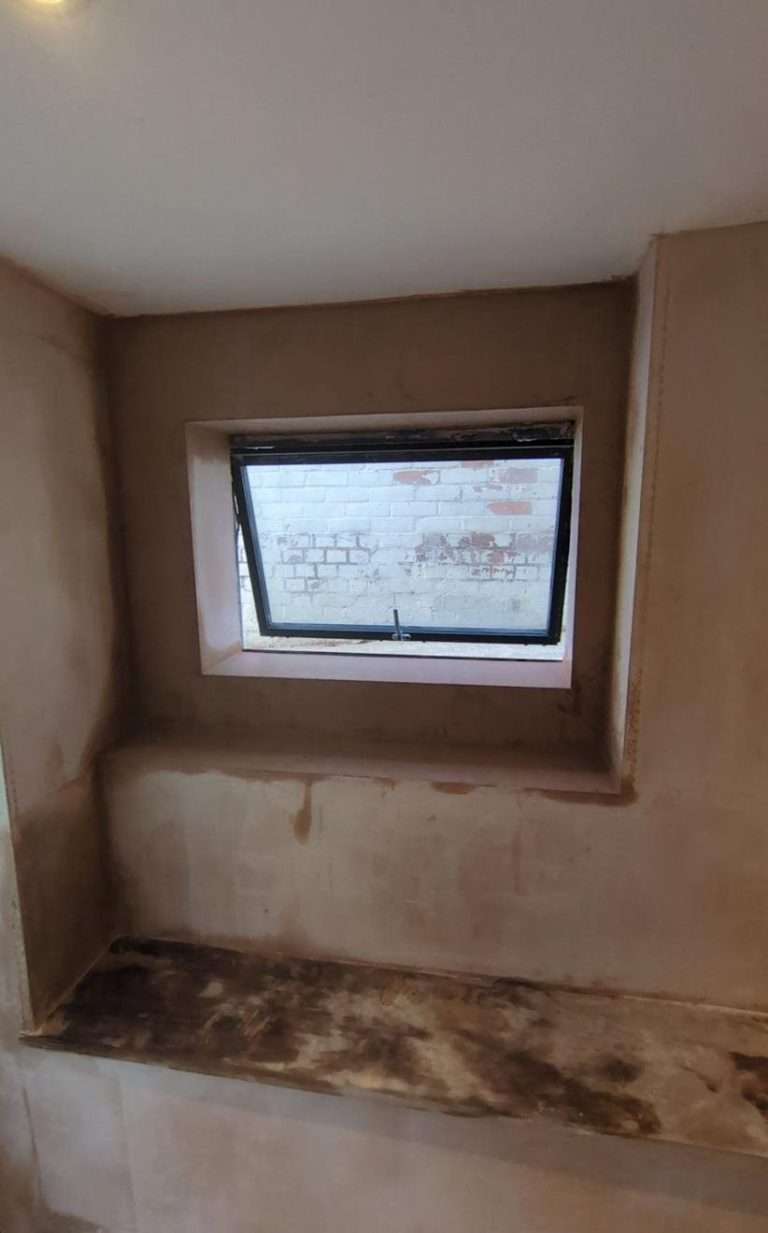
Below ground room, Tring HP23
Cavity drain membrane, floor channel and a dual sump pump with alarm, finished in plasterboard and skim.
Read the case study →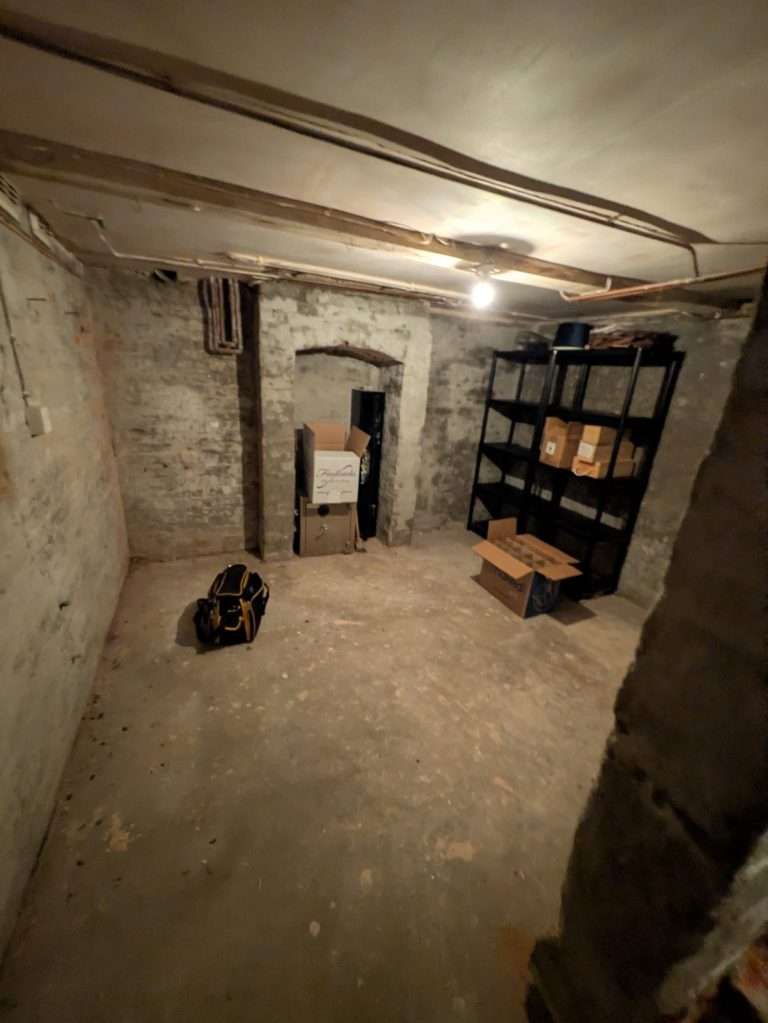
Cellar, Berkhamsted HP4
Failed cellar tanking and a decayed lintel at 40% WME. Type C waterproofing, sump pump and ventilation.
Read the case study →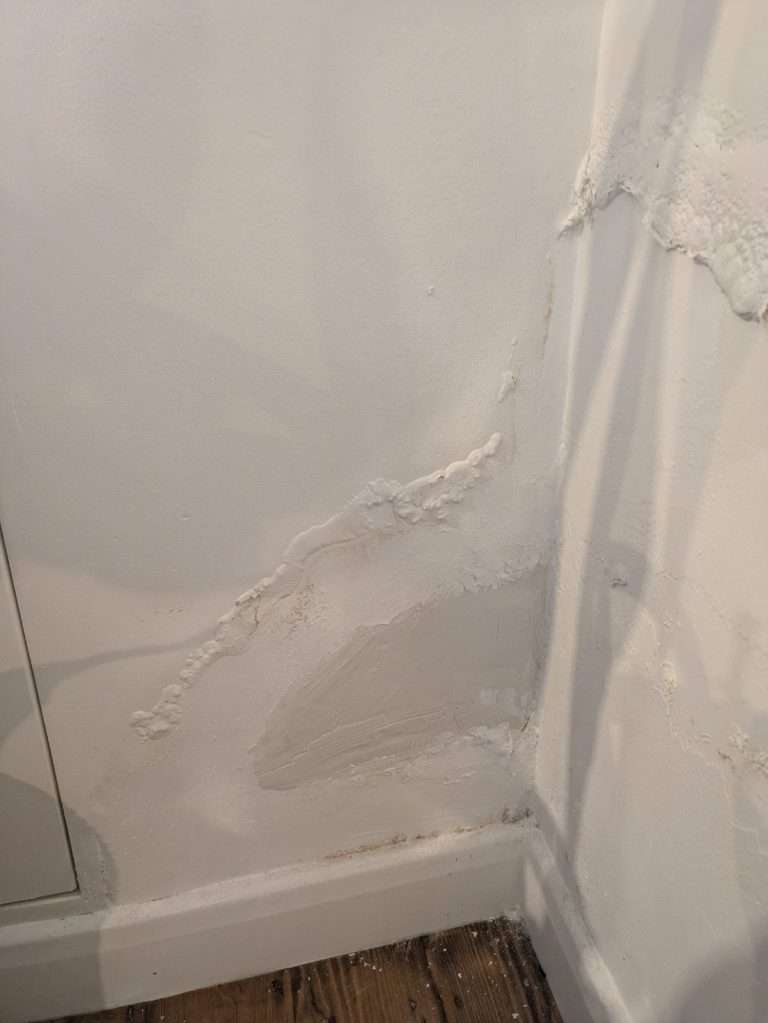
Lower ground stairwell, Islington N1
A new damp patch linked to high ground and poor rear drainage. Localised membrane repair to the marked areas.
Read the case study →
Sam Fitzgerald is the founder of Advanced Damp and a working damp and structural waterproofing surveyor diagnosing and treating moisture problems in residential and commercial properties across London and the South East. He is FODCS certified (a Federation of Damp Certified Surveyor) and a member of the Federation of Damp. His hands-on work covers rising damp, penetrating damp, condensation, basement waterproofing to BS 8102, and thermal imaging surveys, and he has personally completed over 400 damp surveys across properties of every type and age. Everything he writes draws directly from jobs he has carried out. He does not write about treatments, products or causes he has not dealt with first-hand in the field.