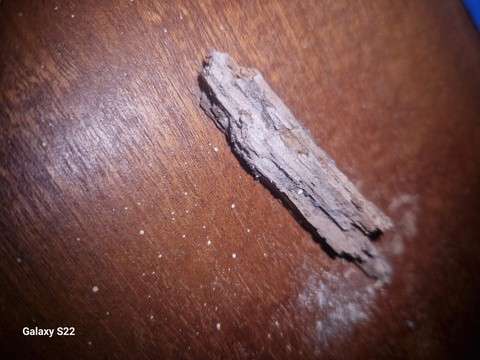
Rising Damp from High Ground at a Flat on Kilburn Lane, Queens Park W10
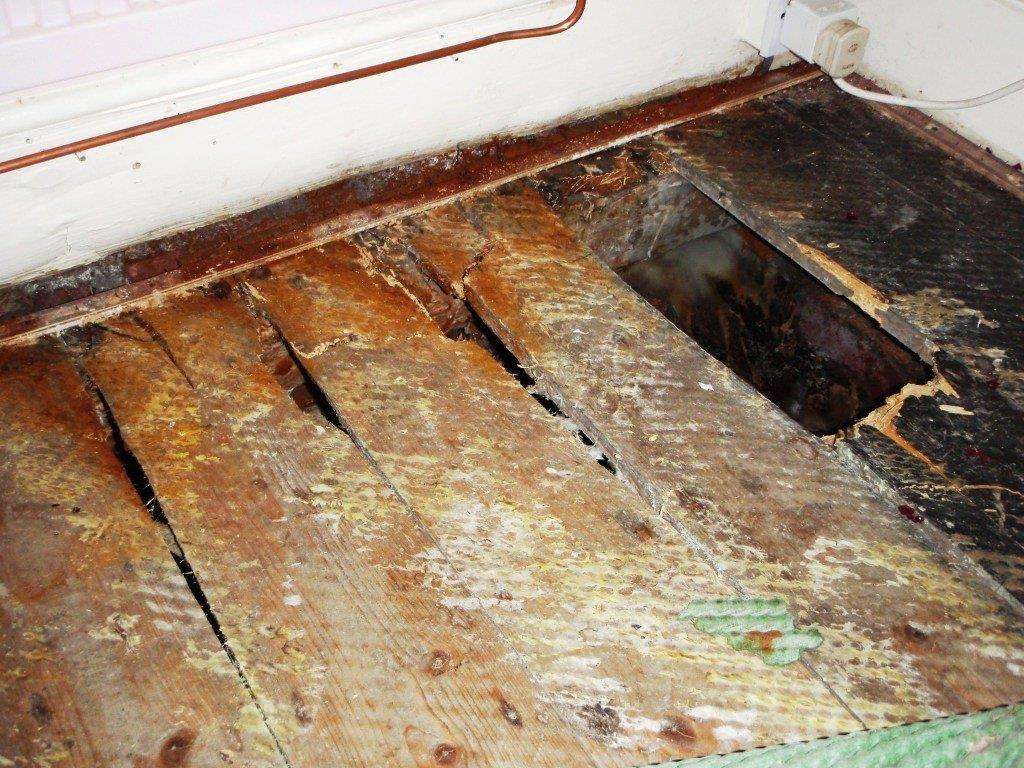
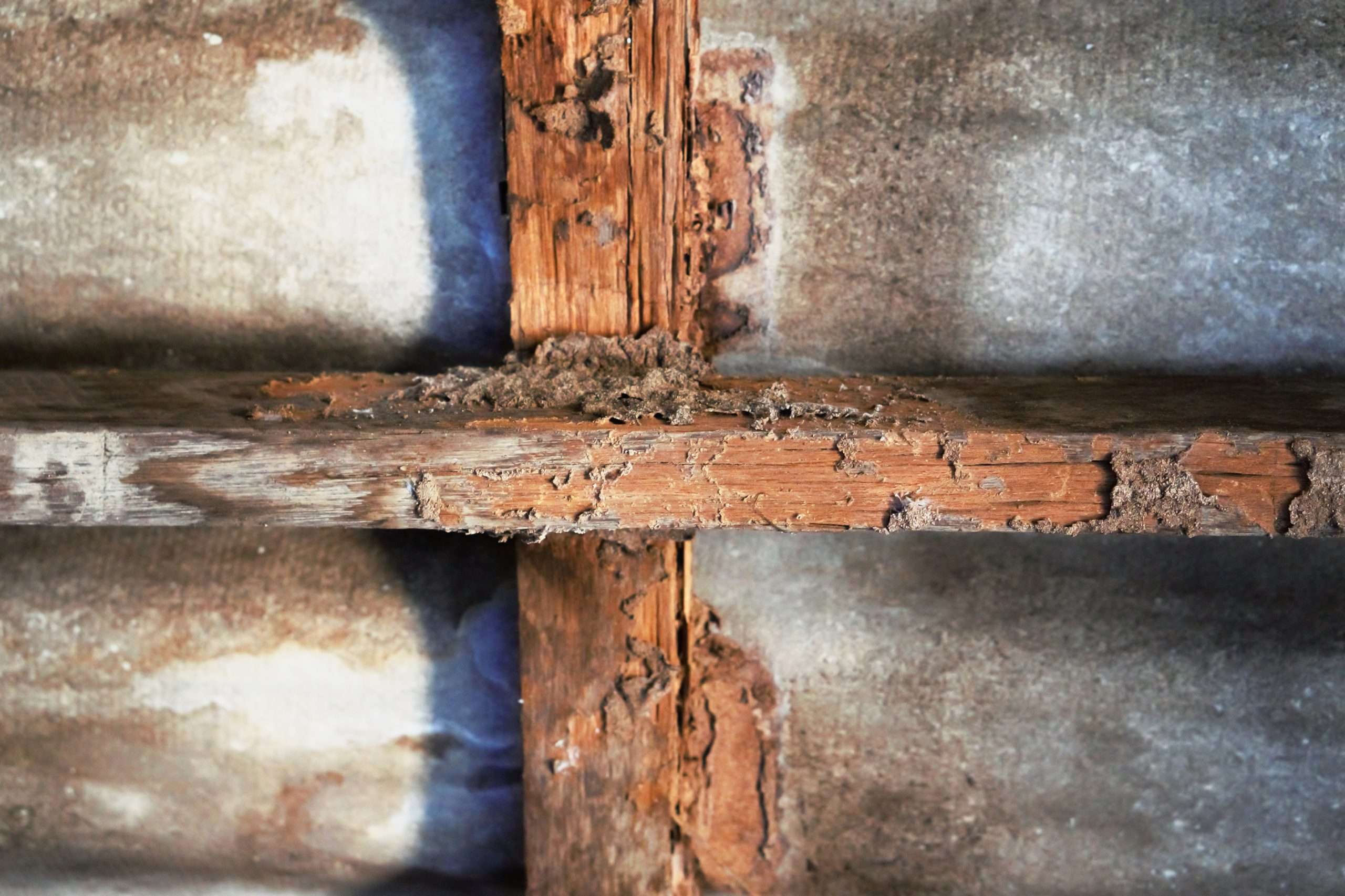
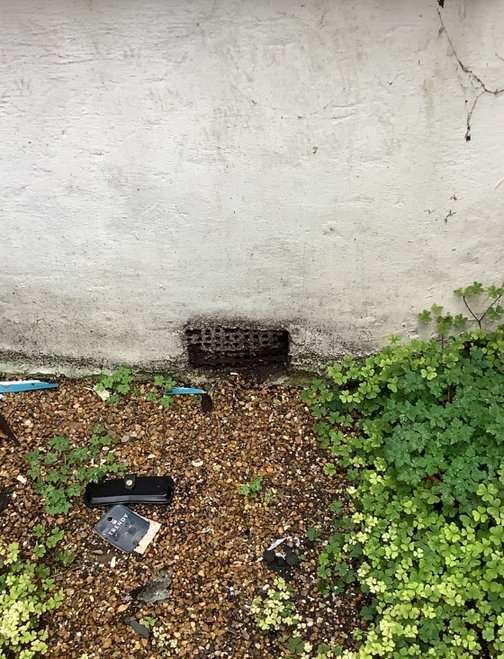
A ground floor flat on Kilburn Lane near Queens Park had damp in the living room and second bedroom. Outside, the ground at the rear had built up level with the air bricks and above the damp proof course.
Project at a Glance
The Brief
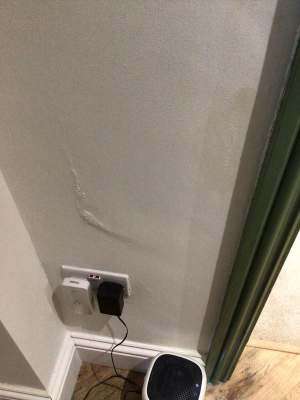
The occupants had damp patches and a stuffy feel in the flat and wanted to know where the moisture was coming from.
The Survey
Along the rear and side of the building, the ground had been raised in line with the existing air bricks. With the ground above the damp proof course, moisture was bridging it and showing as rising damp in Bedroom 2 and the living room. Air bricks should ideally sit at least 150mm above ground so water and debris cannot get in.
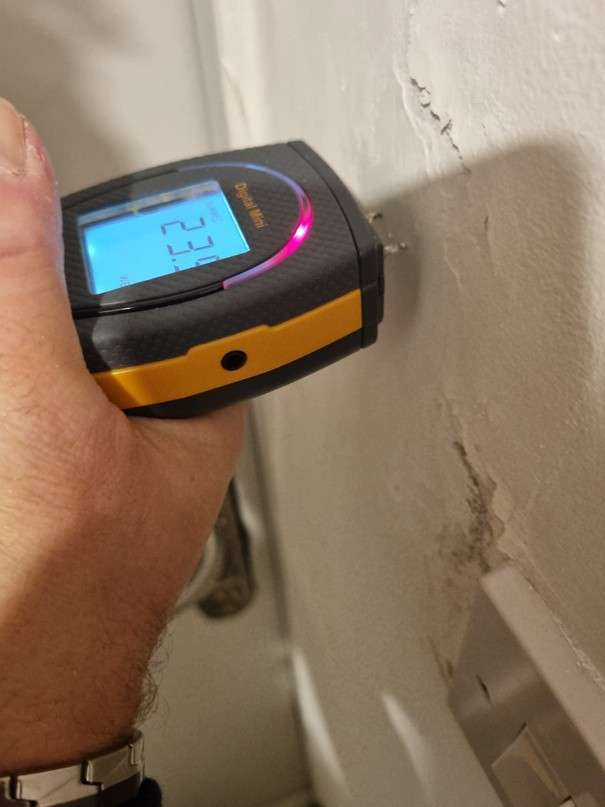
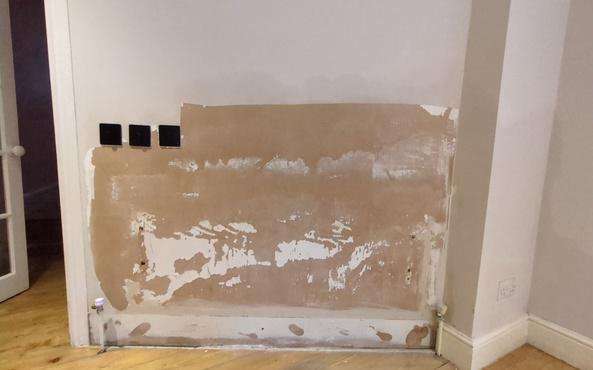
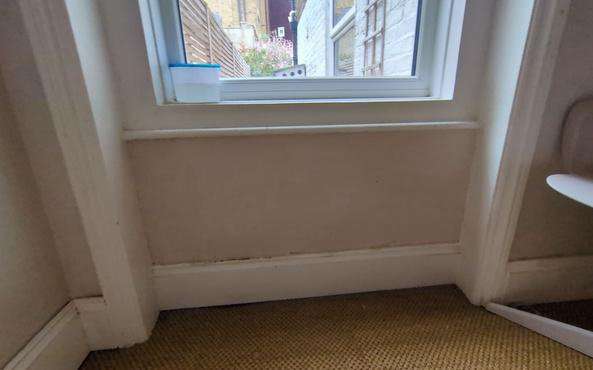
Inside, high readings were found in Bedroom 2, the wall beside the lower staircase passage and the living room walls. Humidity was also elevated at 62 to 69.8 percent with windows and trickle vents closed, which points to limited ventilation adding to the moisture load.
The Solution
Lowering the whole rear area would have been very expensive, so the surveyor recommended an alternative:
- Install a linear ACO drain along the kitchen and Bedroom 2 walls, discharging into the existing storm water drainage outside the kitchen and conservatory.
- Carry out damp proofing to the affected internal walls.
- Use the trickle vents and ventilate more, to bring humidity down.
The Work
The drainage and damp proofing work was carried out in May 2026.
The Result
The drain deals with water at the base of the wall without the cost of digging out the garden. See our west London damp proofing page for more on how we work in W10 and the surrounding areas.
Frequently Asked Questions
Do I have to lower the ground outside to stop rising damp?
Not always. Where lowering is impractical, a drainage channel along the wall can remove surface water and protect the damp proof course.
How high should air bricks be above the ground?
Ideally at least 150mm, so rainwater and debris cannot get into the space under the floor.
Does humidity make damp worse?
It can. High indoor humidity adds to moisture on cold walls, so ventilation matters alongside any damp treatment.
Ground level too high outside?
Our CSSW and CSRT trained surveyors find the real cause before recommending any work. Non-invasive survey with a clear written report. No obligation.
Survey carried out by Lionel Sewell (FODCS) at Advanced Damp. Project completed in Queens Park, W10.

Sam Fitzgerald is the founder of Advanced Damp and a working damp and structural waterproofing surveyor diagnosing and treating moisture problems in residential and commercial properties across London and the South East. He is FODCS certified (a Federation of Damp Certified Surveyor) and a member of the Federation of Damp. His hands-on work covers rising damp, penetrating damp, condensation, basement waterproofing to BS 8102, and thermal imaging surveys, and he has personally completed over 400 damp surveys across properties of every type and age. Everything he writes draws directly from jobs he has carried out. He does not write about treatments, products or causes he has not dealt with first-hand in the field.