 Proud member of the Federation of Damp

Damp Proofing West London
Survey-led damp proofing, waterproofing and timber treatment for homes and commercial buildings across West London (W and SW). We find the real cause of the damp before recommending any work.
Book a damp survey in West London
Non-invasive survey with a clear written report. No obligation.
Book a SurveyCall 0300 373 7251

Damp in West London properties
West London covers a wide range of homes, from Georgian and Victorian townhouses in Kensington and Chelsea to the Edwardian streets of Ealing and Chiswick and the 1930s semis of Greenford, Ruislip and Pinner. Each type of house has its own damp problems, and the right treatment depends on how and when it was built. That is why every West London job starts with a survey rather than a quote over the phone.
Close to the river, Fulham, Hammersmith, Chiswick, Kew and Putney sit on Thames gravels with a water table that rises and falls through the year. Cellars, basements and lower ground floors in these areas often take on water in winter, and older tanking that relies on the wall staying sound tends to fail. These spaces need waterproofing designed to BS 8102 rather than a standard damp treatment.
Further from the river, most of West London is built on London Clay. Clay shrinks in dry summers and swells in wet winters, and that movement opens fine cracks in old walls, render and floor slabs. It also holds water against anything below ground, which is why so many cellars in Ealing and Acton smell damp even when no water is visible.
The River Brent and the Grand Union Canal also shape ground conditions in parts of West London. Streets in Hanwell, Brentford and Greenford that sit low in the Brent valley can have a higher water table and wetter ground than neighbouring areas only a short walk away. In these streets we see more ground floor damp, more water in cellars and more timber decay under floors, so the survey always checks below floor level.
In the Victorian and Edwardian terraces of inner West London, rising damp is one of the most common problems we see. The original slate or bitumen damp proof course has often broken down, and it is frequently bridged by raised paths, patios and rendered plinths. The signs are tide marks, salt staining and crumbling plaster along the bottom of ground floor walls.
Penetrating damp is just as common in these solid walled houses. Bay roofs, parapet walls, valley gutters and worn pointing all let rain into brickwork that has no cavity to stop it. Painted and rendered fronts make it worse when they crack, because water gets in behind the coating and cannot dry out. We trace leaks with moisture readings and thermal imaging before recommending any repair.
The interwar suburbs of outer West London have different problems. Many 1930s semis in Greenford, Northolt, Ruislip and Pinner have cavity walls that were later filled with insulation. Where that insulation was poorly installed or the outer brickwork is exposed to driving rain, damp can bridge the cavity and show up as patches on inside walls. Blocked air bricks under suspended timber floors are also common, leading to wet rot in joists.
Across West London, condensation and black mould are the most common problems in flats, from mansion blocks in Kensington to converted houses in Shepherd's Bush and newer blocks near the river. Cold walls, small bathrooms without extraction and drying washing indoors all add moisture. Better ventilation usually solves it, and we measure the walls first to rule out rising or penetrating damp.
Much of West London is in conservation areas across the boroughs of Hammersmith and Fulham, Kensington and Chelsea, Ealing, Hounslow and Richmond. Internal damp treatments rarely need planning permission, but external changes to render, front walls or windows may need consent. Our surveys are carried out by CSSW and CSRT trained specialists, and you receive a clear written report with photos, the cause and the recommended fix.
Our services in West London
Rising damp treatment
Chemical damp proof courses and breathable replastering where the survey confirms rising damp.
Penetrating damp
Tracing and fixing water getting in through walls, roofs, gutters and windows.
Condensation and mould
Ventilation and moisture control to stop black mould coming back.
Basement waterproofing
Cavity drain membrane and tanking systems designed to BS 8102:2022.
Timber treatment
Dry rot, wet rot and woodworm diagnosis and treatment.
Damp surveys
Non-invasive survey with a clear written report. No obligation.


Signs of damp
- Tide marks or staining low on walls
- Peeling paint, bubbling plaster or white salts
- A musty smell in rooms, cupboards or cellars
- Black mould on walls, ceilings or window reveals
- Soft or decaying skirting boards and floor timbers
How we work
What our customers say
Professional, prompt and supportive from initial contact right through to the survey and report. Lydia and Lionel were fantastic, reassuring and informative throughout. Highly recommend Advanced Damp.Annie K., Google review
From the initial contact through to the survey, estimate, doing the work, replastering and taking away the rubbish, they were very professional and extremely thorough throughout. I would recommend Advanced Damp Ltd without hesitation.Nigel, Trustpilot review
This is my 4th time hiring Advanced Damp. As a property investor I can't stress how important it is to find contractors you can rely on, and Advanced Damp always deliver. Professional, efficient and trustworthy.Baylee G., Google review
Recent Work Near West London
Our recent work close to West London includes ground floor flat, Queens Park W10; terraced house, Chiswick W4; converted flat, Ealing W5 and flat, Edgware HA8. Each case study sets out what the survey found and how the problem was fixed.
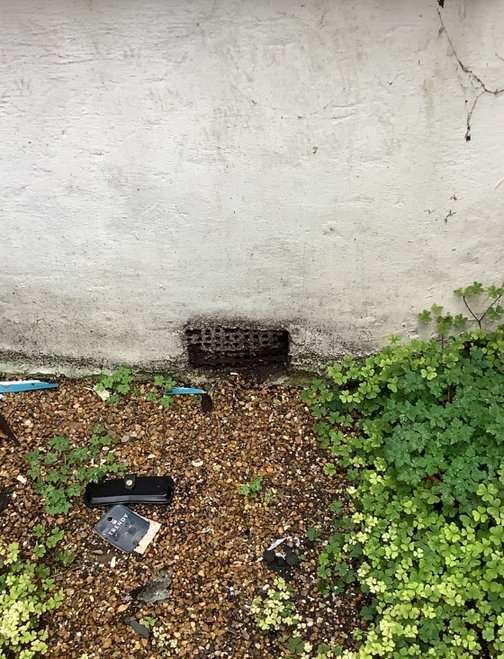
Ground floor flat, Queens Park W10
Raised ground was bridging the DPC. A linear ACO drain and damp proofing avoided digging out the whole rear area.
Read the case study →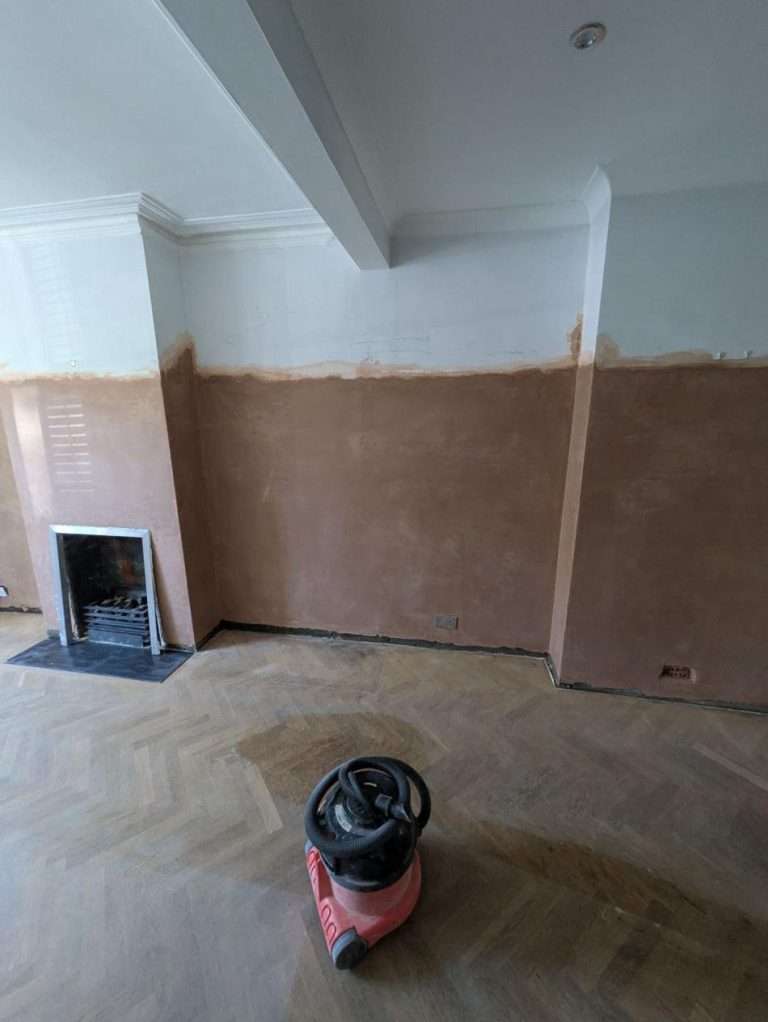
Terraced house, Chiswick W4
Render, cracked brickwork and ventilation put right first, then internal rising damp treatment over six days.
Read the case study →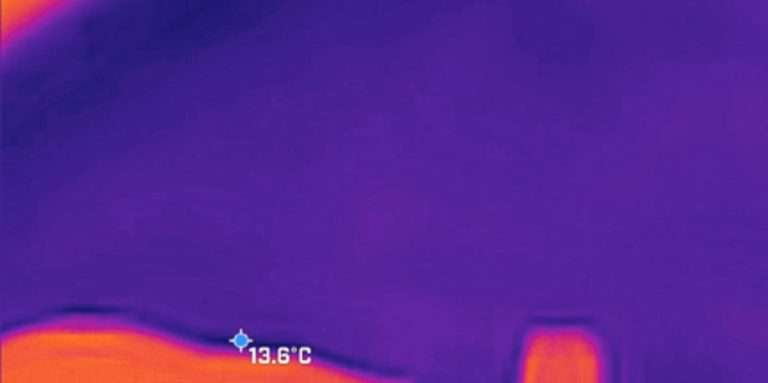
Converted flat, Ealing W5
Black mould in two bedrooms was condensation on cold gable walls, not damp. Passive vents and a thermal wall system dealt with the cause.
Read the case study →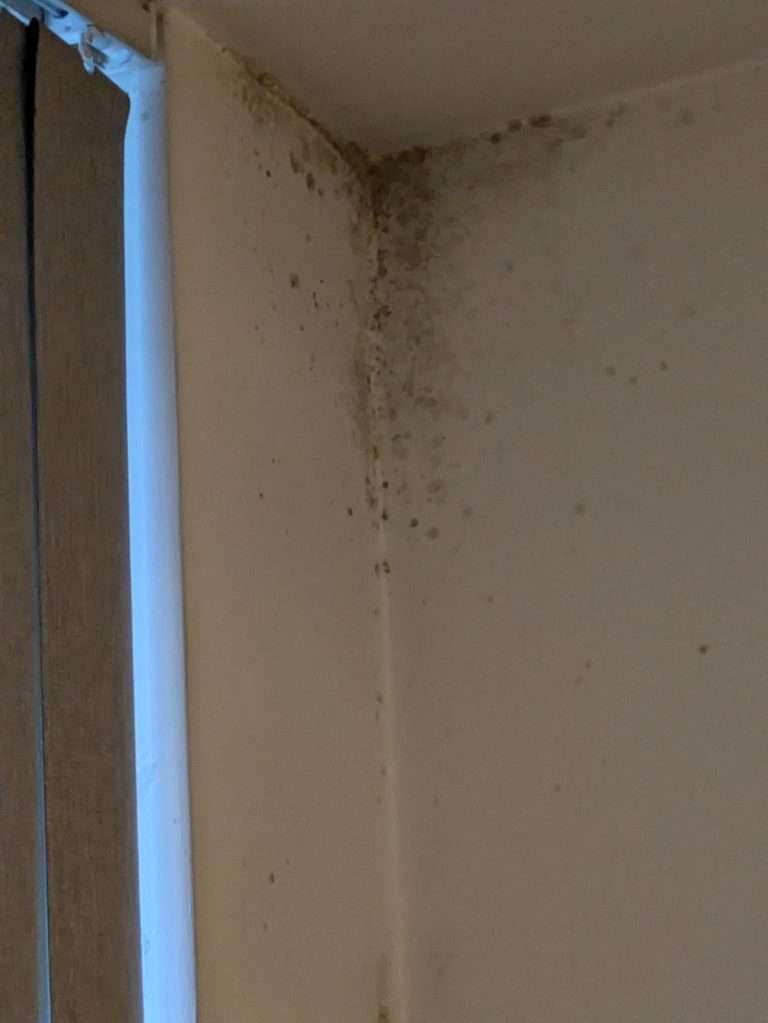
Flat, Edgware HA8
Cold walls against high ground, 80% humidity and ventilation off. Mould clean and wall treatment.
Read the case study →Not sure what is causing your damp?
Damp is easy to misdiagnose. A damp survey in London by a CSSW and CSRT trained specialist finds the real cause first, so you only pay for work that fixes it. We cover West London from our London office.
Book a West London SurveyCall 0300 373 7251- 1. Book online or callPick a time that suits you.
- 2. Surveyor visitsMoisture readings, thermal imaging and a check outside.
- 3. Written reportThe cause, photos and the recommended fix, with no obligation.
Areas we cover around West London
Nearby local pages:
Fulham · Hammersmith · Chiswick · Kensington and Chelsea · Ealing · Greenford · Kew · Putney · Twickenham · Teddington · Wembley · Pinner · Ruislip · Northwood · Ickenham · Uxbridge · All locations
Our nearest office: 45 Fitzroy Street, London W1T 6EB. Call 0300 373 7251.
What affects the cost of damp treatment
Every property is different, so we price work after the survey with a fixed written specification. The main factors are the type and cause of the damp, how much wall or floor area is affected, whether plaster needs replacing, access, and the finishes that need reinstating.
Rising damp
A new chemical damp proof course with replastering typically starts from £500 to £800 for a small wall section.
Penetrating damp and condensation
Often the most affordable to fix once the source is found, such as gutter repairs, repointing or improved ventilation.
Basement waterproofing
Systems designed to BS 8102 typically start from £3,500 for a small cellar, depending on size and system type.
Damp proofing West London: FAQs
Do you cover all of West London?
Yes. We cover the boroughs of Hammersmith and Fulham, Kensington and Chelsea, Ealing, Hounslow, Richmond, Brent, Harrow and Hillingdon, including Fulham, Hammersmith, Chiswick, Ealing, Putney, Twickenham, Wembley, Ruislip and Uxbridge. Our London office is in W1, so most West London surveys can be booked within a few working days.
Why is damp so common in West London period homes?
Most West London houses built before 1920 have solid brick walls with no cavity and an original damp proof course that has aged or been bridged. Rain, ground moisture and condensation all affect these walls more than modern construction. A survey identifies which of these is causing your damp.
Can cavity wall insulation cause damp in a 1930s house?
It can. If insulation was installed in a cavity exposed to driving rain, or the cavity was dirty or bridged, moisture can track across to the inner wall. The signs are damp patches on outside walls that get worse in wet, windy weather. A survey with moisture readings and a borescope check confirms the cause.
Do you waterproof basements in West London as well as damp proofing?
Yes. We design and install basement and cellar waterproofing across West London, including Fulham, Chiswick, Kensington and Chelsea, Notting Hill and Putney. See our London basement waterproofing page for more on how those systems work.
What happens at a damp survey in West London?
A CSSW and CSRT trained surveyor inspects the affected areas, takes moisture readings, checks the outside of the building and looks for the source of the damp. You receive a written report with photos, the cause, the recommended treatment and the next steps.
Get the cause of your damp found and fixed
Non-invasive survey with a clear written report. No obligation.
Book a SurveyCall 0300 373 7251