 Proud member of the Federation of Damp

Stopping Condensation and Black Mould in a Converted Flat, Ealing W5
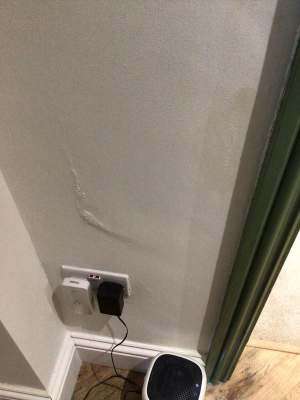
Black mould kept returning in both second floor bedrooms of a converted flat in Ealing. The survey showed the walls were not letting water in at all: the mould was caused by condensation forming on cold gable walls.
Project at a Glance
The Brief
The owner had black mould in both second floor bedrooms and wanted to know whether the walls were letting in damp from outside.
The Survey
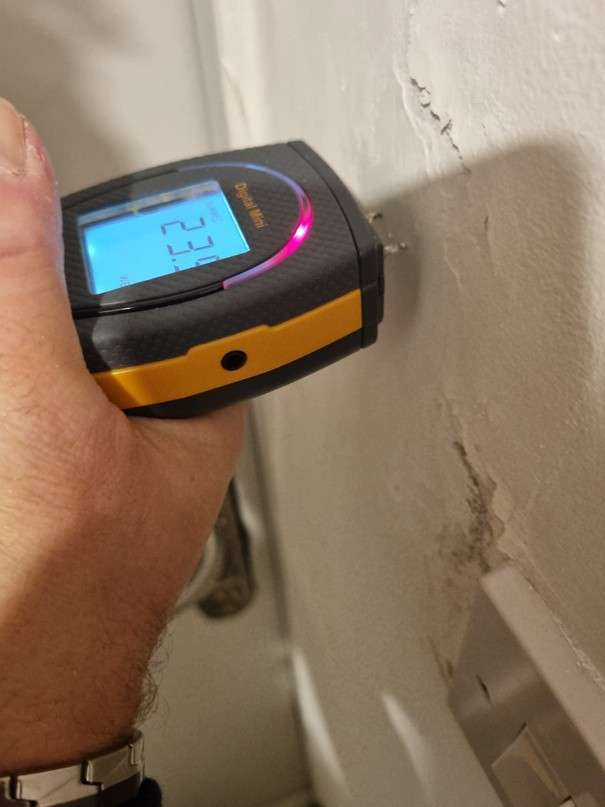
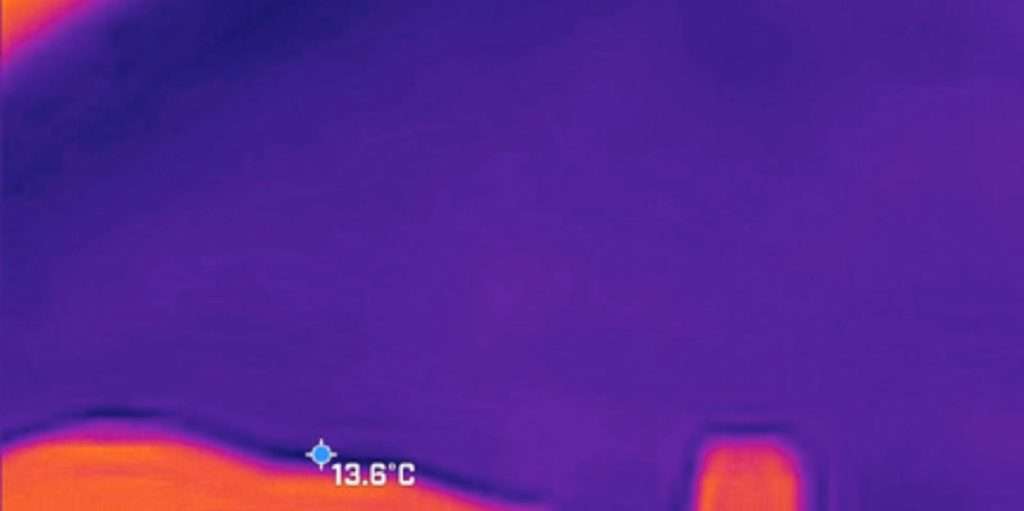
The house was built around 1910 and later converted into three flats. Our surveyor checked the bedroom walls with moisture readings and thermal imaging and found no penetrating damp, so the outside of the building was sound.
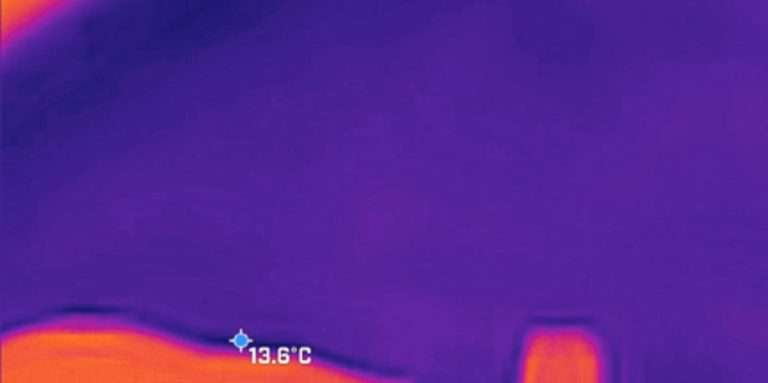
The affected walls are solid brick gable ends, which are more exposed and colder than the other walls, and the windows had no trickle vents. Moisture from everyday living, including sleeping and drying clothes indoors, was condensing on those cold surfaces. The thermal images showed the cold areas clearly, confirming the diagnosis.
The Solution
The treatment targeted the cause, cold walls and poor ventilation, rather than the mould itself.
- A passive vent fitted high on the gable wall in each bedroom, giving continuous background ventilation.
- An Isotherm thermal wall treatment on the outside facing walls, finished with a skim coat, to raise the wall surface temperature so condensation is far less likely to form.
- Practical advice on airing rooms, drying clothes and keeping steady background heating in colder months.
The Work
The work took four days and was signed off by the owner on completion.
The Result
With warmer walls and a steady change of air, the conditions that let mould grow have been removed. No damp proofing was needed, which is why a survey matters: injecting the walls would not have helped. Read more about condensation and mould removal, or see our page on damp proofing in Ealing.
Frequently Asked Questions
How can I tell if mould is caused by condensation or damp?
Condensation mould usually appears on cold outside walls, in corners and around windows, and gets worse in winter. Damp from outside or below tends to show as staining, salts or tide marks. Moisture readings and thermal imaging confirm which it is.
What is a thermal wall treatment?
A thin insulating layer applied to the inside of a cold outside wall and finished with plaster. It warms the wall surface so moisture in the air does not condense on it.
Will a passive vent make the room cold?
A passive vent provides a small, constant change of air. Together with steady background heating it lowers humidity without noticeably cooling the room.
Mould that keeps coming back?
Our CSSW and CSRT trained surveyors find the real cause before recommending any work. Non-invasive survey with a clear written report. No obligation.
Survey carried out by Lionel Sewell (FODCS) at Advanced Damp. Project completed in Ealing, W5.

Sam Fitzgerald is the founder of Advanced Damp and a working damp and structural waterproofing surveyor diagnosing and treating moisture problems in residential and commercial properties across London and the South East. He is FODCS certified (a Federation of Damp Certified Surveyor) and a member of the Federation of Damp. His hands-on work covers rising damp, penetrating damp, condensation, basement waterproofing to BS 8102, and thermal imaging surveys, and he has personally completed over 400 damp surveys across properties of every type and age. Everything he writes draws directly from jobs he has carried out. He does not write about treatments, products or causes he has not dealt with first-hand in the field.