 Proud member of the Federation of Damp

Rising Damp Treatment with External Repairs First on Swanscombe Road, Chiswick W4
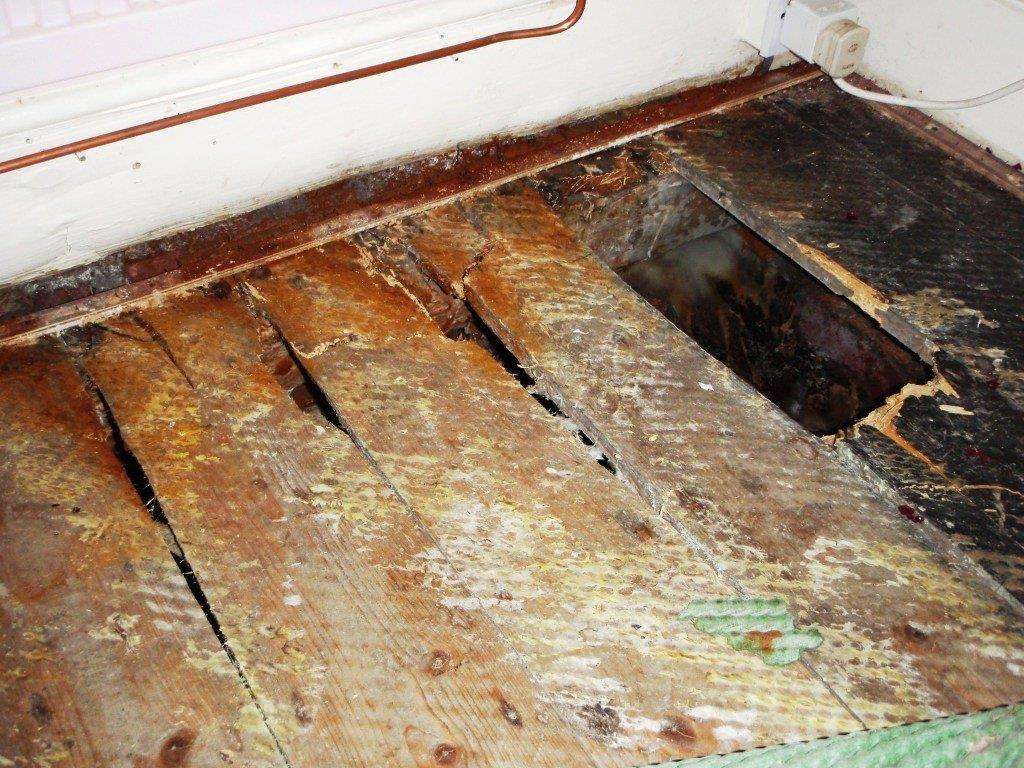
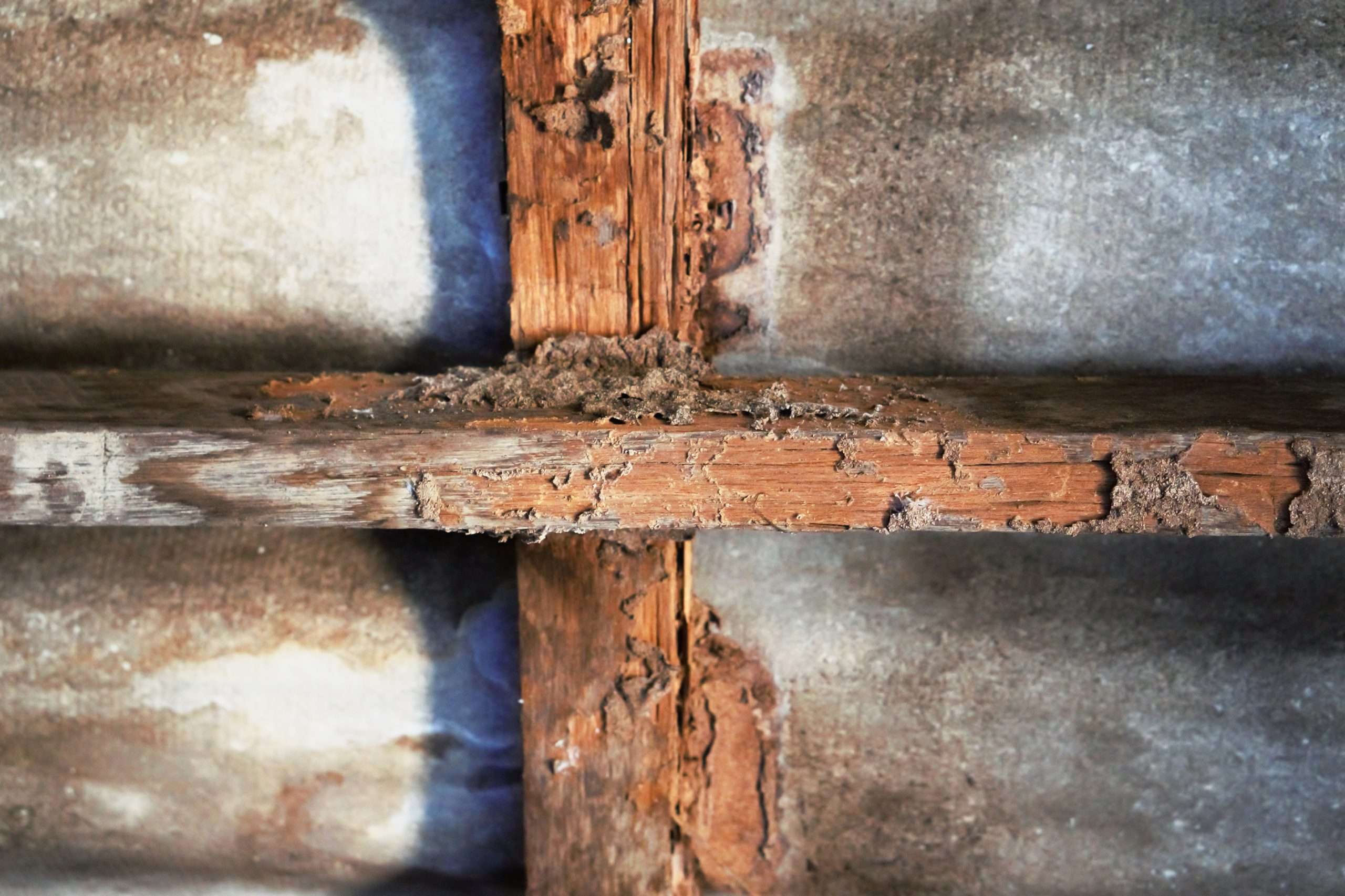
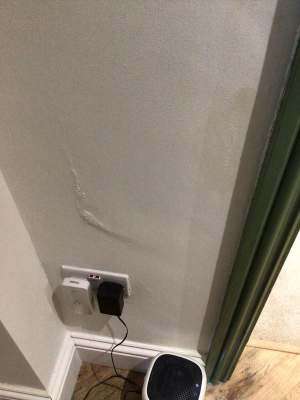
A house on Swanscombe Road in Chiswick had rising damp caused by a mix of external and internal factors. The plan put external repairs first so the building was watertight before any internal treatment.
Project at a Glance
The Brief
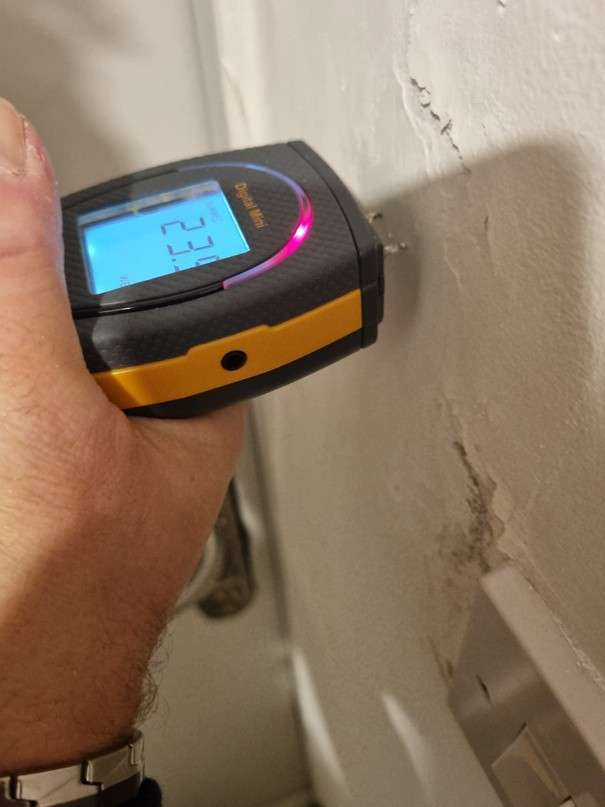
A damp survey by another company had found rising damp. The owner asked Advanced Damp to assess it and carry out the work.
The Survey
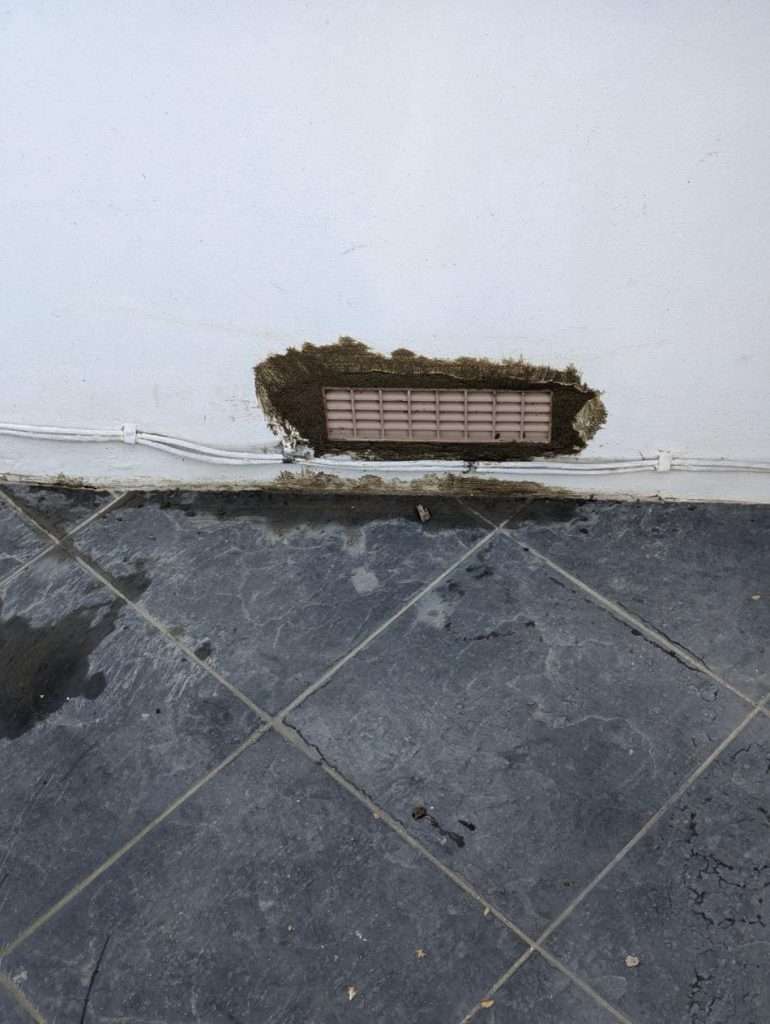
The brief set out that external repairs were essential as a first stage. The rendered plinth was cracked, some brickwork was cracked and needed structural stitching with helical bar, and the floor to wall junction outside was defective. More sub floor ventilation was needed at the front, with two additional air bricks within 1.5 metres of the existing central one.
By the time of our assessment, the council had lowered and retarred the pavement, which had previously been raised, and the wall to floor junction had been sealed, so an external fillet was no longer needed.
The Solution
A staged plan:
- Repair the rendered plinth and the cracked brickwork.
- Improve sub floor ventilation at the front.
- Allow around two weeks of controlled dehumidification to dry the walls.
- Then carry out internal rising damp treatment.
The Work
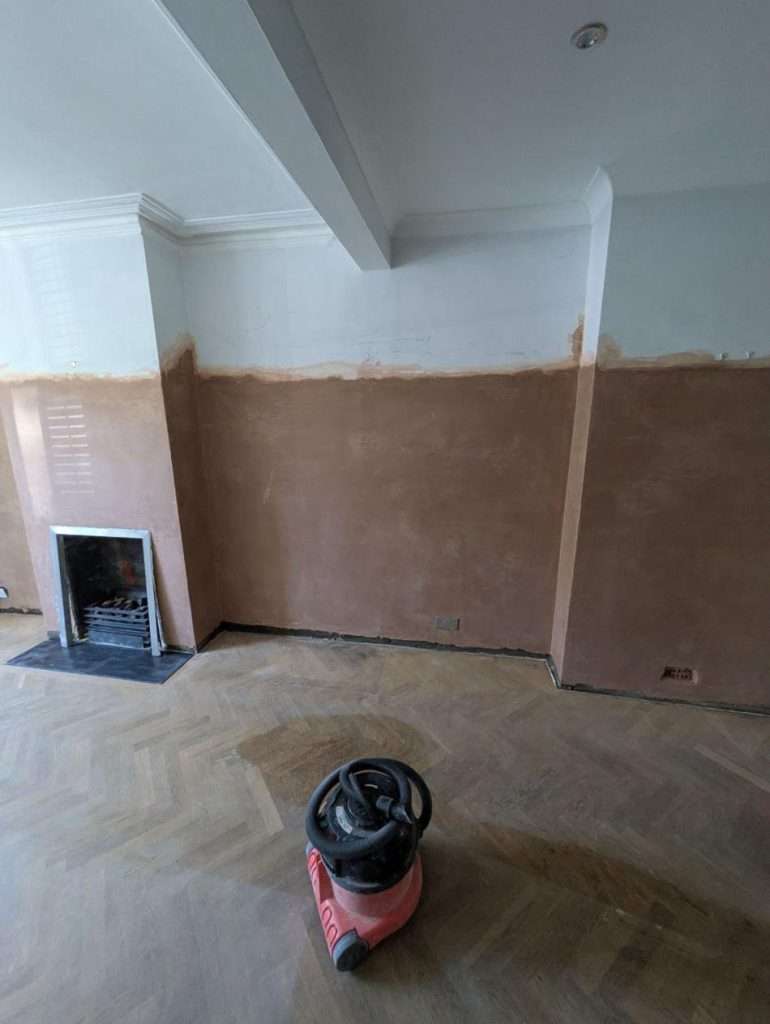
Advanced Damp completed the external render and damp proofing works to plan over six days.
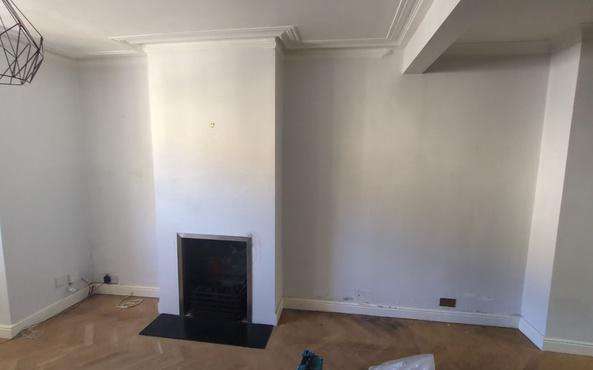
The Result
Getting the outside right first meant the internal damp proofing went into walls that were no longer being fed with water. Victorian terraces around Chiswick and Turnham Green often have raised pavements and cracked plinths like this. See our page on damp proofing in Chiswick.
Frequently Asked Questions
Why fix the outside before treating rising damp?
If rain and surface water keep getting into the base of the wall, internal treatment cannot do its job. External repairs make the building watertight first.
What is helical bar stitching?
Stainless steel bars set into the mortar joints across a crack to tie the brickwork back together.
Why dry the walls before damp proofing?
Controlled drying reduces the moisture already in the wall, giving the new treatment and finishes the best start.
Damp in a Chiswick terrace?
Our CSSW and CSRT trained surveyors find the real cause before recommending any work. Non-invasive survey with a clear written report. No obligation.
Survey carried out by Lionel Sewell (FODCS) at Advanced Damp. Project completed in Chiswick, W4.
Sam Fitzgerald is the founder of Advanced Damp and a working damp and structural waterproofing surveyor diagnosing and treating moisture problems in residential and commercial properties across London and the South East. He is FODCS certified (a Federation of Damp Certified Surveyor) and a member of the Federation of Damp. His hands-on work covers rising damp, penetrating damp, condensation, basement waterproofing to BS 8102, and thermal imaging surveys, and he has personally completed over 400 damp surveys across properties of every type and age. Everything he writes draws directly from jobs he has carried out. He does not write about treatments, products or causes he has not dealt with first-hand in the field.