Lower Ground Floor Damp in a House on Vanbrugh Park, Blackheath SE3
A four storey semi detached house on Vanbrugh Park in Blackheath had localised damp in its lower ground floor reception room. The pattern pointed to water coming in from outside, not rising damp.
Project at a Glance
The Brief
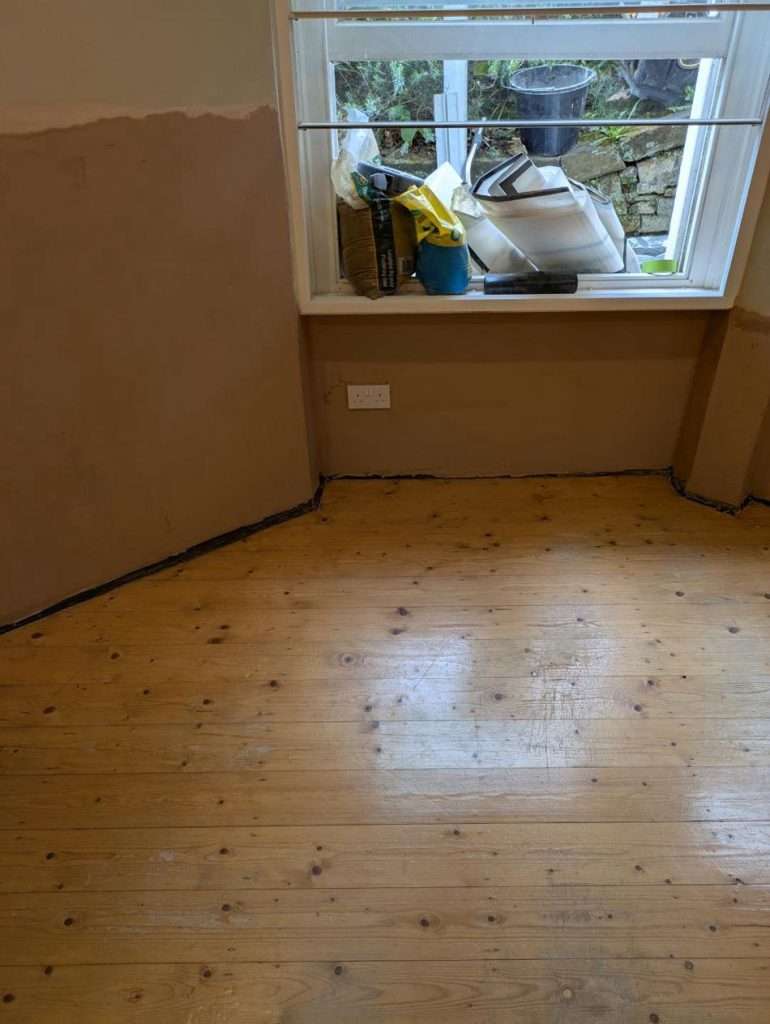
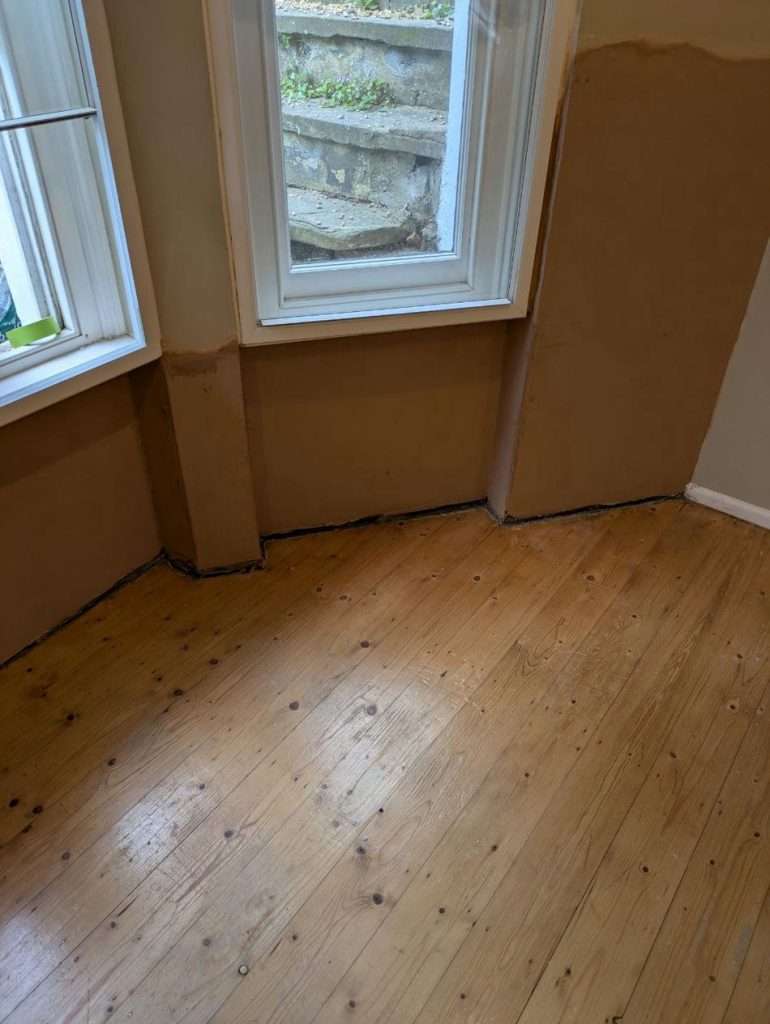
The owners had damp in the lower ground reception room and were also planning underfloor heating there.
The Survey
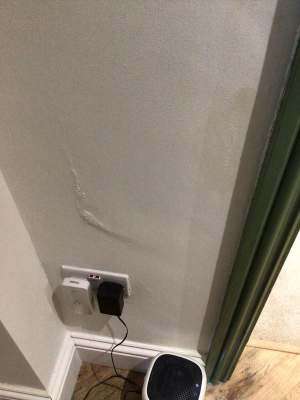
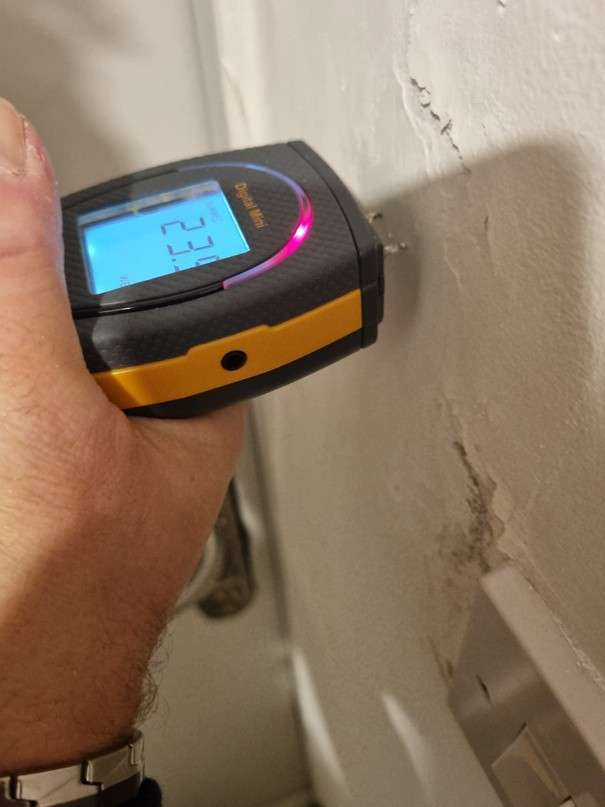
All other areas of the house read dry, with only historic staining. In the reception room, the pattern and location of the readings were not consistent with rising damp, but typical of lateral penetrating damp.
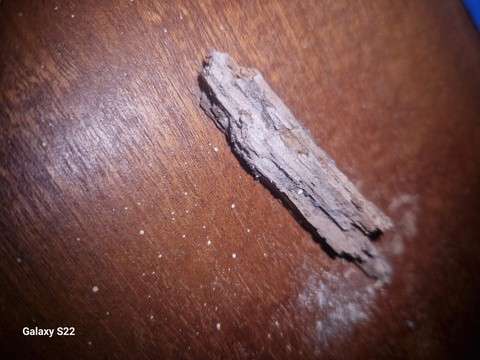
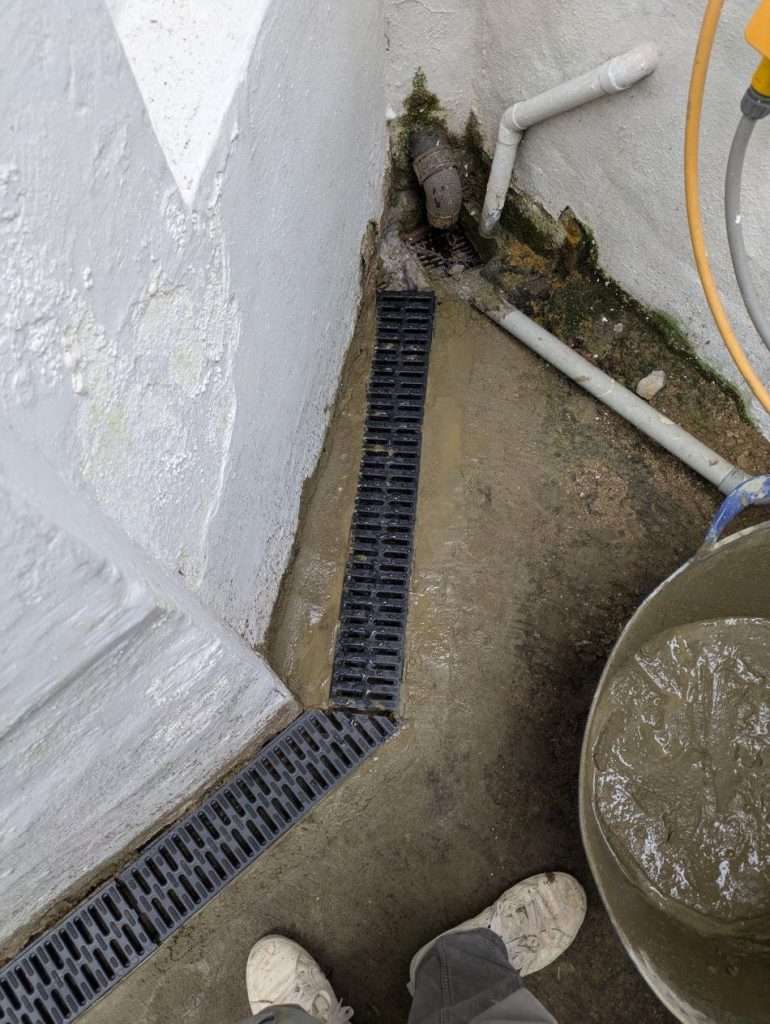
Outside the front, there was no effective drainage at the lower open ground level, the open concrete floor was bridging the perimeter wall, the fillet seals at the stair to wall junction had deteriorated, and the existing air brick was mostly painted over, restricting airflow to the sub floor.
The Solution
Deal with the water outside and treat the wall inside:
- Install an ACO drainage channel at the lower ground level.
- Damp proof the affected reception room walls.
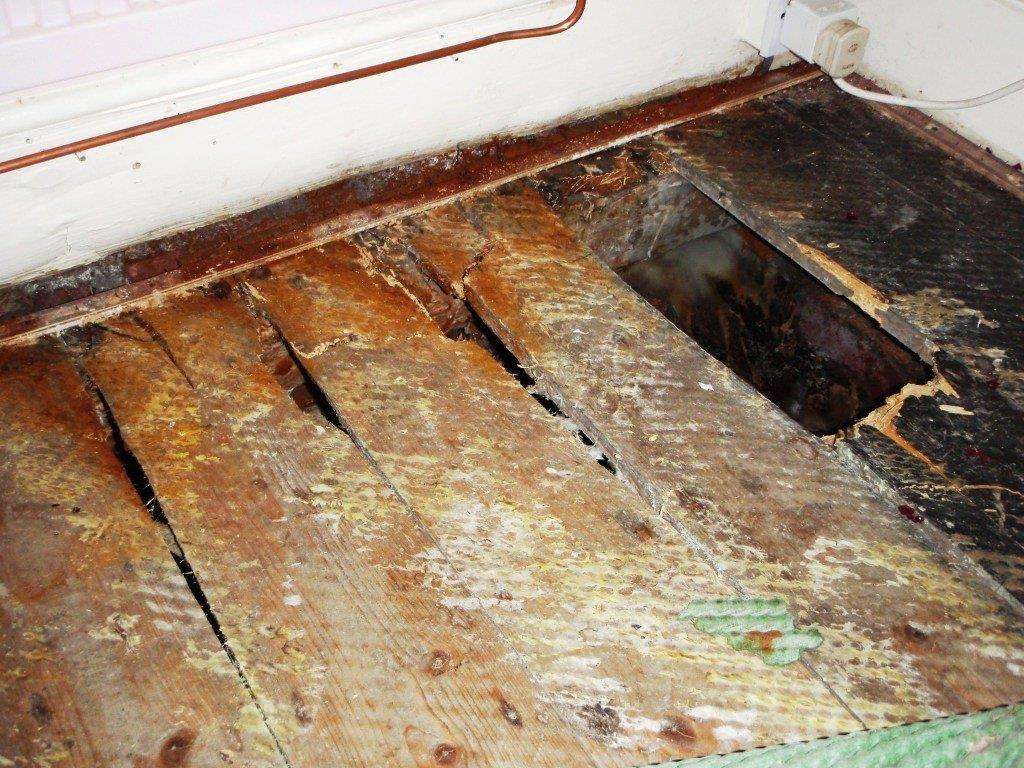
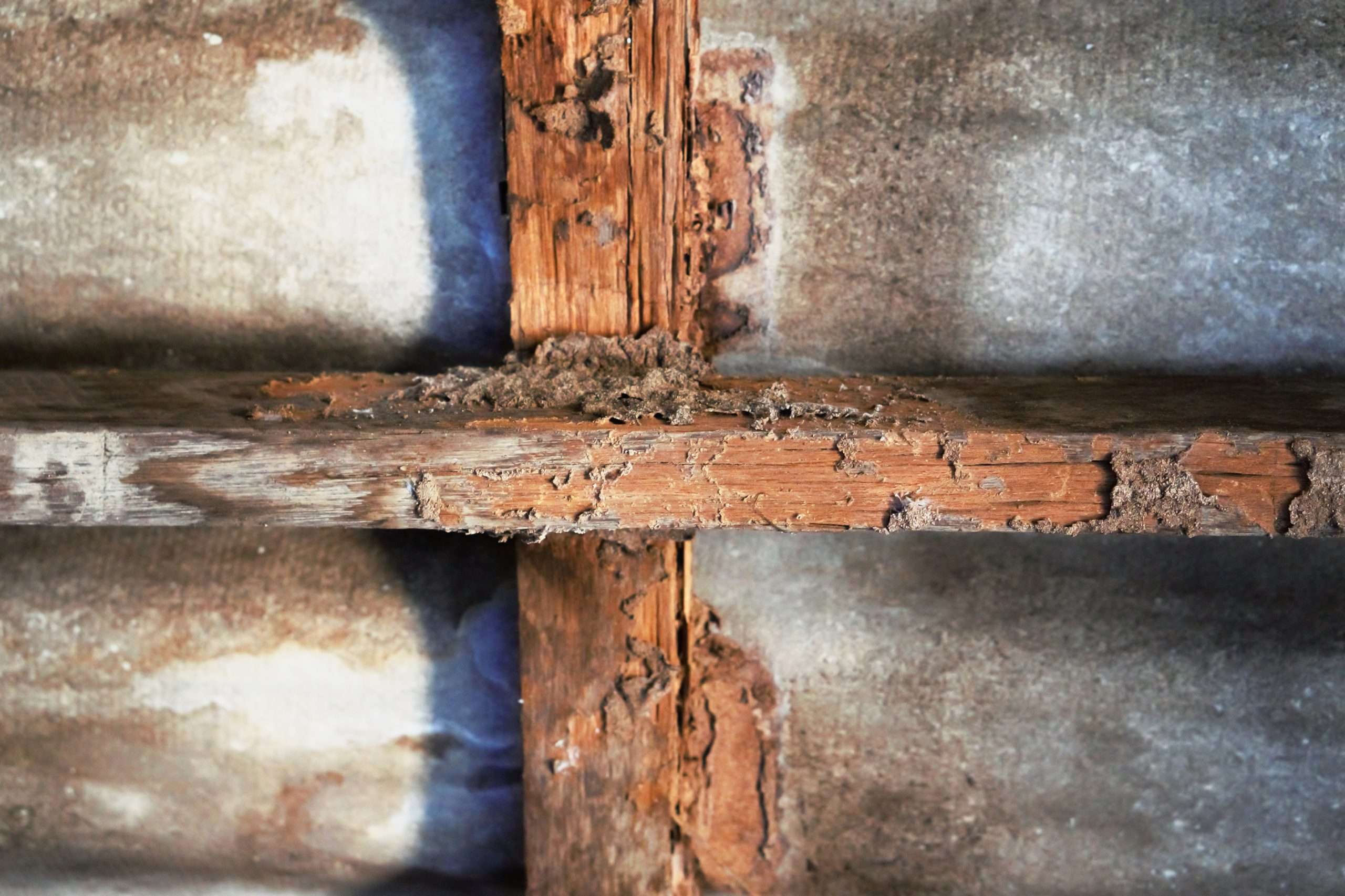
- Have the flooring contractor check the sub floor joists when the floor is lifted for underfloor heating.
The Work
The drainage and damp proofing work was carried out over six days in May 2026. Treated walls need five to six weeks to cure before redecorating.
The Result
With drainage at the base of the wall, the lower ground floor is no longer fed by standing water outside. See our page on damp proofing in south London.
Frequently Asked Questions
Is damp in a lower ground floor always rising damp?
No. Here the pattern pointed to water coming sideways through the wall from poor drainage outside.
Why does drainage matter for a basement level room?
Without drainage, rainwater sits against the base of the wall and soaks through. A channel carries it away.
How long before I can decorate after damp proofing?
Usually five to six weeks, so the new render and plaster can cure.
Damp in a lower ground floor?
Our CSSW and CSRT trained surveyors find the real cause before recommending any work. Non-invasive survey with a clear written report. No obligation.
Survey carried out by Lionel Sewell (FODCS) at Advanced Damp. Project completed in Blackheath, SE3.
Sam Fitzgerald is the founder of Advanced Damp and a working damp and structural waterproofing surveyor diagnosing and treating moisture problems in residential and commercial properties across London and the South East. He is FODCS certified (a Federation of Damp Certified Surveyor) and a member of the Federation of Damp. His hands-on work covers rising damp, penetrating damp, condensation, basement waterproofing to BS 8102, and thermal imaging surveys, and he has personally completed over 400 damp surveys across properties of every type and age. Everything he writes draws directly from jobs he has carried out. He does not write about treatments, products or causes he has not dealt with first-hand in the field.