
Damp Proofing South London
Survey-led damp proofing, waterproofing and timber treatment for homes and commercial buildings across South London (SW and SE). We find the real cause of the damp before recommending any work.
Book a damp survey in South London
Non-invasive survey with a clear written report. No obligation.
Book a SurveyCall 0300 373 7251


Damp in South London properties
South London stretches from the riverside at Battersea and Vauxhall through Clapham, Brixton and Balham to Dulwich, Streatham and Wimbledon. Most of its housing went up in the Victorian and Edwardian building boom that followed the railways, which means streets of solid walled terraces, large family houses and plenty of conversions into flats. Damp problems follow the age of the houses and the ground they stand on.
Close to the Thames, Battersea, Nine Elms and Vauxhall sit on low ground that was once marsh and market garden. River gravels and alluvium carry a high water table that moves with the river. Cellars and lower ground floors here often take on water, and older riverside terraces show more rising damp than streets on higher ground.
Further south, much of the area sits on London Clay, often covered by patches of river terrace gravel. Rain drains quickly through the gravel and then sits on the clay, forming a perched water level at about the depth of a cellar floor. That is why so many Clapham and Wandsworth cellars are dry in summer and wet in winter, and why owners are surprised the first time it happens.
South London has several lost rivers. The Effra rose near Norwood and ran through Dulwich and Herne Hill towards Brixton and Vauxhall. The Falcon Brook drained the area around Balham and the commons down through Battersea. The Wandle still runs through Wimbledon and Wandsworth to the Thames. Streets along their old valleys often have wetter ground and collect water after storms.
In the Victorian terraces, rising damp is one of the most common problems we see. Original slate or bitumen damp proof courses break down over time and are often bridged by raised front paths, rear patios and rendered plinths. The result is tide marks, salt staining and crumbling plaster along the bottom of ground floor walls, especially in hallways and front rooms.
Penetrating damp is just as common. Bay roofs, parapet walls, valley gutters and chimney stacks let rain into solid brick walls when flashings fail or gutters block. Chimney breasts are a frequent source of brown stains where flues were sealed without being capped and vented. We trace leaks with moisture readings and thermal imaging before recommending any work.
Under the floors, most Victorian and Edwardian houses in South London have suspended timber floors that rely on air bricks. Rear extensions and raised patios often block that airflow, and damp joists and wet rot develop out of sight. Basement and cellar conversions are also very common between the commons and in Clapham, Wandsworth and Dulwich, and they need waterproofing designed to BS 8102.
South London also has many large Edwardian houses in Wimbledon, Streatham Hill and Dulwich with deep bay windows, tiled porches and decorative render. These details look good but trap water when they crack or lose their pointing, and the damage often shows inside around bay windows and porch walls. Repairing the outside first, then letting the walls dry before replastering, gives a lasting result.
Converted flats and mansion blocks across Brixton, Streatham, Balham and Tooting bring condensation and black mould, especially in lower ground floor flats and small bathrooms without extraction. Most of these cases are fixed by better ventilation rather than chemical treatment, and we measure the walls first to rule out rising or penetrating damp.
South London covers the boroughs of Lambeth, Wandsworth, Southwark and Merton, with many conservation areas. Internal damp treatments rarely need planning permission. Every survey is carried out by a CSSW and CSRT trained specialist, and you receive a written report with photos, the cause and the recommended fix.
Our services in South London
Rising damp treatment
Chemical damp proof courses and breathable replastering where the survey confirms rising damp.
Penetrating damp
Tracing and fixing water getting in through walls, roofs, gutters and windows.
Condensation and mould
Ventilation and moisture control to stop black mould coming back.
Basement waterproofing
Cavity drain membrane and tanking systems designed to BS 8102:2022.
Timber treatment
Dry rot, wet rot and woodworm diagnosis and treatment.
Damp surveys
Non-invasive survey with a clear written report. No obligation.


Signs of damp
- Tide marks or staining low on walls
- Peeling paint, bubbling plaster or white salts
- A musty smell in rooms, cupboards or cellars
- Black mould on walls, ceilings or window reveals
- Soft or decaying skirting boards and floor timbers
How we work
What our customers say
Lionel was great. Arrived on time, had a good look at the problem and advised exactly what the issue was. Very friendly and helpful, a pleasure to deal with and clearly an expert in his field.Paul J., Google review
We had damp proofing work carried out recently and I'm really pleased. The team were friendly, professional and explained everything clearly before starting. Work was done efficiently and the property left clean and tidy. The issue now seems completely resolved.Charlotte, Trustpilot review
We called Advanced Damp after noticing a musty smell in our living room. They did a damp survey and explained everything really clearly. Really glad we went with them, great service.George F., Google review
Recent Work Near South London
Our recent work close to South London includes lower ground floor, Blackheath SE3; front bay, Brockley SE4; below ground garage, Epsom KT17; first floor flat, Brixton SW9; front bay, Wimbledon SW19 and lower ground flat, Wandsworth SW18. Each case study sets out what the survey found and how the problem was fixed.
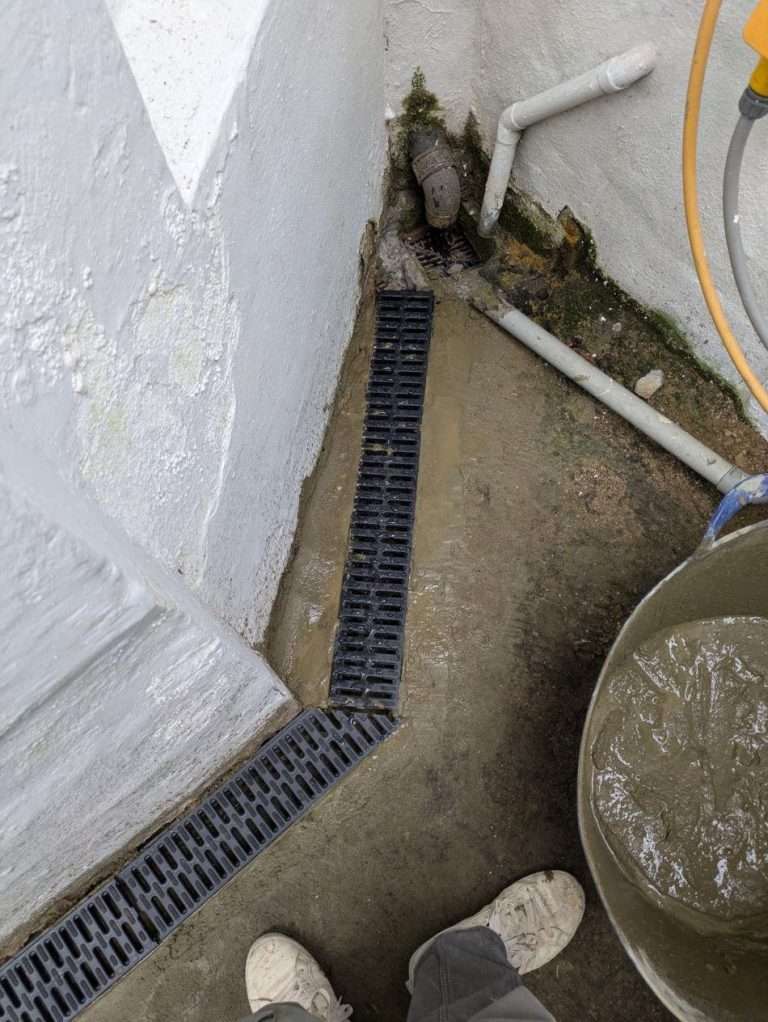
Lower ground floor, Blackheath SE3
Lateral damp from poor drainage and bridging. ACO drain installed and the reception room walls treated.
Read the case study →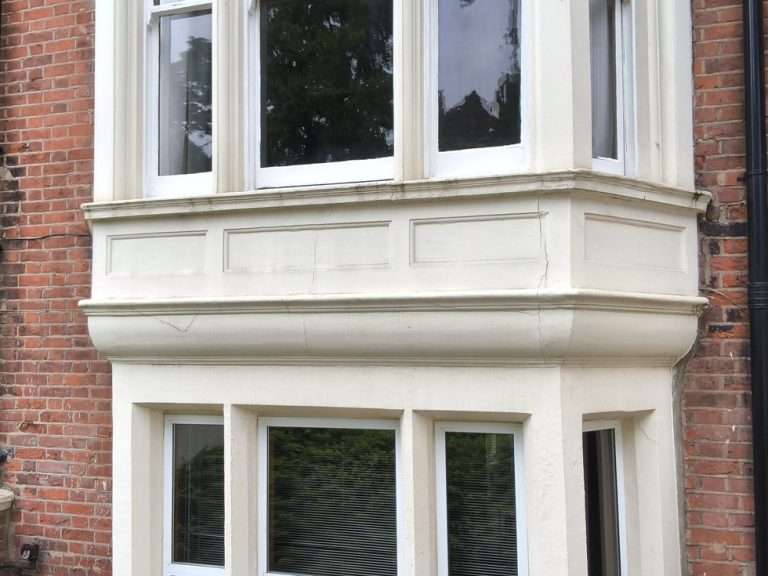
Front bay, Brockley SE4
Cracked render and failed pointing around a bay, plus a utility room with a broken fan. Render and repointing.
Read the case study →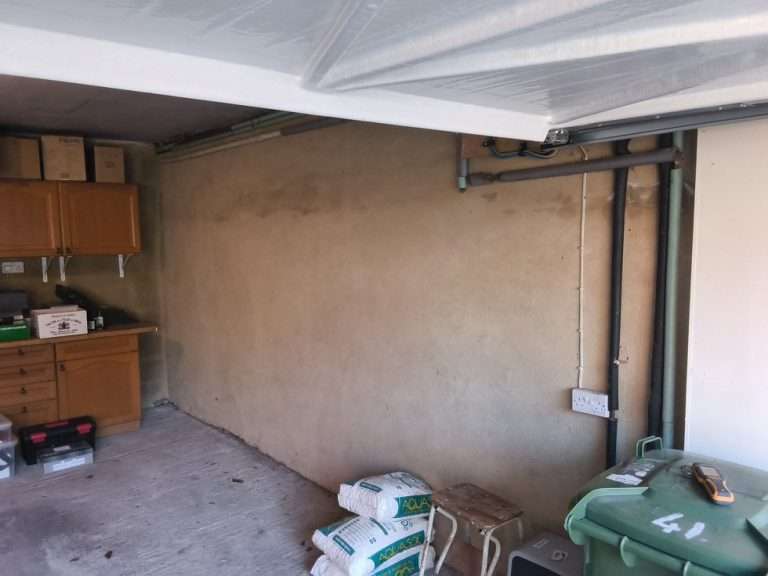
Below ground garage, Epsom KT17
A band of damp traced to cracked paving and pointing above. The earlier cavity drain system was still intact.
Read the case study →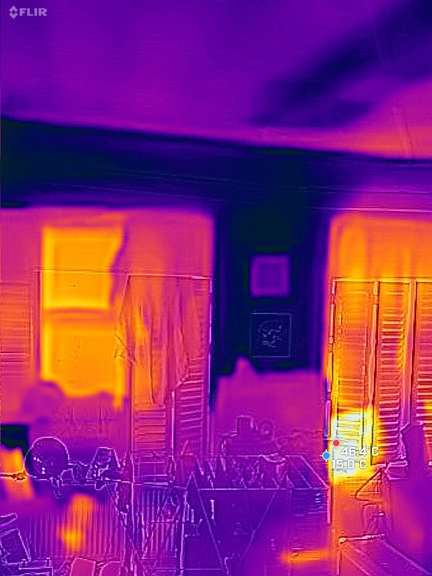
First floor flat, Brixton SW9
Thermal imaging found cold external walls behind recurring black mould. Isotherm insulation and electrical works followed.
Read the case study →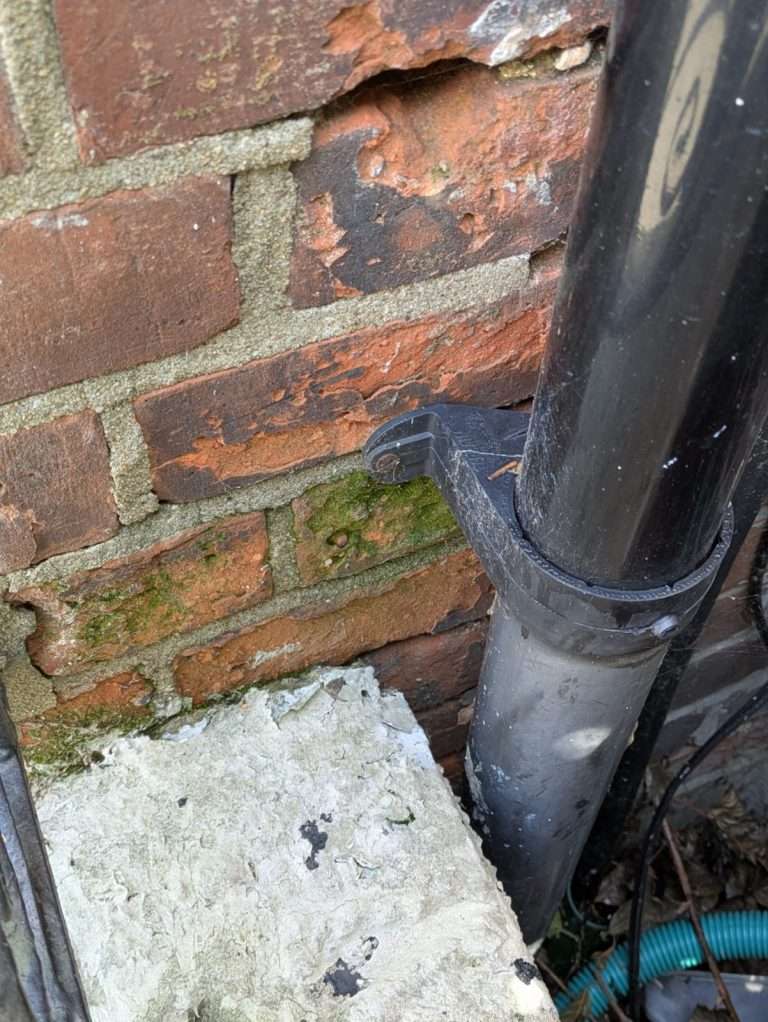
Front bay, Wimbledon SW19
New damp above an older treatment, traced to open joints and damaged brick by a downpipe. Localised tanking repair.
Read the case study →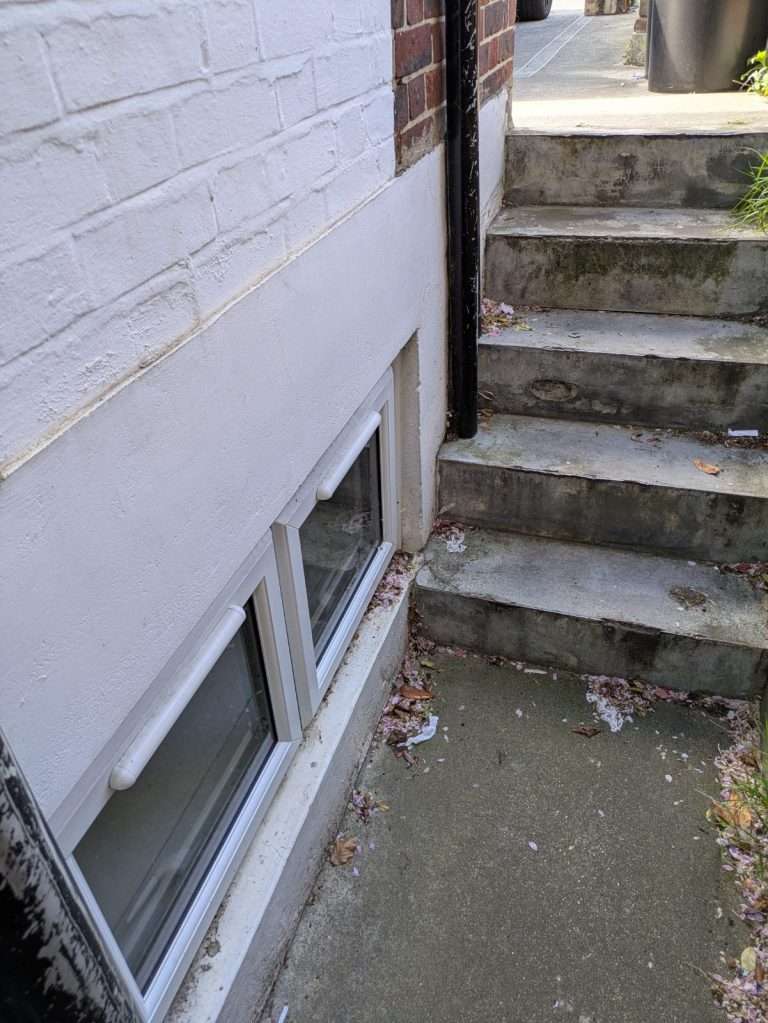
Lower ground flat, Wandsworth SW18
Bedroom mould from condensation and groundwater. Type C waterproofing, smart fans and a mould wash.
Read the case study →Not sure what is causing your damp?
Damp is easy to misdiagnose. A London damp survey by a CSSW and CSRT trained specialist finds the real cause first, so you only pay for work that fixes it. We cover South London from our London office.
Book a South London SurveyCall 0300 373 7251- 1. Book online or callPick a time that suits you.
- 2. Surveyor visitsMoisture readings, thermal imaging and a check outside.
- 3. Written reportThe cause, photos and the recommended fix, with no obligation.
Areas we cover around South London
Nearby local pages:
Clapham · Brixton · Balham · Wandsworth · Battersea · Wimbledon · Dulwich · Vauxhall · Putney · Surbiton · Basement waterproofing Clapham · Basement waterproofing Wandsworth and Battersea · Basement waterproofing Wimbledon · Basement waterproofing Dulwich · All locations
Our nearest office: 45 Fitzroy Street, London W1T 6EB. Call 0300 373 7251.
What affects the cost of damp treatment
Every property is different, so we price work after the survey with a fixed written specification. The main factors are the type and cause of the damp, how much wall or floor area is affected, whether plaster needs replacing, access, and the finishes that need reinstating.
Rising damp
A new chemical damp proof course with replastering typically starts from £500 to £800 for a small wall section.
Penetrating damp and condensation
Often the most affordable to fix once the source is found, such as gutter repairs, repointing or improved ventilation.
Basement waterproofing
Systems designed to BS 8102 typically start from £3,500 for a small cellar, depending on size and system type.
Damp proofing South London: FAQs
Do you cover all of South London?
Yes. We cover Lambeth, Wandsworth, Southwark and Merton, including Battersea, Vauxhall, Clapham, Brixton, Balham, Tooting, Streatham, Putney, Wandsworth, Wimbledon, Dulwich and Herne Hill. Our London office is in W1, so most South London surveys can be booked within a few working days.
Why is my South London cellar dry in summer and wet in winter?
Much of South London has gravel over clay. In winter, rain builds up in the gravel and sits on top of the clay, raising the water level against cellar walls. In summer it drains away. Any waterproofing has to be designed for the winter level.
Is damp worse in South London homes near the Thames?
Homes in Battersea, Nine Elms and Vauxhall sit on low riverside ground with a higher water table, so cellars and ground floors there are more prone to damp. Homes further from the river are more often affected by rising damp, penetrating damp or condensation. The survey checks which applies.
Do you also waterproof basements in South London?
Yes. We design and install basement waterproofing across South London, with dedicated pages for Clapham, Wandsworth and Battersea, Putney, Wimbledon and Dulwich.
What happens at a damp survey in South London?
A CSSW and CSRT trained surveyor inspects the affected areas, takes moisture readings, checks the outside of the building and looks for the source of the damp. You receive a written report with photos, the cause, the recommended treatment and the next steps.
Get the cause of your damp found and fixed
Non-invasive survey with a clear written report. No obligation.
Book a SurveyCall 0300 373 7251