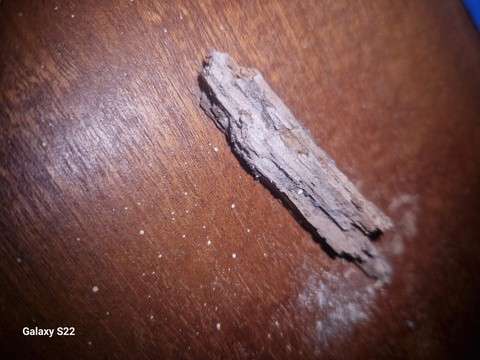
Two Damp Problems at a House on Upper Icknield Way, Princes Risborough HP27
A house of around 100 years old on Upper Icknield Way near Princes Risborough had two separate damp problems: one in a ground floor extension and one on a first floor landing wall.
Project at a Glance
The Brief
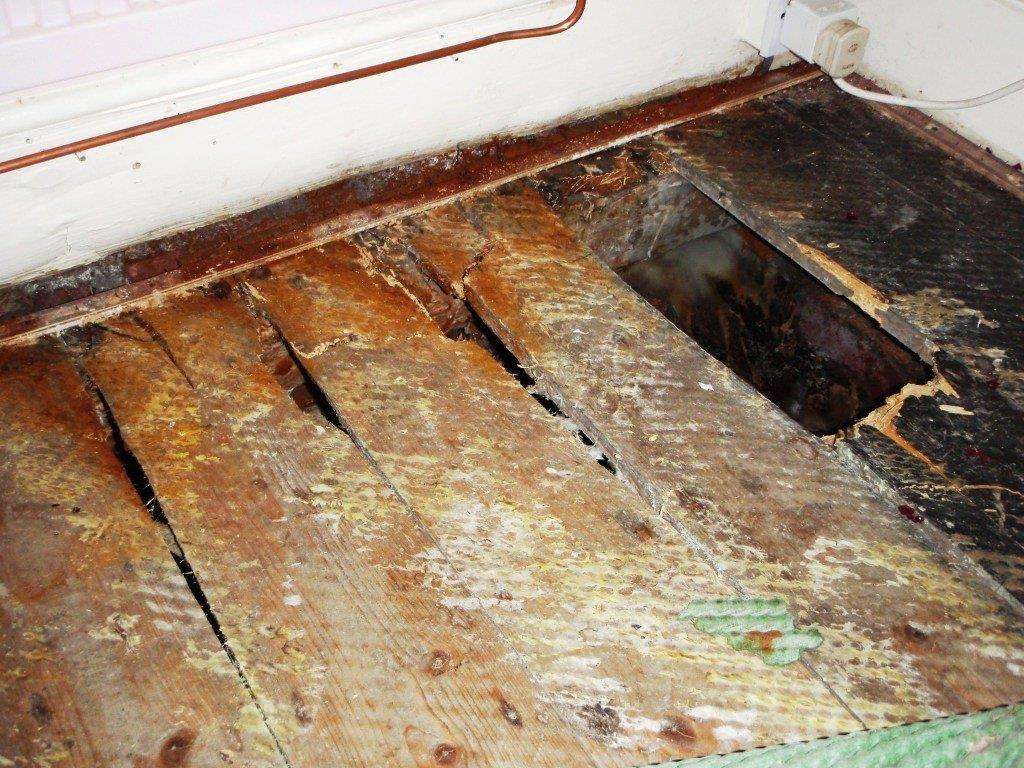
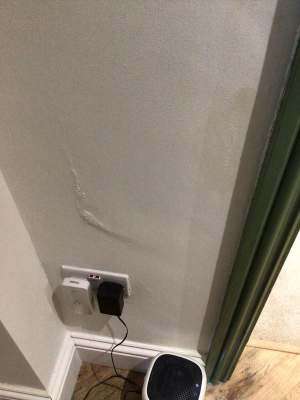
The owners had damp at ground level in an extension built about 25 years ago, which had a damp proof course that appeared to have failed, and a second damp patch on a first floor landing.
The Survey
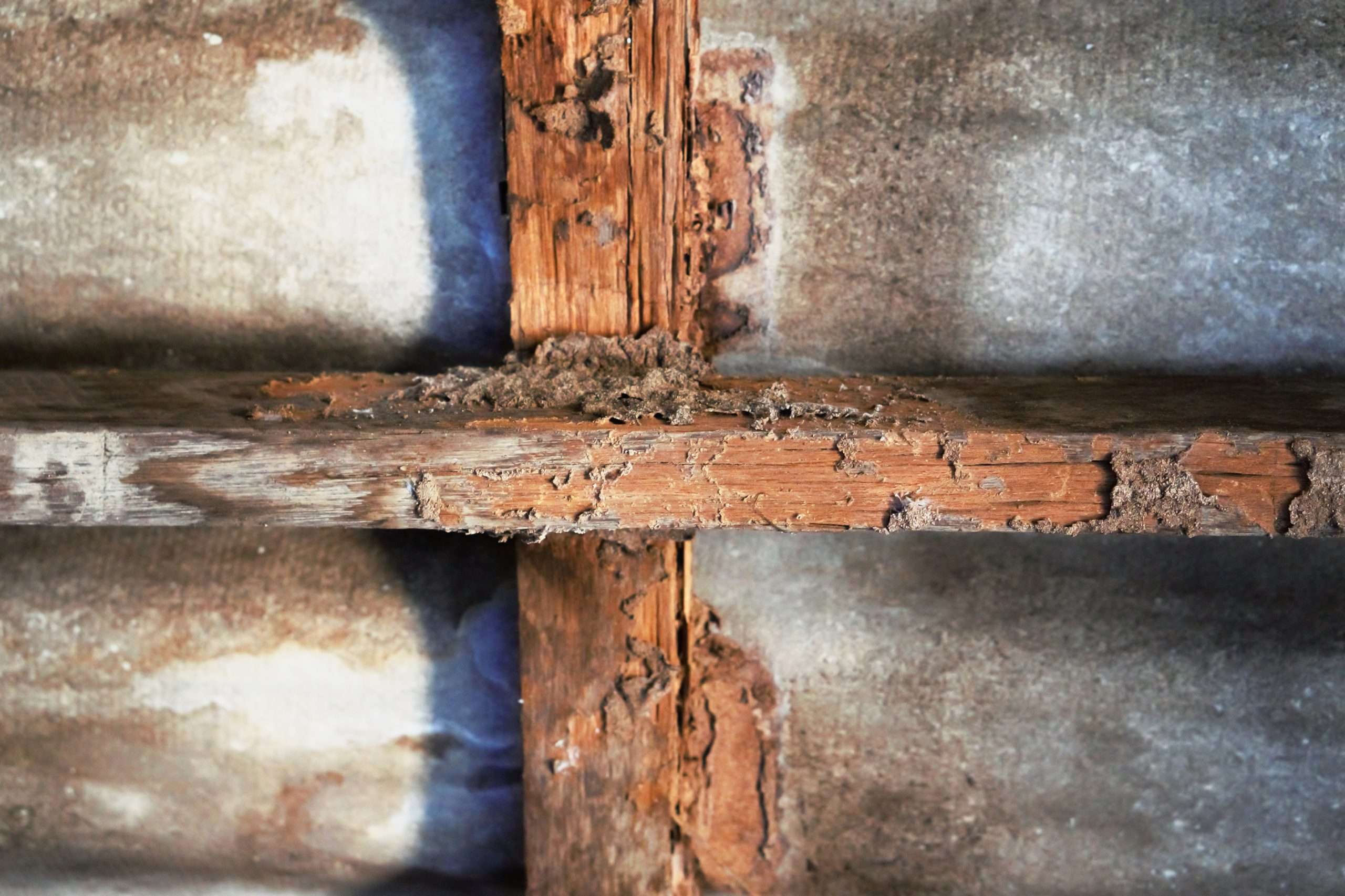
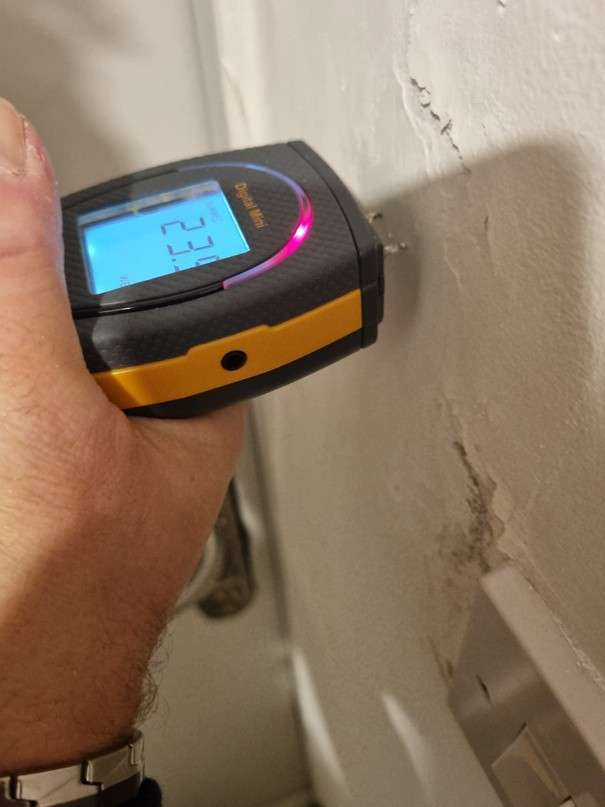
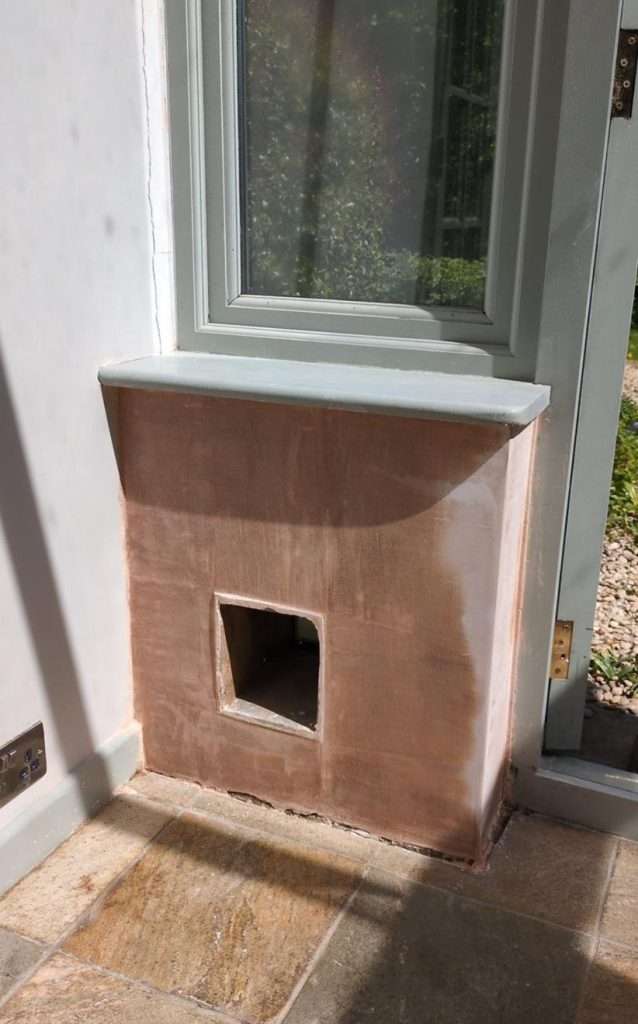
At the mudroom entrance the ground level was fine, but further along the wall dense bushes had raised the ground and were holding moisture against the brickwork, compromising the visible DPC. Rising damp was found around the mudroom doors and the shoe storage area, with high readings, salts and flaking paint.
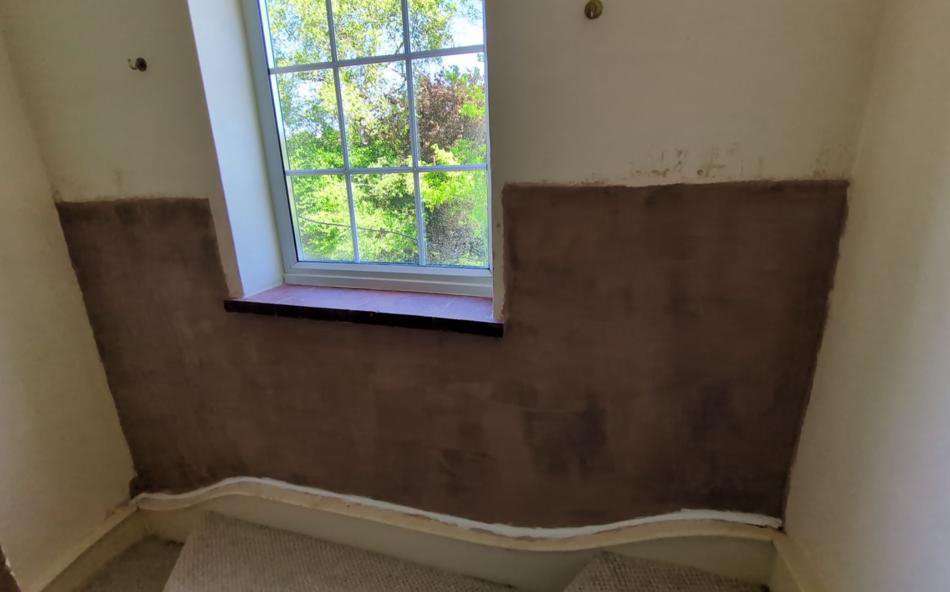
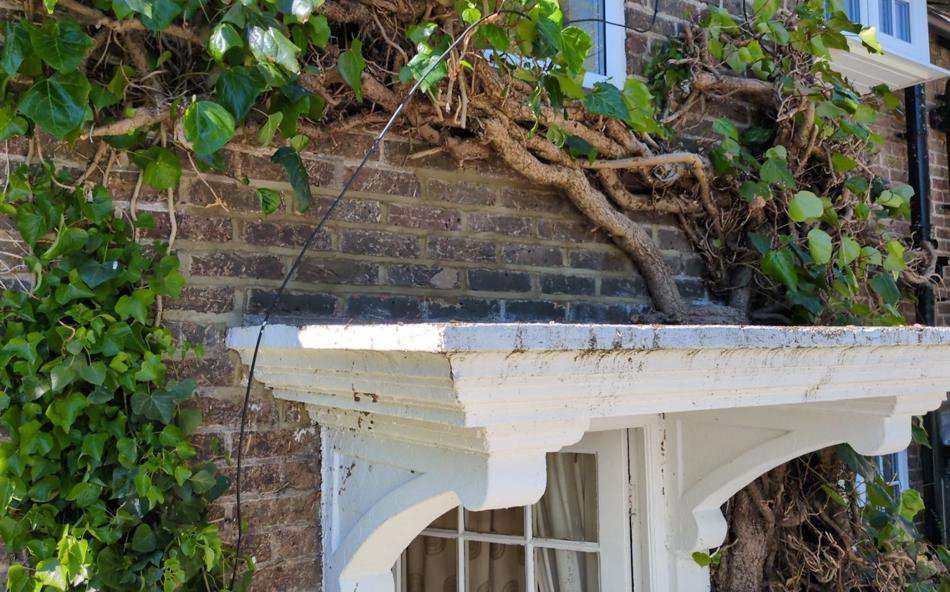
On the front gable, a long established vine covered the wall. Behind the accessible parts, the pointing had deteriorated and was letting rain in. Inside, penetrating damp showed on the second staircase landing wall up to sill height, and thermal imaging matched the moisture pattern.
The Solution
Treat each area for its own cause:
- Cut back the vegetation by the mudroom so the wall can dry.
- Remove damp plaster in the mudroom, render and skim.
- Rake out and repoint the external brickwork where the vine allowed access.
The Work
The internal plastering and external repointing were completed over four days in April 2026.
The Result
Both areas were dealt with at the source. See our Buckinghamshire damp specialist page for more on our work across the county.
Frequently Asked Questions
Can plants against a wall cause damp?
Yes. Dense planting can raise soil levels over the damp proof course and stops the wall drying out, while climbers can hide failing pointing.
Can damp appear upstairs?
Yes. Damp on upper floors is usually penetrating damp from rain getting through pointing, render or roof details, not rising damp.
Should a mature vine be removed?
Not always. Where removal risks damaging the wall, repairing accessible pointing and monitoring is a sensible approach.
More than one damp problem?
Our CSSW and CSRT trained surveyors find the real cause before recommending any work. Non-invasive survey with a clear written report. No obligation.
Survey carried out by Lionel Sewell (FODCS) at Advanced Damp. Project completed near Princes Risborough, HP27.
Sam Fitzgerald is the founder of Advanced Damp and a working damp and structural waterproofing surveyor diagnosing and treating moisture problems in residential and commercial properties across London and the South East. He is FODCS certified (a Federation of Damp Certified Surveyor) and a member of the Federation of Damp. His hands-on work covers rising damp, penetrating damp, condensation, basement waterproofing to BS 8102, and thermal imaging surveys, and he has personally completed over 400 damp surveys across properties of every type and age. Everything he writes draws directly from jobs he has carried out. He does not write about treatments, products or causes he has not dealt with first-hand in the field.