 Proud member of the Federation of Damp


Common Issues Caused by Efflorescence
Key Takeaways:
- Identifying Efflorescence and its Potential Harm: Efflorescence, characterized by white or grey salt deposits on surfaces like brick and concrete, is a common occurrence on various buildings. While it may initially seem harmless, it can lead to moisture problems and structural damage if left unaddressed.
- Causes and Mechanism of Efflorescence: Efflorescence is a result of water infiltrating building materials, dissolving soluble salts (such as calcium, magnesium, and potassium), and carrying them to the surface.
- Taking Immediate Action Against Efflorescence: Although efflorescence may seem innocuous initially, it has the potential to create structural hazards over time. Immediate action is necessary upon noticing efflorescence to prevent the capillary action of water from drawing more salt to the surface, exacerbating the problem.
You could have noticed a strange sight as you strolled the streets of Britain on the brick and concrete buildings that beautify the urban landscape.
These efflorescences, or white or grey salt deposits, can be seen on various building surfaces and initially seem harmless. However, they can damage moisture issues and structural damage to the building materials if left unchecked.
Join me as we investigate the causes and effects of efflorescence and discover how to safeguard your property from this widespread occurrence.
What Is Efflorescence?
A crystalline residue known as efflorescence is common on brick, concrete, paving stones, stucco, and other architectural surfaces. It can also show as a powdered substance on internal/external walls or floors and takes the form of a white or greyish hue.
You could wonder what is causing this strange sight, though. It happens when water seeps into the construction materials and deposits salt on the surface of the stonework. The salts are left behind when the liquid evaporates, creating ugly efflorescence.
Although efflorescence may not appear alarming, it might result in possible moisture problems that, over time, could seriously harm the building’s structure.
The porous materials made of brick and wood might become less sturdy due to moisture trapped in external and internal walls or seeping up from the ground, creating a structural hazard.
Therefore, it is vital to take action immediately when you spot efflorescence on your property before the capillary action of water draws the salt to the surface, creating an even more significant problem. You can contact a professional who will identify the root cause and take appropriate measures to prevent further damage.

How Does It Occur?
Efflorescence occurs when water infiltrates the building material, dissolving soluble salts and carrying them to the surface. The moisture then evaporates, leaving the salts behind, resulting in the visible crystalline deposit we know as efflorescence.
The soluble salts can come from a variety of sources, including the materials themselves, the soil, or even the water used in the construction process.
In masonry, for example, efflorescence can occur when the materials used contain soluble salts, such as calcium, magnesium, and potassium. When water seeps into the masonry, it dissolves these salts and carries them to the surface, where they are deposited as efflorescence.
In some cases, efflorescence can indicate a larger moisture problem, such as a leak or inadequate drainage, which can cause serious damage to the structure if left untreated. If damp soil is in contact with the building materials, it can also lead to efflorescence.
In short, efflorescence occurs as a result of water carrying soluble salts to the surface of building materials, where they are left behind after the moisture evaporates. Understanding the root cause of the efflorescence is crucial in preventing further damage to the building structure.

Is Efflorescence Harmful?
My esteemed reader, while efflorescence may not be harmful in and of itself, it can indeed be an indication of a more significant moisture problem that can lead to severe damage to building materials over time.
When efflorescence is left untreated, the moisture that causes it can lead to mould growth, which can be a health hazard for the building’s inhabitants.
The excess moisture can cause building materials such as brick and wood to weaken and deteriorate, leading to costly structural damage.
Efflorescence can also be a warning sign of a more serious problem, such as a leak or inadequate drainage, which, if left unaddressed, can cause significant harm to the building structure.
It is essential to act swiftly upon spotting efflorescence and contact a professional who can identify the underlying problem and take the necessary measures to prevent further damage.
With the right attention and care, efflorescence can be addressed promptly and efficiently, ensuring the safety and longevity of your building.
>> Related Reading: Damp Survey London
How to Spot Efflorescence?
If you suspect the presence of efflorescence on your building surfaces, keep an eye out for these tell-tale signs.
Efflorescence often appears as a white or greyish residue on brick, concrete, paving stones, stucco, and other building surfaces. It can also manifest as a powdery substance on floors or walls. The deposits are typically crystalline and have a distinct texture, which sets them apart from other types of stains or discolourations.
If you notice any unusual discolouration or rising damp or crystalline formations on your building surfaces, it is best to seek the advice of a damp professional. They can help identify whether the deposits are indeed efflorescence and determine the root cause of the issue.
What Are Efflorescence Problems?
Efflorescence can cause several problems for building structures if left unaddressed.
The unsightly deposits can mar the appearance of the building surface, giving it a stained or discoloured look. This can be a significant issue, especially in areas with high visibility, such as the facade of a building, where it can detract from the building’s aesthetic appeal.
Efflorescence can indicate a more significant moisture problem that can cause serious structural damage over time.
The excess moisture that causes efflorescence can weaken building materials such as brick and wood, leading to costly repairs and potential safety hazards for the building’s inhabitants.
Efflorescence can be a warning sign of a more severe problem, such as inadequate drainage or a leak, which can lead to severe water damage and mould growth.
Mould growth can pose a health hazard to the building’s inhabitants and require specialised remediation measures to address the problem.

Can Efflorescence Damage Your Foundation?
Efflorescence is common in buildings, particularly in areas with high humidity levels. It is a white, powdery substance that appears on masonry surfaces such as concrete, brick, and stucco.
The substance is formed when water-soluble salts in the porous building materials dissolve and then evaporate, leaving behind a deposit of salt crystals.
While efflorescence itself is not harmful to your foundation, it can be a sign of a more serious problem. The presence of efflorescence indicates that water is entering your foundation and carrying these salts to the surface. If left untreated, this water infiltration can cause damage to your foundation over time.
The salts deposited on your foundation’s surface can cause the concrete or masonry to deteriorate, leading to cracking and other structural damage.
The constant exposure to moisture can cause the steel reinforcements within the foundation to rust and weaken, leading to further structural problems.
To prevent efflorescence from causing damage to your foundation, it is important to address the underlying issue of water infiltration. This may involve sealing cracks and gaps in the foundation or installing proper drainage systems around your home to divert water away from the foundation.
Common Places To See Efflorescence
Efflorescence, the phenomenon of salt deposits forming on surfaces, can be commonly observed in a variety of locations in the United Kingdom.
These salt deposits often create a white or greyish powdery substance on the surface and can cause damage to the affected material over time. Here are some common places where efflorescence can be seen in the UK:
- Brick walls: Efflorescence can frequently be observed on the surface of brick walls, particularly on those that have been recently constructed. As the water from the mortar evaporates, it can leave behind salt deposits on the surface of the brick, causing efflorescence.
- Concrete surfaces: Concrete is also prone to efflorescence, especially if the concrete has not been sealed properly. The water in the concrete mixes with the salts and other minerals present in the material, and when the water evaporates, it leaves behind the characteristic white powder.
- Natural stone surfaces: Many natural stone surfaces, such as limestone, sandstone, and marble, can be susceptible to efflorescence. The water in the stone can dissolve the salts and other minerals present in the material and leave them on the surface as it dries out.
- Basements and crawl spaces: In damp environments like basements and crawl spaces, efflorescence is common. The moisture in the air can react with the minerals in the walls and floors, leaving salt deposits on the surface.
- Paving stones: Paving stones and other outdoor hardscape surfaces can also be affected by efflorescence, particularly if they are located in a damp or shady area. Penetrating damp from the ground can cause salts to rise to the surface of paving stones and other hardscape materials, resulting in a white powdery deposit.
How To Remove Efflorescence?
If you’ve noticed efflorescence on your property, you’ll want to remove it as soon as possible. Here are some common techniques for removing efflorescence:
Scrubbing
In many cases, a simple scrubbing with a stiff brush and water can remove efflorescence from the surface of a material. This method can be effective for removing efflorescence from brick, concrete, and natural stone surfaces.
Chemical cleaners
For more stubborn efflorescence, chemical cleaners can be effective. Look for a cleaner that is specifically designed for efflorescence removal, and follow the manufacturer’s instructions carefully. Be sure to wear protective gloves and eyewear when using chemical cleaners.

Pressure washing
If the efflorescence has formed on an outdoor surface, such as paving stones, a pressure washer can remove it. However, be careful not to use too much pressure, as this can damage the surface.

Sealing
Once you’ve removed the efflorescence, it’s important to take steps to prevent it from returning. One effective method is to seal the surface with a high-quality impregnating hydrophobic sealant. This can help to prevent moisture from penetrating the porous material and reacting with the brick salts and minerals that cause efflorescence.
A damp proof course, consisting of a durable waterproof membrane, can also be installed beneath the surface. This will help to keep water away from your brickwork and prevent it from ever becoming damp enough for efflorescence to occur again.
It’s worth noting that efflorescence can be a sign of underlying moisture issues in your property, so it’s important to address the root cause of the problem to prevent it from returning. To diagnose your damp issue effectively, contact a damp surveyor for accurate testing and reporting.
Frequently asked questions
Is efflorescence a sign of damp?
Yes. Efflorescence is the white, powdery salt left behind when water moves through masonry and evaporates. It shows that moisture has been passing through the wall, even if the surface now looks dry.
How do you remove efflorescence?
Brush it off dry with a stiff brush. Avoid washing it with water, which can draw more salts to the surface. If it keeps coming back, the source of moisture needs investigating.
Is efflorescence harmful to brickwork?
The salts themselves are mostly cosmetic, but persistent efflorescence can be linked to salt crystallisation inside the brick, which can cause the surface to flake over time.
Reviewed by Michael Young, Head Contractor at Advanced Damp (CSSW and FODCS). Last reviewed November 2026.
Related Case Studies
Our recent work includes entrance party wall, Kilburn NW6; party wall, Stockwell SW9 and kitchen bay, Bedford MK40. Each case study sets out what the survey found and how the problem was fixed.
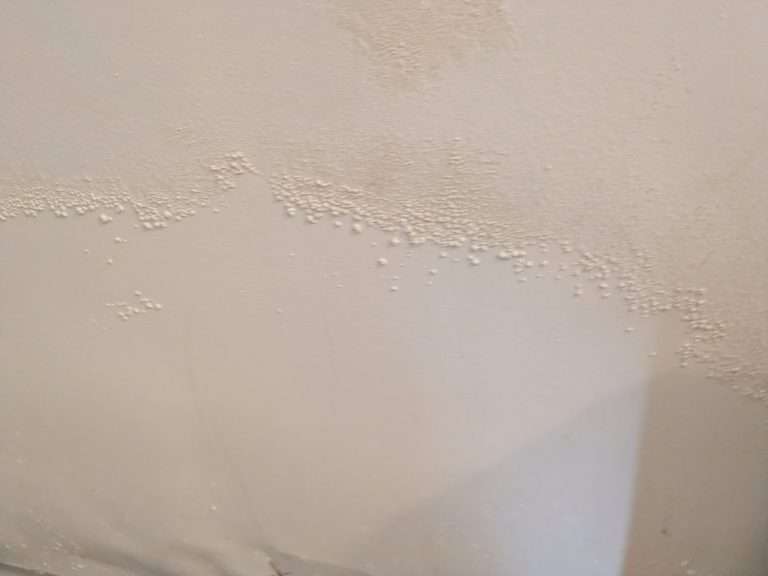
Entrance party wall, Kilburn NW6
A raised front step was bridging the DPC. The party wall was treated with a new DPC, render and set.
Read the case study →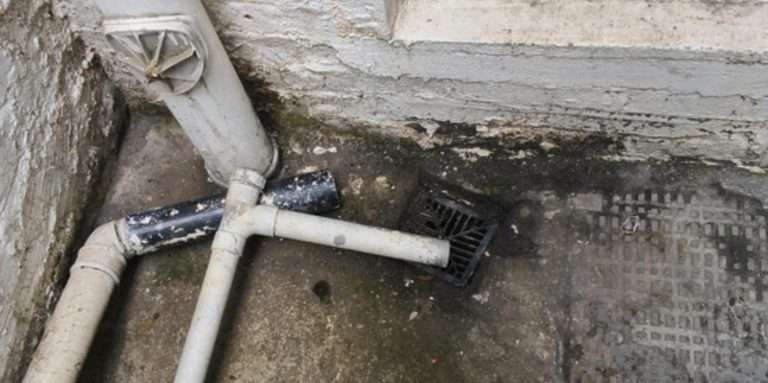
Party wall, Stockwell SW9
Rising damp in an 1870s terrace, made worse by a neighbouring courtyard drain. The drainage was put right and the wall treated with a new damp proof course.
Read the case study →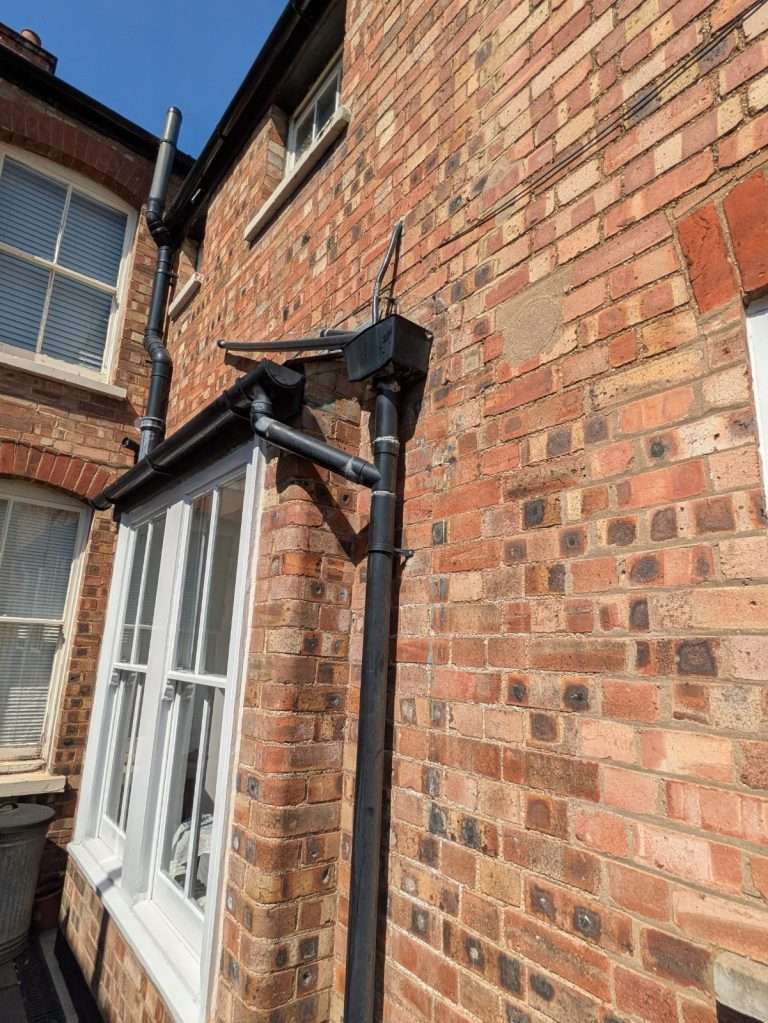
Kitchen bay, Bedford MK40
Salt contaminated plaster after years of gutter overflow. Chemical DPC and salt resistant render.
Read the case study →
Sam Fitzgerald is the founder of Advanced Damp and a working damp and structural waterproofing surveyor diagnosing and treating moisture problems in residential and commercial properties across London and the South East. He is FODCS certified (a Federation of Damp Certified Surveyor) and a member of the Federation of Damp. His hands-on work covers rising damp, penetrating damp, condensation, basement waterproofing to BS 8102, and thermal imaging surveys, and he has personally completed over 400 damp surveys across properties of every type and age. Everything he writes draws directly from jobs he has carried out. He does not write about treatments, products or causes he has not dealt with first-hand in the field.