
Damp Proofing East London
Survey-led damp proofing, waterproofing and timber treatment for homes and commercial buildings across East London (E and EC). We find the real cause of the damp before recommending any work.
Book a damp survey in East London
Non-invasive survey with a clear written report. No obligation.
Book a SurveyCall 0300 373 7251


Damp in East London properties
East London runs from the edge of the City through Shoreditch, Hoxton and Whitechapel out to Hackney, Bethnal Green, Bow and the riverside at Wapping, Limehouse and Canary Wharf. It has some of the oldest houses in London alongside converted warehouses, Victorian terraces, post war estates and brand new towers. Each of these behaves differently when it comes to damp.
Close to the Thames, Wapping, Limehouse and the Isle of Dogs sit on low ground that was once marsh and docks. River gravels and alluvium carry a water table that moves with the tide and the seasons. Basements, cellars and lower ground floors here often take on water, and older riverside buildings show more rising damp than streets on higher ground.
Further north, most of East London sits on London Clay, with patches of gravel left by the ancient Thames and the River Lea. The Regent's Canal crosses Hoxton, Haggerston and Mile End, and the Lea valley runs along the eastern edge of Hackney and Bow. Streets close to these waterways can have wetter ground than neighbouring areas.
East London has some of the capital's oldest homes. The Georgian houses of Spitalfields and parts of Hackney were built with soft bricks and lime mortar, and they need to breathe. Cement renders, plastic paints and the wrong kind of damp treatment applied in the past can trap moisture in these walls. We use breathable lime based treatments where they suit the building and flag anything that may need listed building consent.
The Victorian terraces of Hackney, Bethnal Green, Bow and Stoke Newington are where we see the most rising damp. Original slate or bitumen damp proof courses crack and are bridged by raised paths, patios and rendered plinths. Penetrating damp from bay roofs, parapets, valley gutters and chimneys is just as common. We trace every source with moisture readings and thermal imaging.
Shoreditch, Clerkenwell, Wapping and Limehouse have many warehouse and factory conversions. Old industrial walls are often very thick and mixed in construction, with no damp proof course at all, and lower floors can sit close to the water table. These buildings need treatments chosen for how they were built rather than a standard house specification.
High streets such as Mare Street, Kingsland Road, Roman Road and Commercial Road are lined with shops that have cellars below and flats above. The cellars take on water from the clay and from pavement vaults, while the flats suffer from leaking roofs, parapets and rear extensions. We survey both, and our reports make clear which repairs fall to the shop, the flat owner or the freeholder.
Condensation and black mould are the most common problems in East London flats, from Victorian conversions to post war estates and new build blocks around Canary Wharf and Stratford. Newer flats are very airtight, so moisture from cooking, bathing and drying washing has nowhere to go unless the ventilation is working properly. We check extraction and airflow as well as measuring the walls.
Landlords and managing agents make up a large share of our East London work. Damp and mould in rented homes have to be investigated promptly, and a written survey report gives a clear record of the cause and the fix. We arrange access around tenants and can survey several flats in one block on the same visit.
East London covers the boroughs of Tower Hamlets, Hackney and parts of the City and Islington, with many conservation areas. Internal damp treatments rarely need planning permission. Every survey is carried out by a CSSW and CSRT trained specialist, and you receive a written report with photos, the cause and the recommended fix.
Our services in East London
Rising damp treatment
Chemical damp proof courses and breathable replastering where the survey confirms rising damp.
Penetrating damp
Tracing and fixing water getting in through walls, roofs, gutters and windows.
Condensation and mould
Ventilation and moisture control to stop black mould coming back.
Basement waterproofing
Cavity drain membrane and tanking systems designed to BS 8102:2022.
Timber treatment
Dry rot, wet rot and woodworm diagnosis and treatment.
Damp surveys
Non-invasive survey with a clear written report. No obligation.


Signs of damp
- Tide marks or staining low on walls
- Peeling paint, bubbling plaster or white salts
- A musty smell in rooms, cupboards or cellars
- Black mould on walls, ceilings or window reveals
- Soft or decaying skirting boards and floor timbers
How we work
What our customers say
Brilliant team of damp proofers. Really polite and professional. The job was completed ahead of schedule and whilst being a very dusty job they kept everything clean and tidy throughout.Ellis W., Google review
Lionel the surveyor arrived on time and was very courteous and thorough. He discussed everything that needed doing and was able to reassure us during a very stressful time. He explained everything clearly, took the stress out of it, and sent a full report including photos. I would absolutely recommend Advanced Damp.Jo W., Trustpilot review
Sam and Jack were excellent. Before starting the work they outlined exactly what was to be done and kept us informed throughout. Professional, tidy and delivered great results.Christian M., Google review
Recent Work Near East London
Our recent work close to East London includes basement and kitchen, South Woodford E18 and living room party wall, Woodford Green IG8. Each case study sets out what the survey found and how the problem was fixed.
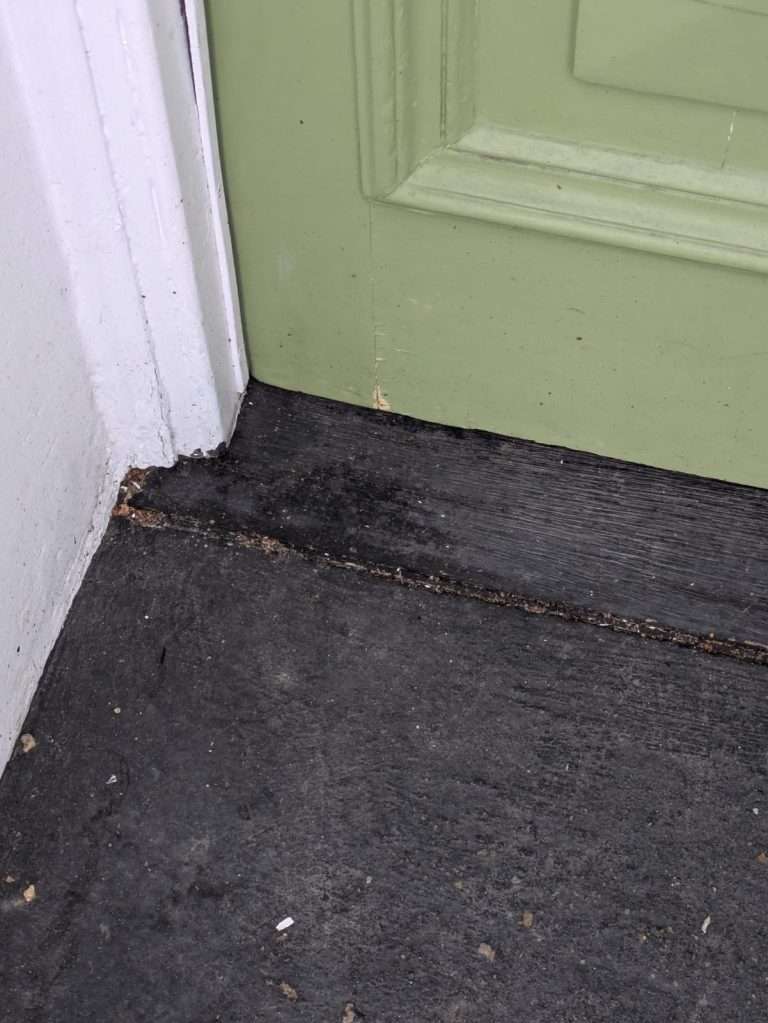
Basement and kitchen, South Woodford E18
Basement condensation, mould and half buried air bricks. Ventilation and damp proofing carried out together.
Read the case study →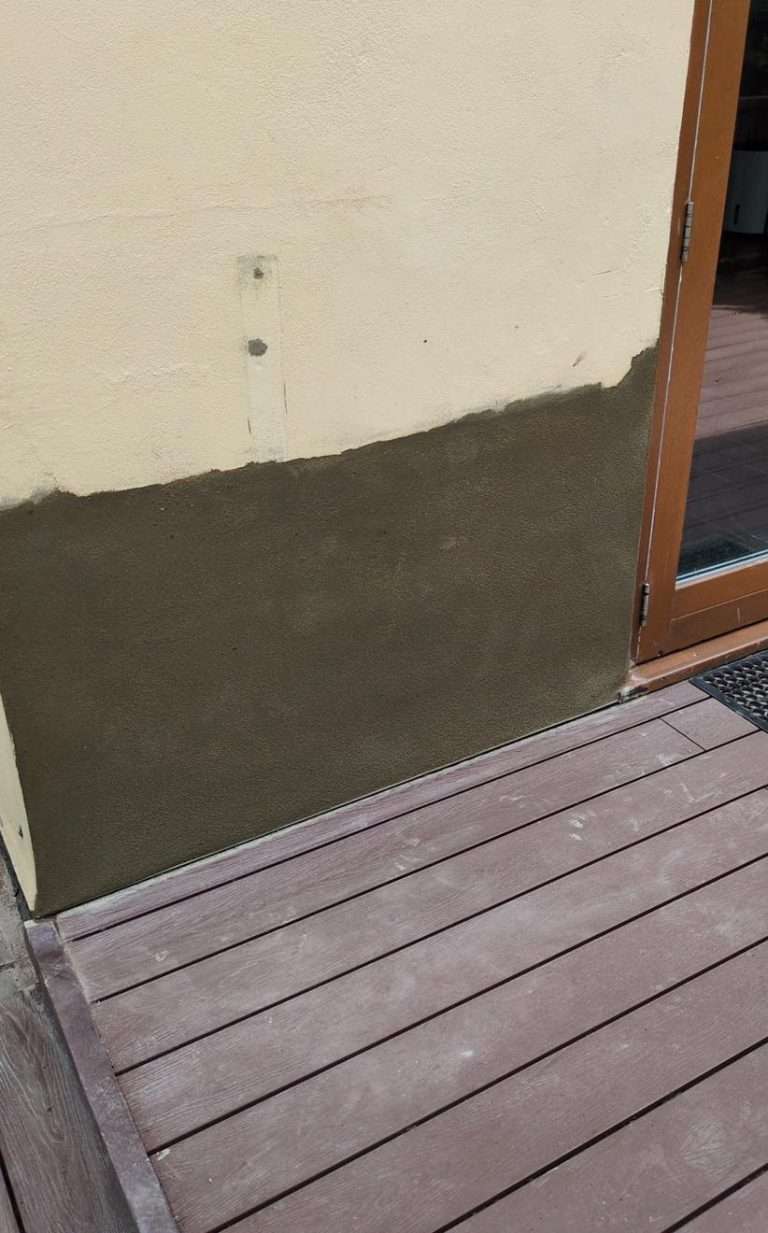
Living room party wall, Woodford Green IG8
Failed render, poor drainage and a possibly failing DPC. New DPC, drainage and external render.
Read the case study →Not sure what is causing your damp?
Damp is easy to misdiagnose. A damp survey in London by a CSSW and CSRT trained specialist finds the real cause first, so you only pay for work that fixes it. We cover East London from our London office.
Book an East London SurveyCall 0300 373 7251- 1. Book online or callPick a time that suits you.
- 2. Surveyor visitsMoisture readings, thermal imaging and a check outside.
- 3. Written reportThe cause, photos and the recommended fix, with no obligation.
Areas we cover around East London
Nearby local pages:
Hackney · Dalston · Hoxton · Shoreditch · Whitechapel · Limehouse · Tower Hill · Liverpool Street · North London · All locations
Our nearest office: 45 Fitzroy Street, London W1T 6EB. Call 0300 373 7251.
What affects the cost of damp treatment
Every property is different, so we price work after the survey with a fixed written specification. The main factors are the type and cause of the damp, how much wall or floor area is affected, whether plaster needs replacing, access, and the finishes that need reinstating.
Rising damp
A new chemical damp proof course with replastering typically starts from £500 to £800 for a small wall section.
Penetrating damp and condensation
Often the most affordable to fix once the source is found, such as gutter repairs, repointing or improved ventilation.
Basement waterproofing
Systems designed to BS 8102 typically start from £3,500 for a small cellar, depending on size and system type.
Damp proofing East London: FAQs
Do you cover all of East London?
Yes. We cover Tower Hamlets, Hackney and the City fringe, including Shoreditch, Hoxton, Whitechapel, Bethnal Green, Bow, Hackney, Dalston, Stoke Newington, Wapping, Limehouse and Canary Wharf. Most East London surveys can be booked within a few working days.
Can you treat damp in a Georgian house in Spitalfields?
Yes. Georgian houses need breathable treatments that suit soft brick and lime mortar walls, and many are listed. We use lime based plasters where appropriate and flag any work that may need listed building consent.
Why is my new build flat in Canary Wharf getting mould?
New build flats are very airtight, so moisture from cooking, bathing and drying washing builds up unless the ventilation is working well. Mould usually forms on cold corners and window reveals. We check the extraction and airflow and measure the walls to confirm the cause.
Do you work on warehouse conversions in Shoreditch and Wapping?
Yes. Converted warehouses often have thick, mixed walls with no damp proof course, and lower floors near the water table. We assess how the building was constructed and recommend treatments that suit it.
Can you survey several flats in one East London block?
Yes. For landlords and managing agents we can survey several flats in the same building on one visit, with a separate written report for each so the cause and fix are clear for every property.
Get the cause of your damp found and fixed
Non-invasive survey with a clear written report. No obligation.
Book a SurveyCall 0300 373 7251