 Proud member of the Federation of Damp


What Does Damp Smell Like? Signs to Look For
Key Takeaways:
- Distinct Damp Smell: Damp has a unique and not particularly pleasant smell that can be compared to the scent of wet wood in autumn or a damp log in the garden. It is an unmistakable aroma associated with constant surface wetness, providing an early indication of decay and the growth of fungi.
- Severity of Damp Odour: The intensity and spread of the damp smell can vary. In mild cases, the smell may be confined to a specific room or corner, requiring investigation. In extreme cases, the damp odour can permeate the entire property, indicating a more severe and widespread moisture issue.
- Airing as a Mitigation Step: Airing your home, while not a complete solution for chronic damp, can help mitigate the issue. Allowing air circulation assists in moving excess moisture outdoors, reducing the damp smell.
Damp is one of those issues that can go untreated and undetected for years, especially if DIY isn’t your strongest point.
There’s no judgements or anything like that here though folks, all we want to do is show you how you can get on top of things and put damp back in its place.
Ask any skilled tradesperson like the experts here at Advanced Damp and they’ll be able to give you a rather vivid description of what damp smells like.
But if you don’t know what to look for, and the problem has built up gradually over the course of years, you may well be desensitised to it. Let’s talk you through everything you need to know…
>> Related reading; What is The Difference Between Damp And Mould?
What Does Dampness Smell Like in Your Home?
Picture yourself strolling through a wet wood in autumn, kicking the leaves and feeling the drizzle in the air.
If you were to pick up a handful of those leaves and give them a good old sniff, you’d be smelling damp. The same is true if you have a wet log in the garden that’s been there all winter.
Give it a quick smell and you’ll be smelling damp.
It’s a very unique smell that’s not particularly pleasant, but once you know what to look for you’ll have no issues spotting it.
If you think of damp as the process by which a surface stays constantly wet, allowing fungi and other types of nasties to grow, you can think of it as the very first stages of decay.
Clearly that’s something we want to get out of your home without delay, which is why a quick call to the experts is the best way to get things moving.

What does dampness smell like in extreme cases?
Mild cases will confine the aroma of damp to a particular room, or a corner in that room, forcing you to search it out. In the more extreme cases we’ve encountered over the years the smell will be right throughout the property and far more intense than those forest floor leaves.
Again, no judgements here folks, just simple, honest advice designed to help you put things right without delay.
We’ve also seen plenty of cases where the damp has reached a point where the property feels rather humid inside, even when the weather is hot and dry outdoors.
This indicates that there is so much excess moisture that the air itself has become oversaturated. In cases like these there’s simply no substitute for connecting with an expert without delay.
Reading Related >> How to get rid of damp basement smell.
What does dampness smell like after airing your home?
If you have chronic damp then simply airing your home for a single afternoon is not going to solve the problem, but it will help reverse the slide.
Allowing the air to circulate will help plenty of that excess moisture to go outdoors where it belongs so it’s well away from your plaster and brickwork.
The more you air your property, the more moisture you will be removing from your home. At first there will be little to no change in the smell because so much of that excess water is firmly embedded in your walls and other surfaces.
It would be nice if it all drifted out of the window at an even rate, but it’s the moisture which is freely circulating in the air which is first to go.
And because it hasn’t been absorbed yet, there’s little or no organic growth in those droplets of water; but it’s a great start.
>> Related reading; Will A Dehumidifier Remove Damp? Are They Effective?
What does dampness smell like after professional treatment?
Once a course of professional anti-damp treatment has been applied to your home, there should be a greatly reduced aroma of damp.
In extreme cases it will take several weeks for the smell to completely dissipate because of the degree to which the damp has taken hold of the property. Clothing, furniture, curtains; they all suck up water moisture and take time to emit it again.
Hiring a team of experts like the pros here at Advanced Damp is the best way to make sure that you get your walls and surfaces in the right condition before decorating.
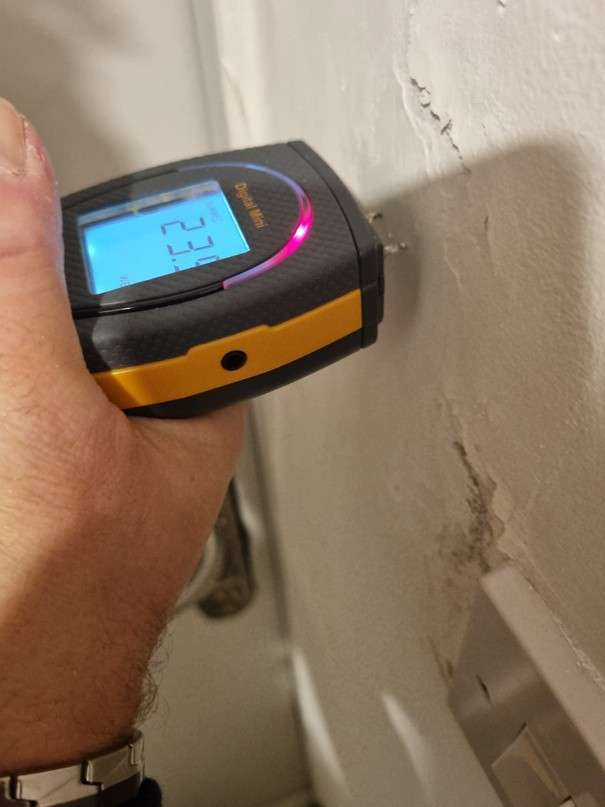
Our skilled team will use damp meters to check the quality of the treatment that has been applied and will be able to advise on approximate timelines for completion.
We can also help with a few tricks of the trade like opening all the windows first thing in the morning and putting in an extra electric heater in the rooms hardest hit by the damp.
This will effectively boil the unwanted water out of your walls, allowing the increased air circulation to then carry it outside.
If you’re unsure about what to do and who to approach to solve your damp issues, a quick call to our expert team is the perfect place to start.
We’ll come out, take a look, and then talk you through everything you need to know. Job done!
Frequently asked questions
What does damp smell like?
Damp usually smells musty and earthy, a bit like wet cardboard or old books. The smell comes from mould and bacteria growing on damp surfaces.
Can you smell damp before you see it?
Yes. A musty smell is often the first sign, particularly in cupboards, under floors, behind furniture and in basements, before any visible staining appears.
How do I get rid of a damp smell?
Find and dry out the source of moisture, clean any mould, and improve ventilation. Air fresheners only mask the smell while the problem continues.
Reviewed by Michael Young, Head Contractor at Advanced Damp (CSSW and FODCS). Last reviewed November 2026.
Related Case Studies
Our recent work includes first floor flat, Brixton SW9; flat entrance hall, Marlow SL7 and house, Surbiton KT5. Each case study sets out what the survey found and how the problem was fixed.
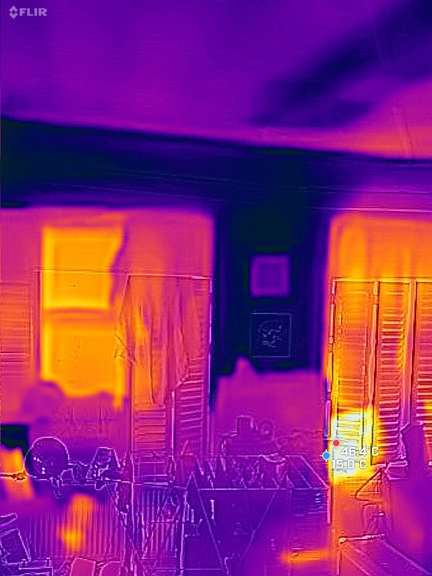
First floor flat, Brixton SW9
Thermal imaging found cold external walls behind recurring black mould. Isotherm insulation and electrical works followed.
Read the case study →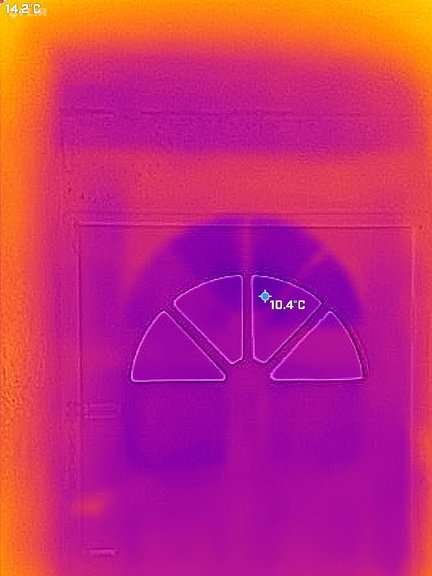
Flat entrance hall, Marlow SL7
Mould from thermal bridging at the door and intermittent heating, not rising damp. Mould wash and fillet seal.
Read the case study →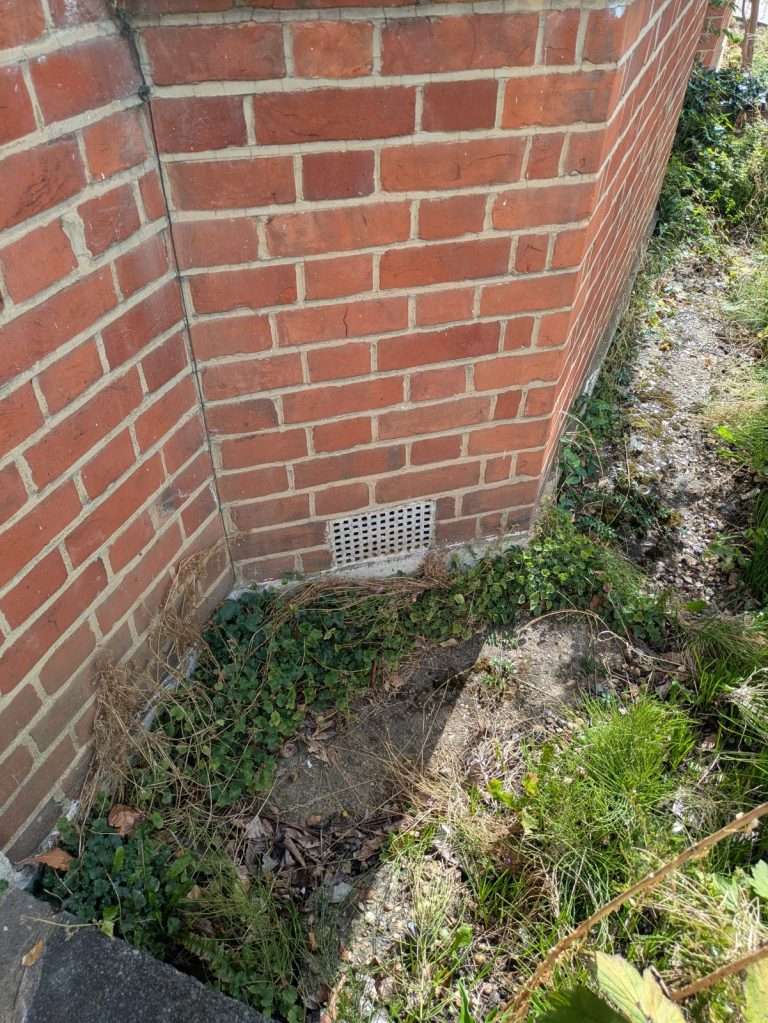
House, Surbiton KT5
No active rising damp. Blocked air bricks replaced and extraction proposed to deal with condensation.
Read the case study →
Sam Fitzgerald is the founder of Advanced Damp and a working damp and structural waterproofing surveyor diagnosing and treating moisture problems in residential and commercial properties across London and the South East. He is FODCS certified (a Federation of Damp Certified Surveyor) and a member of the Federation of Damp. His hands-on work covers rising damp, penetrating damp, condensation, basement waterproofing to BS 8102, and thermal imaging surveys, and he has personally completed over 400 damp surveys across properties of every type and age. Everything he writes draws directly from jobs he has carried out. He does not write about treatments, products or causes he has not dealt with first-hand in the field.