 Proud member of the Federation of Damp


How to Treat Condensation on Walls
Key Takeaways:
- Understanding the Causes of Condensation on Walls: Condensation on walls occurs when warm indoor air meets colder surfaces, causing water vapour to transform into droplets. The guide highlights the impact of poorly insulated internal walls, the dew point, and the interplay between cold surfaces.
- Preventing Condensation by Reducing Moisture Levels: Managing moisture levels in the home is crucial to combat condensation. The guide recommends enhancing air circulation through methods such as opening windows, using extractor fans, and integrating trickle vents.
- Addressing Stubborn Condensation with Additional Measures: In cases of persistent condensation, the guide suggests additional measures to improve air quality, including installing air bricks for ventilation, treating cavity walls to prevent condensation and water seepage, and opening windows daily.
Introduction
Are you dealing with persistent wall condensation? The frustration of finding moisture build-up or mould creeping onto your walls isn’t uncommon. You’re not alone in this. Wall condensation poses problems when left unattended. This guide dives into the root causes behind this issue and offers actionable advice on prevention and treatment. Understanding the interplay between warm air and moisture, exploring remedies like anti-condensation paint, and emphasising the importance of good ventilation, all these tactics can bid farewell to those pesky water droplets for good!
Understanding the Causes of Condensation on Walls: Cold Surface and Moist Air
Condensation, a common woe in colder seasons, emerges when warm indoor air meets chilly surfaces like walls, triggering water vapour to transform into droplets. This guideline uncovers the reasons behind wall condensation and preventive measures.
The Formation
Condensation arises when warm indoor air, hitting colder surfaces, reaches the dew point, the temperature prompting vapour to liquid transition. Poorly insulated internal walls, exposed to external cold, are particularly prone to wall condensation.
Causes
Cold Surfaces: Surfaces cooler than ambient air, like windows or poorly insulated spots, catalyse condensation by cooling incoming warm air to cold surfaces, causing moisture to condense.
Moist Air: Daily cooking, bathing, and breathing elevate indoor moisture levels. Excess moisture condenses when this warm, moist air meets cold surfaces, leading to dampness.

Reducing Moisture Levels in Your Home to Prevent Condensation
Condensation poses a familiar challenge for homeowners, particularly in the chillier seasons. When the cosy warmth indoors meets colder surfaces like walls or ceilings, pesky water droplets form, leading to potential problems like dampness, mould, and even structural damage within your walls. To combat these issues head-on, managing moisture levels in warm air inside your living space and proactively preventing condensation from taking shape is crucial.
Enhancing Air Circulation
Enhancing the airflow within your dwelling stands as a highly efficient strategy to diminish condensation issues. It can be achieved by opening windows, incorporating extractor fans in bathrooms and kitchens, and integrating trickle vents within window frames. Ensuring ample ventilation eliminates damp air and moisture from your living space, thwarting their accumulation on colder surfaces and the subsequent condensation.
Maintaining Steady Indoor Temperatures
Sustaining a consistent indoor temperature across your residence holds key significance in curbing condensation. Warmer air can hold more moisture than cooler air. Keeping warm air holds a consistent temperature and helps prevent moisture from being released when warm air comes into contact with cold surfaces. Implementing loft insulation, thermal barriers, or double-glazed insulation significantly upholds consistent indoor temperatures.
Curbing Moisture from Daily Activities
Effectively mitigating condensation involves minimising the moisture produced through daily routines. It may encompass air-drying clothes outdoors rather than relying solely on dry clothes on tumble dryers, employing lid covers while cooking, and activating extractor fans during bathing or showering. These uncomplicated measures are pivotal in reducing indoor moisture levels and impeding its accumulation on cold surfaces.
Addressing Stubborn Condensation
In instances where persistent condensation persists despite employing the steps above, additional measures prove beneficial in combating the issue. Improving your home’s air quality can involve various steps. Consider installing air bricks to boost ventilation, treating cavity walls to further stop condensation and water seepage, or just opening windows daily to let in fresh air. These methods can significantly enhance the air circulation in your living space.
Check out What causes condensation & 7 tips to prevent it.

How to Treat Condensation on Walls with Anti-Condensation Paint
Dampness and condensation often haunt households with solid walls, especially in colder seasons when surfaces turn chilly, inviting lingering dampness. This moisture buildup marshes walls and ceilings and breeds mould and related woes. However, countering this common woe of internal wall condensation is entirely feasible with preventive measures.
Enhance Ventilation
Revamping ventilation stands as a potent solution to combat condensation. A simple stride involves regular window airing, complemented by an extractor fan, fans in key zones like kitchens and bathrooms, and the installation of trickle vents on windows. Maintaining airflow is paramount during activities like cooking, bathing, or laundry.

Boost Indoor Temperatures
Condensation emerges when warm, moisture-rich air collides with cooler surfaces and cold walls. Raising indoor temperatures significantly diminishes the chances of chilling spots forming on walls and surfaces. Utilise central heating or position portable heaters strategically to uphold a consistently warm environment.
Utilise Anti-Condensation Paint
A revolutionary solution in combating condensation, anti-condensation paint functions as a protective barrier on walls, preventing excessive cooling and the associated condensation threat. Its supplementary fungicidal attributes discourage mould growth and amplify its effectiveness in tackling condensation and moisture-related issues.
Insulate Your Abode
Home insulation, especially in cavity walls and double-glazed windows, proves pivotal in preserving surface warmth, thus diminishing condensation risk. Attic insulation and air bricks further improve ventilation and airflow management, countering condensation buildup.

How to Keep Warm Air Circulating to Prevent Condensation
Condensation emerges when warm, moist air connects with colder surfaces, prompting the conversion of water vapour into tiny liquid droplets. This phenomenon frequently gives rise to problems like dampness, mould growth, and structural deterioration in walls and ceilings. Preventing condensation involves ensuring adequate airflow and avoiding the collision of warm, humid air with cold surfaces. This comprehensive guide delves into practical methods to boost ventilation and reduce condensation levels in your home.
Here’s a unique take on understanding the dew point and addressing condensation issues:
Exploring the Dew Point
The dew point temperature represents the pivotal moment when moisture in the air transforms into liquid form through condensation. Water vapour condenses on various surfaces when the temperature drops below this point. The interplay between indoor temperature, humidity, and airflow significantly influences this process. Managing these elements becomes crucial in preventing condensation and maintaining a comfortable indoor environment.
Optimising Air Circulation
Efficient ventilation within your living space stands as a primary weapon against condensation. Installing tools like trickle vents, air bricks, or extractor fans encourages fresh air circulation, curbing moisture accumulation. Good ventilation not only thwarts mould and dampness but also plays a key role in controlling condensation.
Addressing External Wall Challenges
External walls, especially those lacking proper insulation or made from materials with low heat conductivity, are susceptible to condensation. Insulating cavity walls or choosing double-glazing options can combat condensation on these surfaces. Additionally, establishing a thermal barrier between exterior walls and interior spaces through wall lining or cavity wall insulation effectively reduces moisture.
Combatting Condensation on Interior Walls
Excessive moisture within the house can lead to condensation forming on internal walls. Identifying sources of excess moisture, such as activities like showering, cooking, or indoor wet clothes for drying, becomes crucial. Lowering humidity levels and enhancing ventilation are vital in preventing condensation buildup on interior walls.
Mitigating Cold Spots
Cold spots within your home are prime locations for condensation formation. These spots may arise due to inadequate insulation or drafty windows and doors. Address these concerns by improving insulation or installing draft excluders on windows and doors to mitigate cold spots, thereby reducing the likelihood of condensation.

Maintaining Your Home’s Ventilation to Allow Warm, Dry Air to Replace Moist Air
Condensation, an unwelcome woe in many homes, arises when warm, moist air meets cooler surfaces, birthing water droplets that invite mould growth, mould, and mildew. It not only jeopardises your home’s structure but also poses health risks. Thus, proactive measures are vital.
To combat condensation:
1. Optimize Airflow: Open doors and windows for fresh air circulation. Fans aid air movement, preventing stagnant pockets.
2. Monitor Humidity: Maintain 30-50% humidity. A hygrometer helps track levels; a dehumidifier removes excess moisture.
3. Enhance Insulation: Proper insulation maintains consistent temperatures, curbs condensation, and improves energy efficiency.
4. Deploy Vapor Barriers: These barriers shield surfaces from direct contact with moist air, especially in moisture-prone areas like bathrooms, thwarting water droplet formation.
Addressing a condensation problem through these strategies safeguards your home and family from its damaging effects.
Learn more about Fixing damp and condensation.

The Bottom Line
In conclusion, panic is unnecessary if you struggle with condensation on your walls. You can effectively prevent and treat this common issue by taking simple steps. Remember to address the root causes of condensation by understanding the role of warm air and moisture. Utilise tools such as anti-condensation paint or ensure adequate ventilation in your home.
Additionally, be mindful of other factors contributing to excess moisture, such as using a tumble dryer inside or having cold surfaces that act as a thermal barrier. For those with concrete floors, damp-proofing methods such as installing a damp-proof membrane or epoxy resin coating can make all the difference. Don’t let condensation on internal walls and ceilings lead to dampness and mould growth. With these tips and techniques, you can say goodbye to pesky water droplets once and for all! We hope this guideline has provided valuable information and solutions for treating condensation on walls so that you can enjoy a dry and comfortable living space. Take action now to prevent further damage and maintain a healthy home environment for yourself and your family.
For persistent condensation and mould, see our condensation and mould treatment service, or book a damp survey.
Frequently asked questions
How do I stop condensation on my walls?
Reduce the moisture you produce, extract it at source in kitchens and bathrooms, keep rooms evenly heated, and make sure air can circulate behind furniture on external walls.
Does insulation help with condensation?
Yes, warmer wall surfaces are less likely to attract condensation. Insulation must be installed correctly, though, or it can create cold spots where condensation concentrates.
What is positive input ventilation?
A PIV unit gently pushes filtered air into the home from the loft or outside, displacing moist air. It can be very effective for whole house condensation problems.
Reviewed by Michael Young, Head Contractor at Advanced Damp (CSSW and FODCS). Last reviewed November 2026.
Related Case Studies
Our recent work includes first floor flat, Brixton SW9; flat entrance hall, Marlow SL7 and house, Surbiton KT5. Each case study sets out what the survey found and how the problem was fixed.
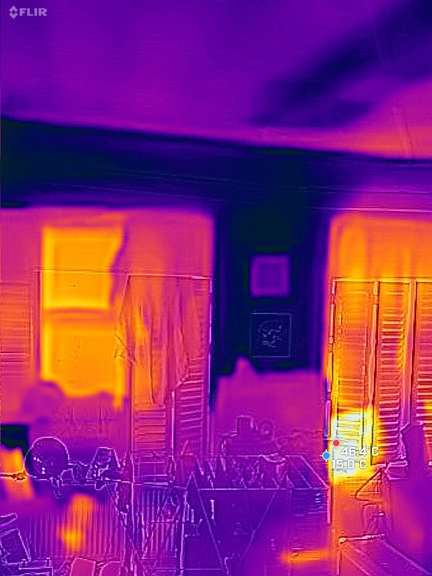
First floor flat, Brixton SW9
Thermal imaging found cold external walls behind recurring black mould. Isotherm insulation and electrical works followed.
Read the case study →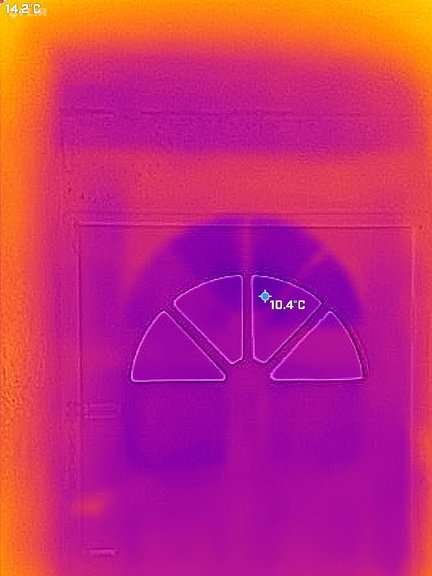
Flat entrance hall, Marlow SL7
Mould from thermal bridging at the door and intermittent heating, not rising damp. Mould wash and fillet seal.
Read the case study →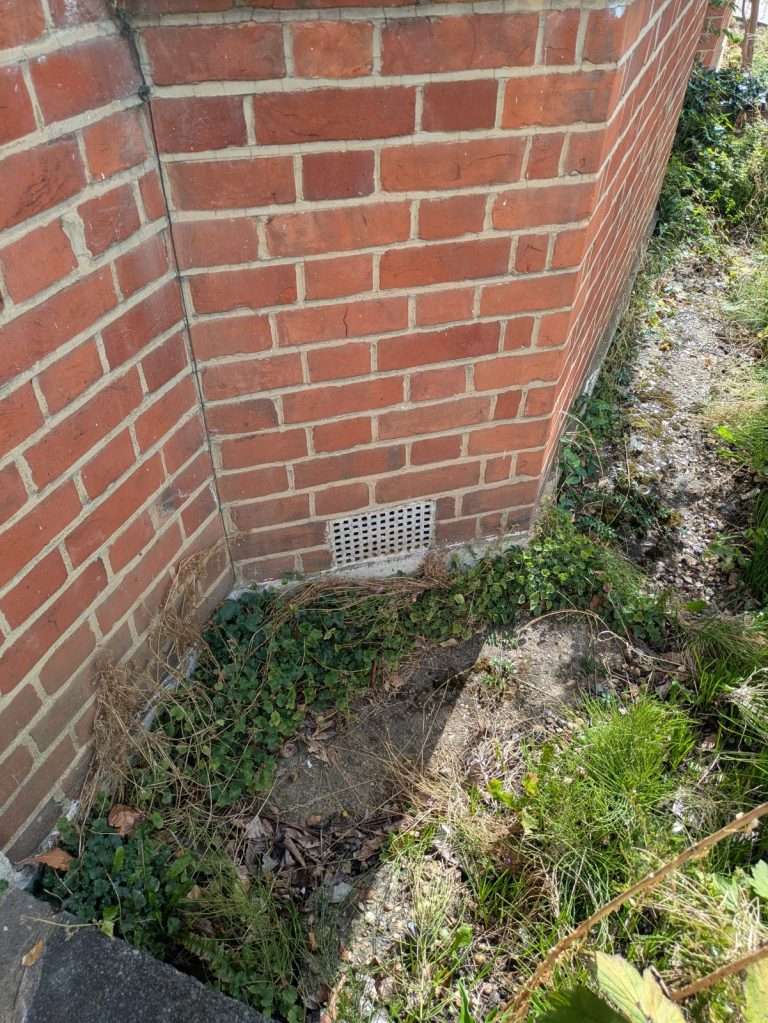
House, Surbiton KT5
No active rising damp. Blocked air bricks replaced and extraction proposed to deal with condensation.
Read the case study →
Sam Fitzgerald is the founder of Advanced Damp and a working damp and structural waterproofing surveyor diagnosing and treating moisture problems in residential and commercial properties across London and the South East. He is FODCS certified (a Federation of Damp Certified Surveyor) and a member of the Federation of Damp. His hands-on work covers rising damp, penetrating damp, condensation, basement waterproofing to BS 8102, and thermal imaging surveys, and he has personally completed over 400 damp surveys across properties of every type and age. Everything he writes draws directly from jobs he has carried out. He does not write about treatments, products or causes he has not dealt with first-hand in the field.