 Proud member of the Federation of Damp

Structural Waterproofing Contractors
Structural waterproofing is essential where basements, cellars and below ground structures need reliable protection against water ingress. The right system does more than deal with visible moisture. It helps manage risk at the structural level and supports the long term performance of the building.
At Advanced Damp, we provide assessment led structural waterproofing for residential and commercial projects across London and the South East, designed and surveyed by CSSW and CSRT trained surveyors.
CSSW and CSRT Trained Surveyors
Structural waterproofing surveys carried out by Certificated Surveyors in Structural Waterproofing.
Long-Term Guarantees
Written long-term guarantee on all new waterproofing installations carried out by our team.
Newton Approved Installer
CHAS accredited contractors. Fully insured for residential and commercial projects.
Fixed-Price Quotations
Written specification and fixed costs following your survey.
What Structural Waterproofing Means
Structural waterproofing is the process of protecting a building or below ground structure from water ingress using systems suited to the form of construction, the level of risk, and the intended use of the space.
This is not the same as general damp proofing. Structural waterproofing is used where the consequences of water ingress are more serious and where the wrong specification can lead to repeated failure, disruption, and expensive remedial work.
It is commonly used for basements, cellars, retaining structures, lower ground rooms, commercial below ground spaces, plant areas, and other parts of a building that require a more robust waterproofing strategy.


Structural Waterproofing Contractors for Basements and Below-Ground Structures
Choosing the right structural waterproofing contractors matters. The success of any below-ground waterproofing system depends on proper assessment, the right design logic, suitable materials, and installation methods that fit the structure.
At Advanced Damp, we approach structural waterproofing as a technical service rather than a generic treatment. We look at the building as a whole, consider the water risk, and recommend the most suitable route based on the construction and the intended use of the space.
Whether the project involves a basement conversion, a new build structure, a commercial lower ground space, or remedial works to an existing waterproofing system, the aim is the same: a reliable and properly considered waterproofing solution.
Our Assessment Led Approach
Every structural waterproofing project begins with assessment. We do not recommend waterproofing works without first understanding the structure, the level of risk, and the performance required from the finished space. This helps avoid incorrect system selection, unnecessary work, and short term repairs that fail later.
Our assessment considers:
- ✓ The type and condition of the structure
- ✓ The extent of any existing water ingress
- ✓ Whether the project is remedial or part of a new build
- ✓ The intended use of the below ground space
- ✓ Risk factors affecting long term performance
- ✓ The most suitable form of protection based on the building
This approach gives clients a clearer basis for decision making and helps ensure the waterproofing system fits the project rather than forcing the project to fit the system.
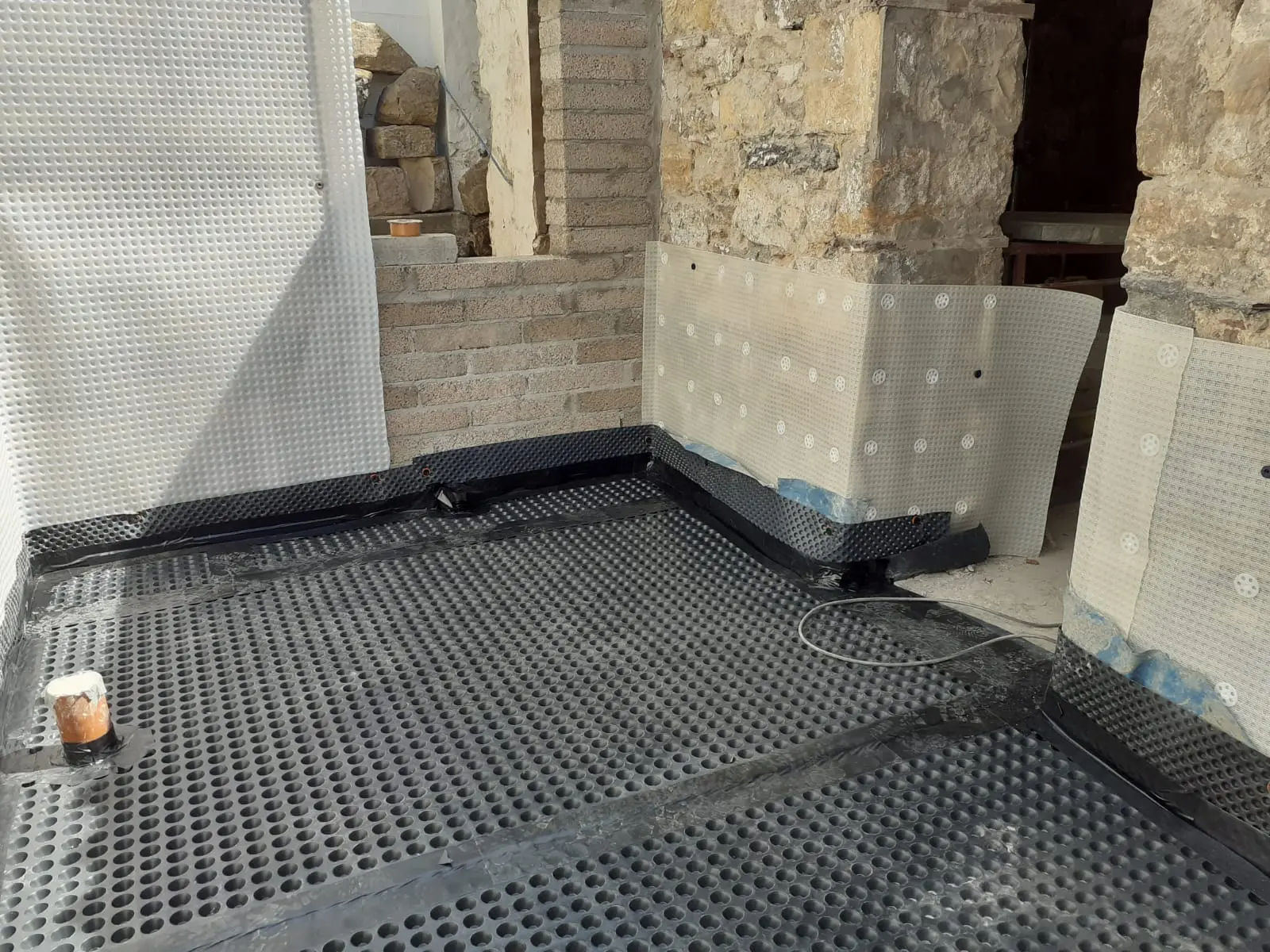
Cavity drain membrane installation on a below-ground structure
Structural Waterproofing Systems We Specify
There is no single structural waterproofing solution that suits every building. The correct approach depends on the structure, the site conditions, and the level of protection required.
Barrier Protection
Type A systems create a barrier to resist water penetration. These are often used where internal or external waterproofing is needed to help prevent moisture entering the structure.
Integral Waterproofing
Type B waterproofing forms part of the structure itself. This approach is commonly used in new build concrete construction where the structure is designed to resist water ingress.
Drained Protection Systems
Type C systems manage water through a controlled cavity and direct it safely away through drainage and pumping arrangements. Widely used in basement waterproofing and remedial projects where effective water management is critical.
In many situations, combined protection offers the most suitable result. The right choice depends on the building and the level of risk, not on a one size fits all approach.


Recent Basement Case Studies
Our recent basement waterproofing work includes new basement, Fulham SW6; vault to dry pantry, Canonbury N1 and basement bedroom, Notting Hill W11. Each case study sets out what the survey found and how the problem was fixed.
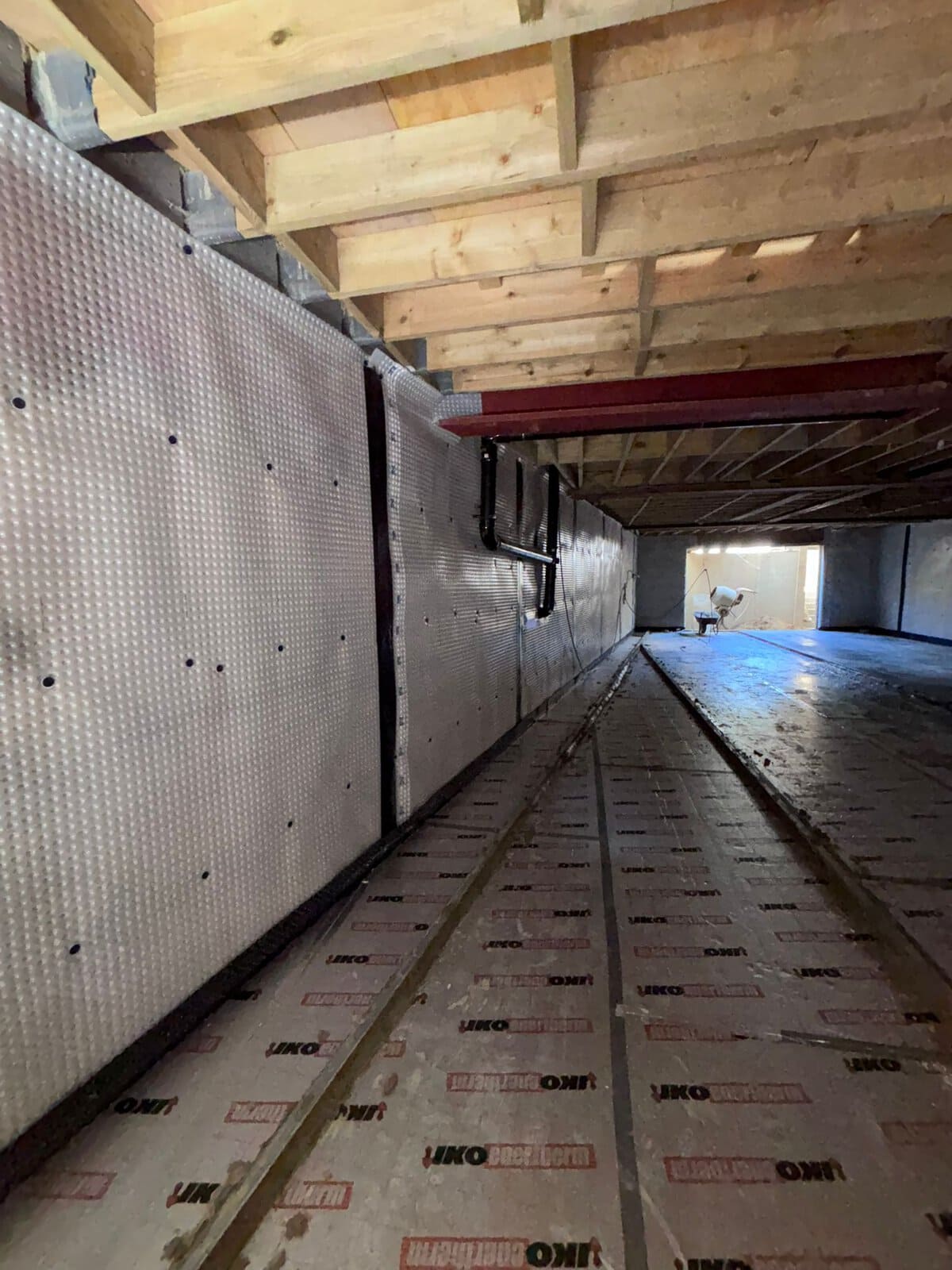
New basement, Fulham SW6
A Type C cavity drain membrane system installed to a newly built lower ground floor, designed to BS 8102:2022 for a Grade 3 dry, habitable space.
Read the case study →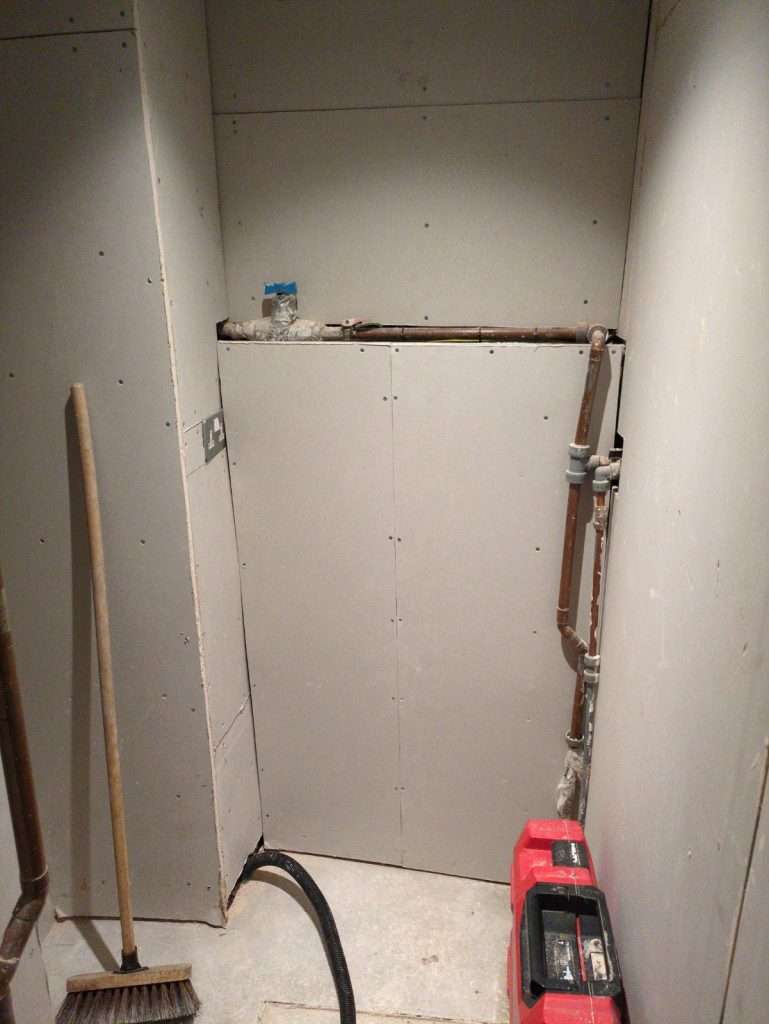
Vault to dry pantry, Canonbury N1
An unprotected lower ground floor vault waterproofed with a Type C cavity drain membrane, perimeter drainage and a dual pump sump, ready to use as a pantry.
Read the case study →
Basement bedroom, Notting Hill W11
Rising damp on two walls and damp below the stairs, treated with DPC, tanking slurry and waterproof render.
Read the case study →Frequently Asked Questions
What is structural waterproofing?
Structural waterproofing is the protection of a building or below ground structure against water ingress using systems designed to suit the structure, the level of risk, and the intended use of the space.
What is the difference between damp proofing and structural waterproofing?
Damp proofing is a broader term often used for general moisture control. Structural waterproofing is more specific and is used where basements, cellars, and below ground structures need a more carefully considered waterproofing strategy.
Do I need tanking or a cavity drain membrane?
That depends on the structure, the water risk, and the required performance. An assessment is needed to determine whether Type A, Type B, Type C, or a combined approach is most suitable.
Is structural waterproofing only for basements?
No. It is commonly used for basements and cellars, but it can also apply to retaining structures, lower ground rooms, plant areas, and other below ground spaces.
Do you work on commercial projects?
Yes. We provide structural waterproofing for both residential and commercial buildings.
Are you structural waterproofing contractors?
Yes. We carry out structural waterproofing works for residential and commercial projects, with an approach based on proper assessment and suitable system selection by CSSW and CSRT trained surveyors.
Related Waterproofing Services
Request a Waterproofing Assessment
If you need structural waterproofing for a basement, cellar, new build, refurbishment, or below ground commercial space, we can help. Speak to a specialist about your project today.
Accredited & Trusted